Welcome to Good Market Info!
Click the logo to return to the Good Market app
Welcome to Good Market Info! Click the logo to return to the Good Market global app.
Welcome to the 82 social enterprises, cooperatives, responsible businesses, civic organizations, and networks that became Good Market approved in November 2025! This month’s roundup includes new members from Ecuador, Colombia, the United States, South Africa, Madagascar, Zambia, Rwanda, Kenya, Ethiopia, Cameroon, Nigeria, Ghana, Scotland, England, Lithuania, Austria, Greece, Türkiye, India, Sri Lanka, Cambodia, Taiwan, and Australia. You can see half of them below. Part 1 is here. More than 4,955 enterprises across 125 countries are now part of the Good Market commons.
Accra, Ghana
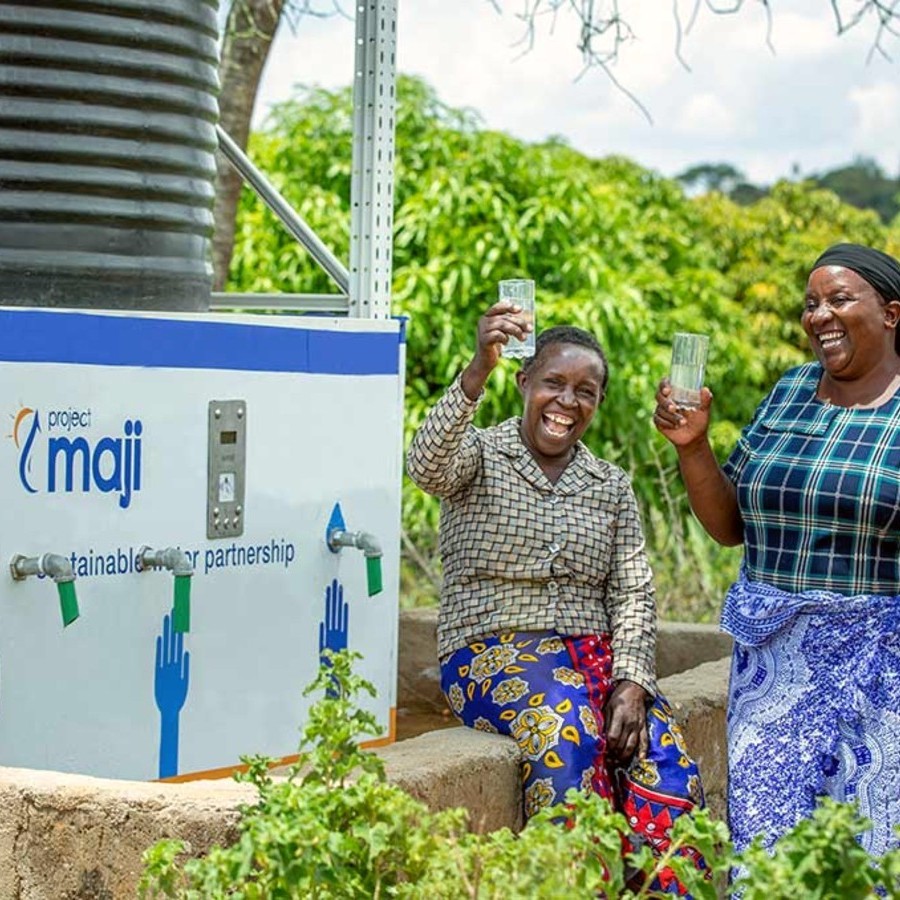
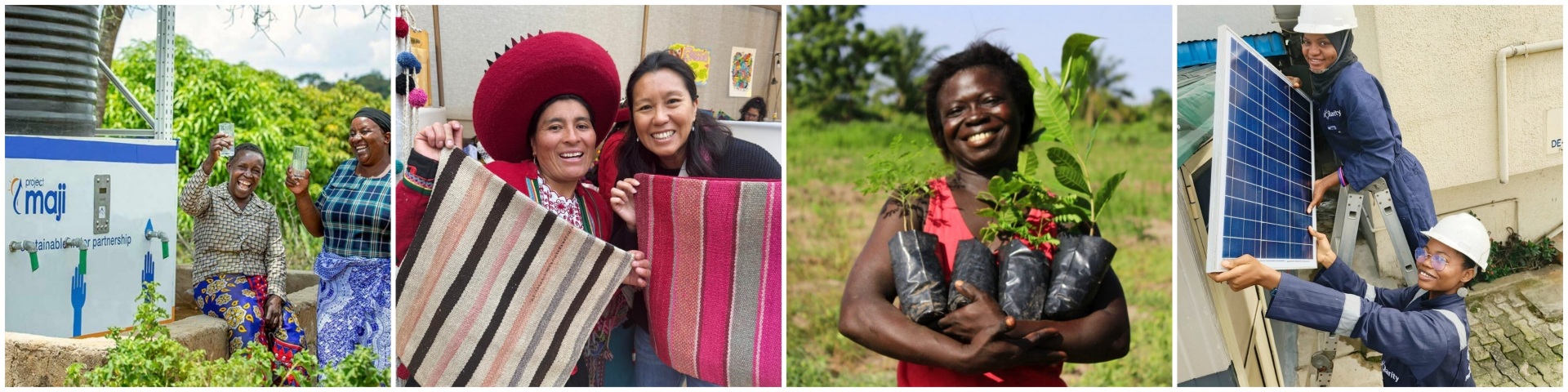
Project Maji designs and develops solar-powered water solutions to accelerate sustainable access to clean and safe drinking water across Sub-Saharan Africa. They offer solar-powered borehole pumps and build, operate, and maintain water kiosks in rural areas, growth centers, and other water-poor communities overlooked by governments and larger nongovernmental organizations. Maji systems are designed to be self-sustaining after the initial capital investment is made. The kiosks have built-in water treatment features to ensure good taste and remote monitoring systems to ensure reliability and rapid repairs. A modest charge is collected through an automated e-payment system to cover operating expenses, technical support, and a reserve fund for long-term repairs. The price is agreed on by the community through an inclusive consultation process.
Wien, Austria
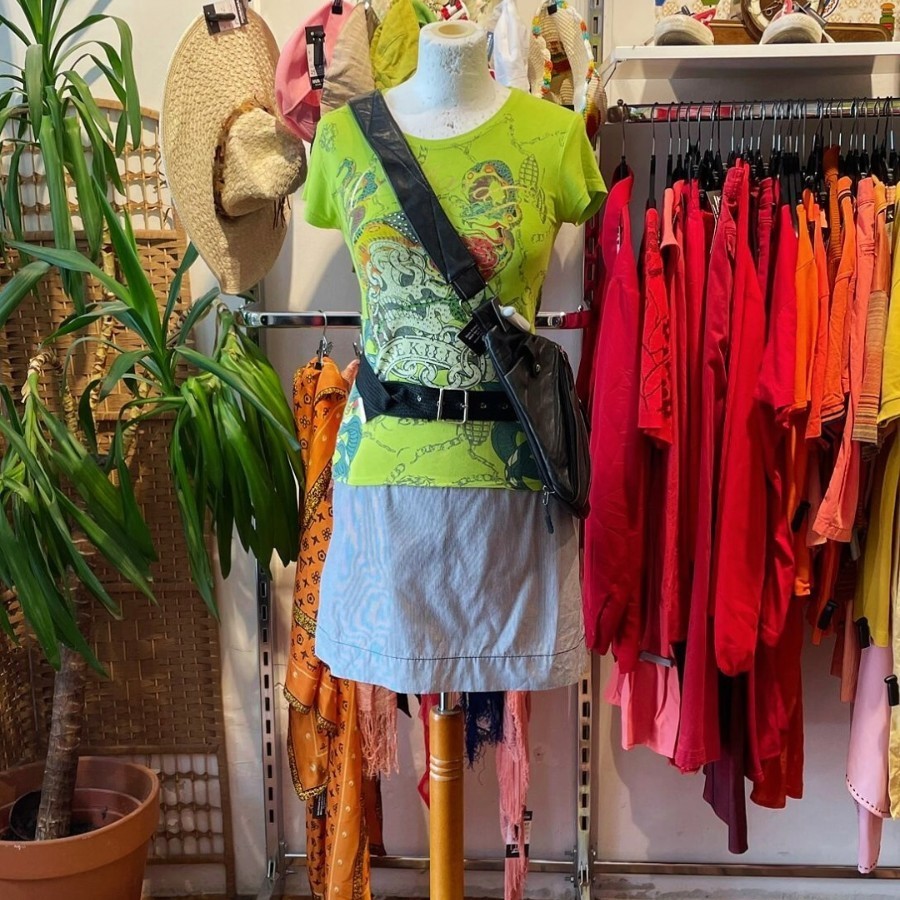
HUMANA People to People Austria has been contributing to the circularity of clothing in Austria and supporting development projects in Africa and Asia since 1986. They collect donated clothing, shoes, bags, and other accessories, sort by season, quality, and trends, resell at affordable prices in their vintage and secondhand shops, and use the proceeds to fund education, health, climate-resilient agriculture, village development, and other partner projects. They also donate store vouchers and clothing to people in need in Austria. By giving used clothes a new life, HUMANA People to People Austria diverts textile waste from landfills, conserves resources, and reduces the carbon emissions, water consumption, and land use associated with the production of new clothing. They are recognized as a Verified Social Enterprise by the Federal Ministry for Economic Affairs, Energy and Tourism. HUMANA People to People Austria is a member of the global Humana People to People network and Circular Economy Forum Austria.
Lagos, Nigeria
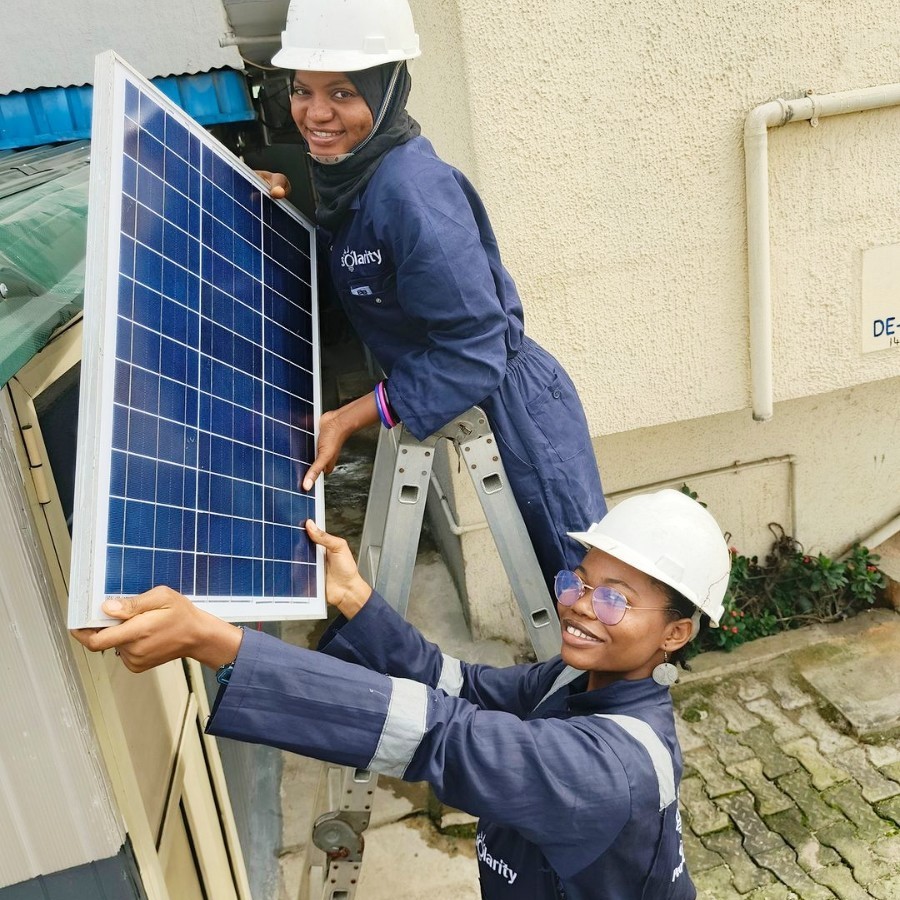
Solarity bridges the energy access gap by providing solar products to underserved rural communities. They offer solar home lighting systems, appliances, lanterns, and freezers for households, small businesses, and community institutions. The solar energy systems replace costly diesel and petrol generators in off-grid or low-power areas, and reduce greenhouse gas emissions. Solarity leverages pay-as-you-go models, microfinance partnerships, and community-based distribution to ensure renewable energy solutions are both accessible and affordable.
Galiwinku, Northern Territory, Australia
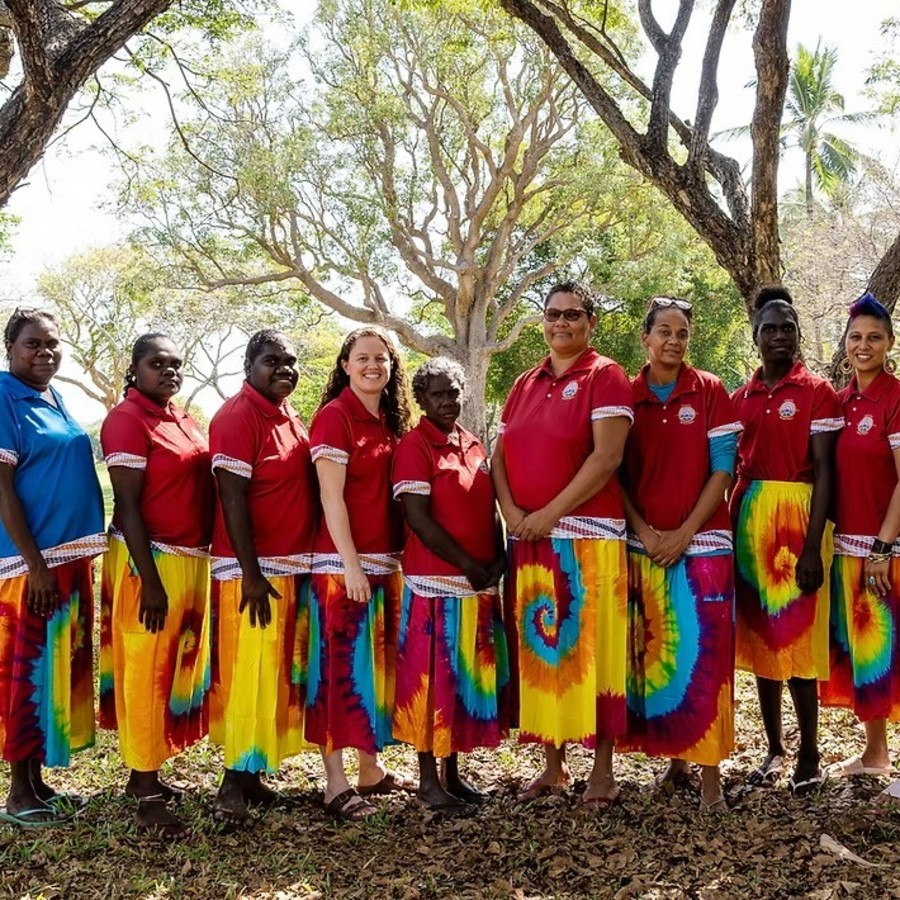
Galiwin’ku Women’s Space empowers Yolŋu women and families on Elcho Island in the Northern Territory of Australia through healing, connection, and cultural strength. They combine Yolŋu and Balanda laws and cultural processes to protect women and children from domestic and family violence through early intervention, crisis accommodation, rehabilitation, and community education. Their Sistagirls program combats domestic, family, and sexual violence against the LGBTQIA+ community in Galiwin’ku and surrounding homelands. Galiwin’ku Women’s Space provides a safe place for women to gather, share, and lead community-driven wellbeing, social, and cultural activities that build confidence, safety, and hope for the future. They are a member of Impact North and Social Enterprise Australia.
Mampong, Ghana
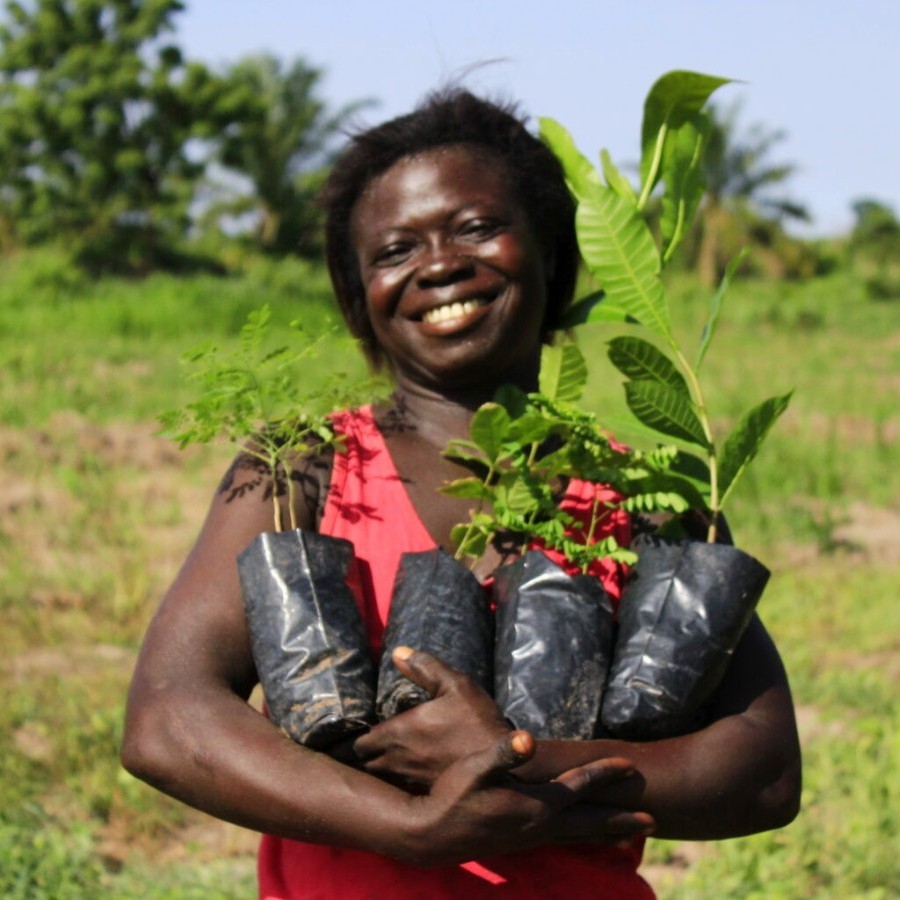
Oko Forests regenerates degraded landscapes in Ghana through community-led agroforestry and sustainable land management, creating long-term ecological health, economic opportunity, and climate benefits for rural households. Their carbon offset projects are based on a community co-investment model that includes long-term land access agreements with traditional authorities and transparent benefit-sharing mechanisms with farmers and local communities. Oko Forests supplies locally made biochar fertilizers, neem-based crop protectors, and other organic inputs, unlocks carbon financing through community-led agroforestry and soil restoration projects, and provides guaranteed market access for honey, biochar, organic inputs, and other products. By aligning incentives, they eliminate traditional risk and ensure the distribution of carbon revenue to local shareholders. Oko Forest carbon projects are developed under the Plan Vivo Standard certification system for community-led ecosystem restoration and sustainable land use.
Addis Ababa, Ethiopia
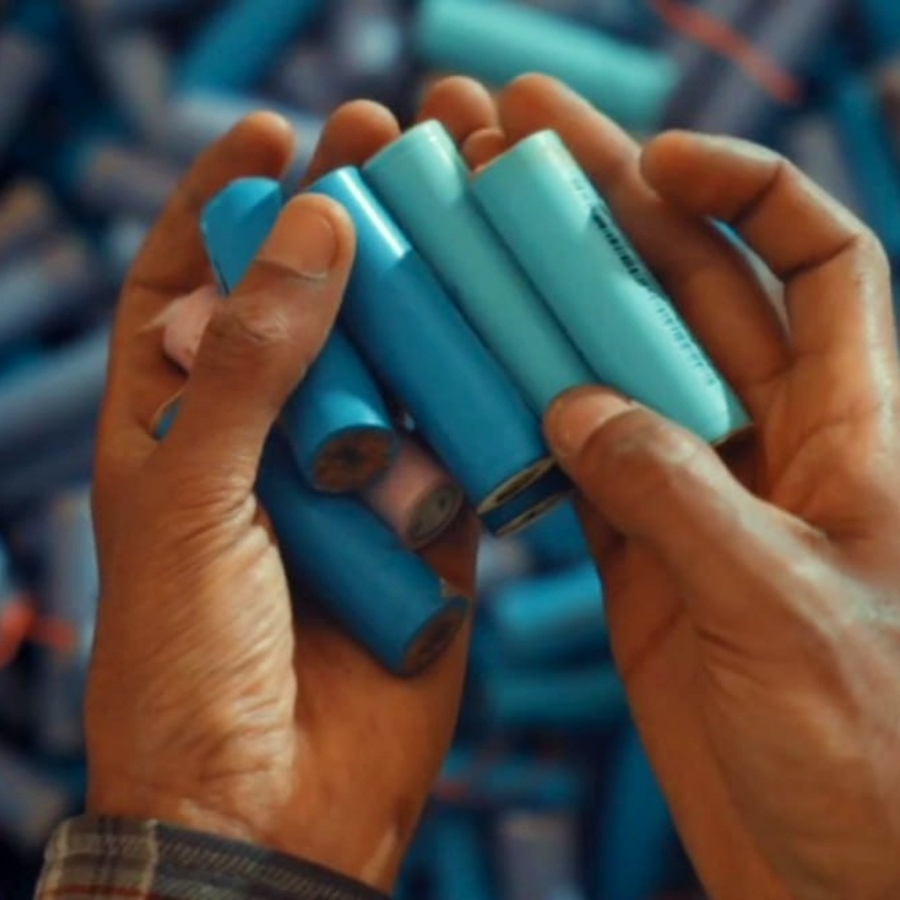
Inter Ethiopia improves energy access in underserved communities and contributes to a circular economy in Ethiopia. They refurbish solar home systems, repurpose lithium-ion batteries, and provide electronic waste management services to prevent hazardous materials from polluting the environment, reduce the need for raw material extraction, and make clean energy accessible and affordable. Inter Ethiopia works with women entrepreneurs in refugee camps to establish Circular Solar Kiosks that offer a range of refurbished solar products, provide on-site maintenance and repair services, and encourage responsible disposal of old electronics. Their refurbished systems are also used in rural communities to power irrigation systems, cold storage units, small businesses, and community centers. Inter Ethiopia provides training, fair wages, and safe working conditions for employees, develops long-term partnerships with local suppliers, and offers repair services and collection programs for communities.
Naperville, Illinois, United States
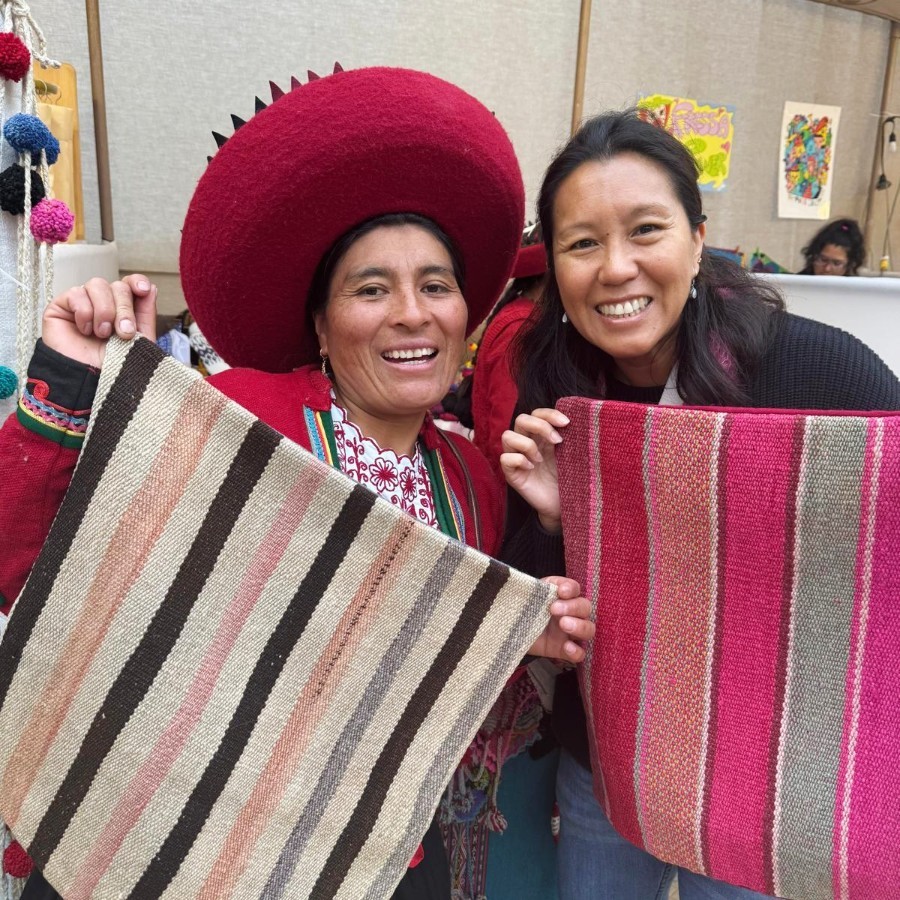
Blossom Inspirations collaborates with artisans in Peru and Mexico to create fair trade products from natural and upcycled materials. They offer alpaca fur toys, hand-carved gourd ornaments, recycled horn jewelry, keychains, and ornaments, arpillera textile art, and other housewares and accessories. Blossom Inspirations honors cultural heritage, ensures fair pay, safe working conditions, and dignified livelihoods, and minimizes environmental impact. They donate one percent of annual revenue to environmental organizations working on issues such as biodiversity protection, climate action, and regenerative ecosystems. Blossom Inspirations is a Fair Trade Federation verified member and a member of 1% for the Planet and Chicago Fair Trade.
Johannesburg, South Africa
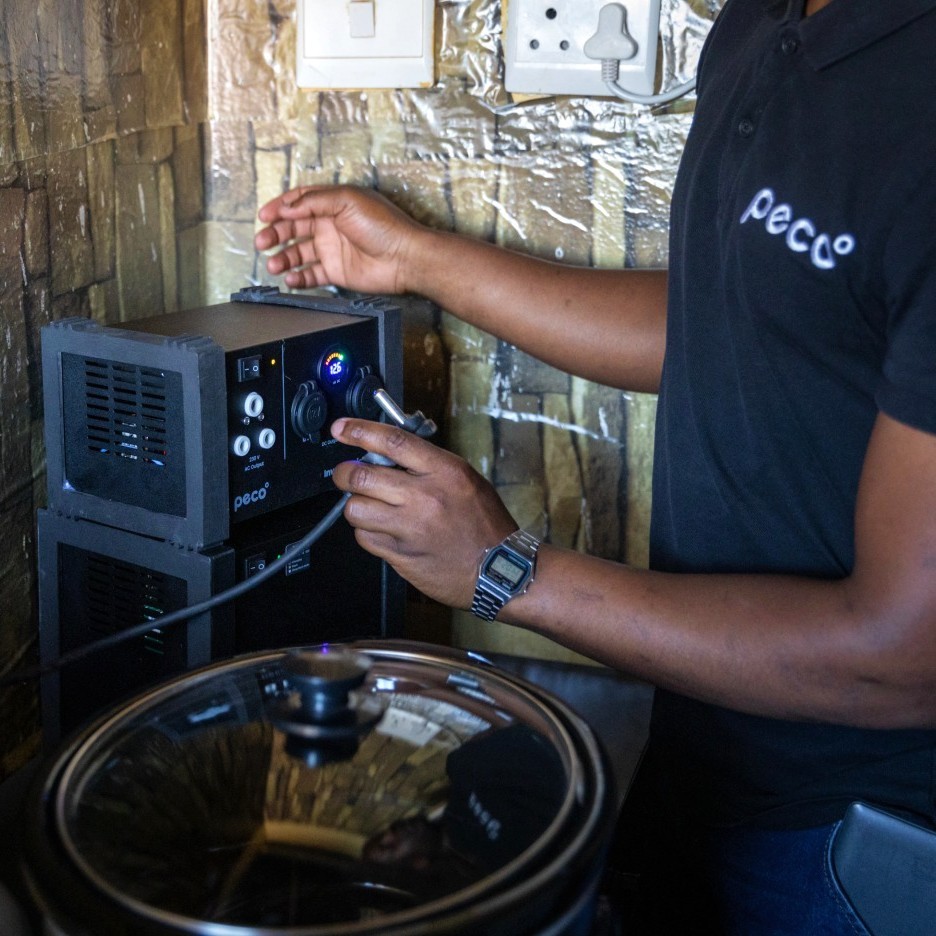
Peco Power designs and manufactures modular solar energy solutions to electrify underserved communities in Africa. Their flagship product, PowerBrick™, is a modular solar battery that makes it possible to start small and scale up the energy ladder without discarding existing units. PowerBrick™ provides reliable, clean energy for households, small businesses, refrigeration, irrigation water pumps, street lighting, and other applications. Peco Power also links together groups of families and entrepreneurs to create community microgrids for shared energy access. They partner with local entrepreneurs, who bring the products directly into their communities, and act as distributors, personal installers, and maintenance technicians. A rent-to-own model allows customers to gain immediate access to clean energy with minimal down payment and manageable daily or weekly installments.
Istanbul, Türkiye
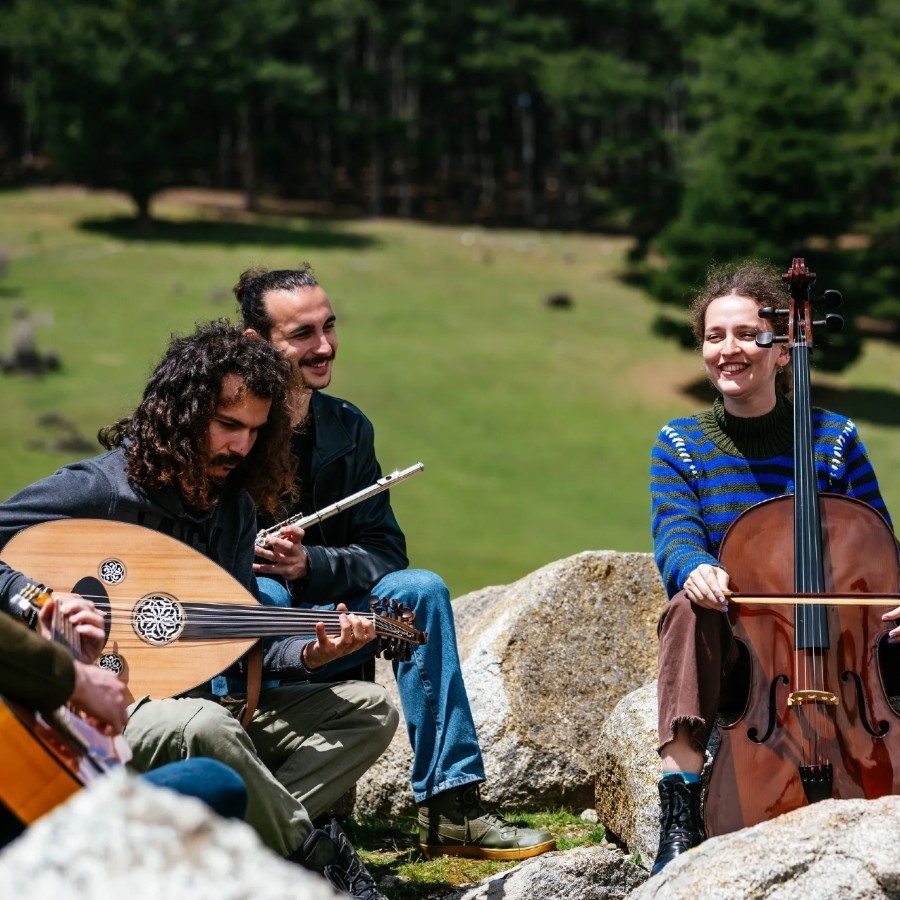
Müzikist makes music and music education more accessible in Türkiye and fosters cultural and artistic activities in villages. They offer music training, workshops, and recitals, organize panels, concerts, and festivals, produce music education publications, and increase the visibility of independent young artists. Their shop, Müzikist Dükkan, offers affordable handmade bags, drinkware, coasters, and other products and uses the proceeds to support music accessibility. Müzikist produces environmentally conscious content that emphasizes the relationship between music and nature and organizes events to raise environmental awareness. They are a not-for-profit organization and reinvest all surplus towards their mission.
Lamu, Kenya
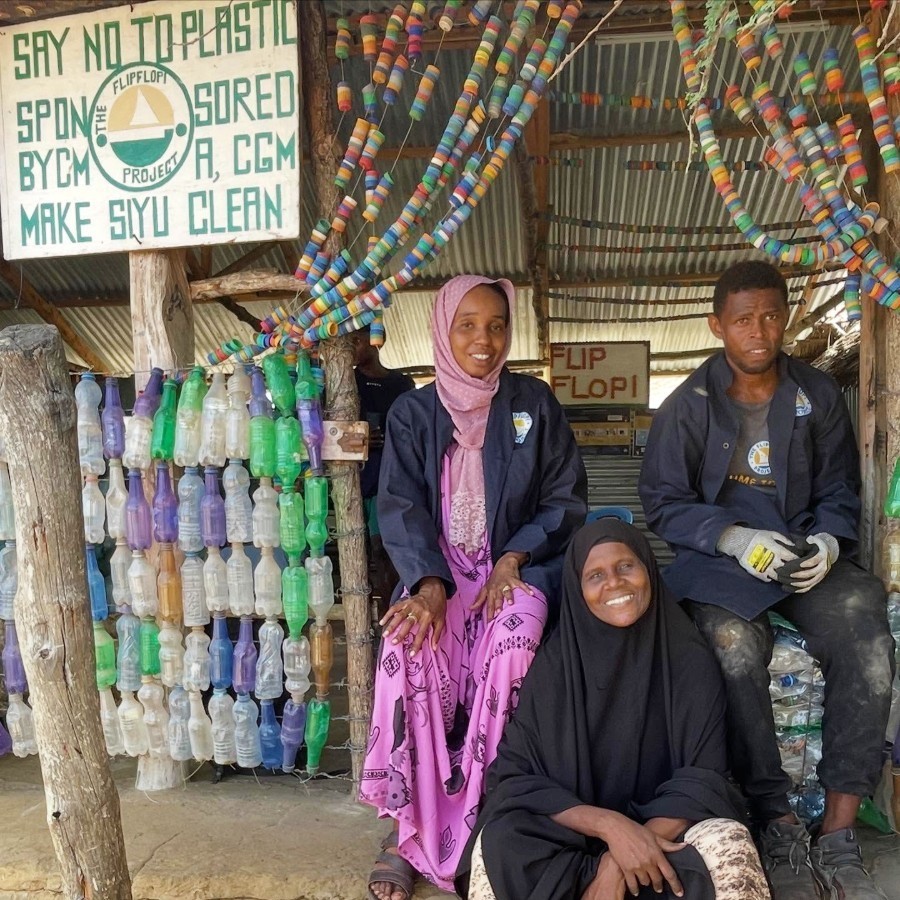
Flipflopi Designs transforms plastic waste into artisanal furniture embodying the Swahili heritage of Lamu, Kenya. They offer chairs, tables, sunbeds, benches, and hand-carved housewares made from recycled plastic lumber using plastic waste recovered from peri-urban areas. Flipflopi Designs also builds dhows and boats using recycled plastic waste collected from the shorelines of the Kenyan coast. They provide vocational training with a focus on circular economy skills, furniture-making, and dhow-building. Flipflopi Designs is a member of the Innovation Alliance for a Global Plastics Treaty and Africa Marine Waste Network, and participates in the United Nations Environment Programme (UNEP) Clean Seas campaign. They are a not-for-profit organization and reinvest all surplus towards their mission to end plastic pollution.
Penrith, New South Wales, Australia
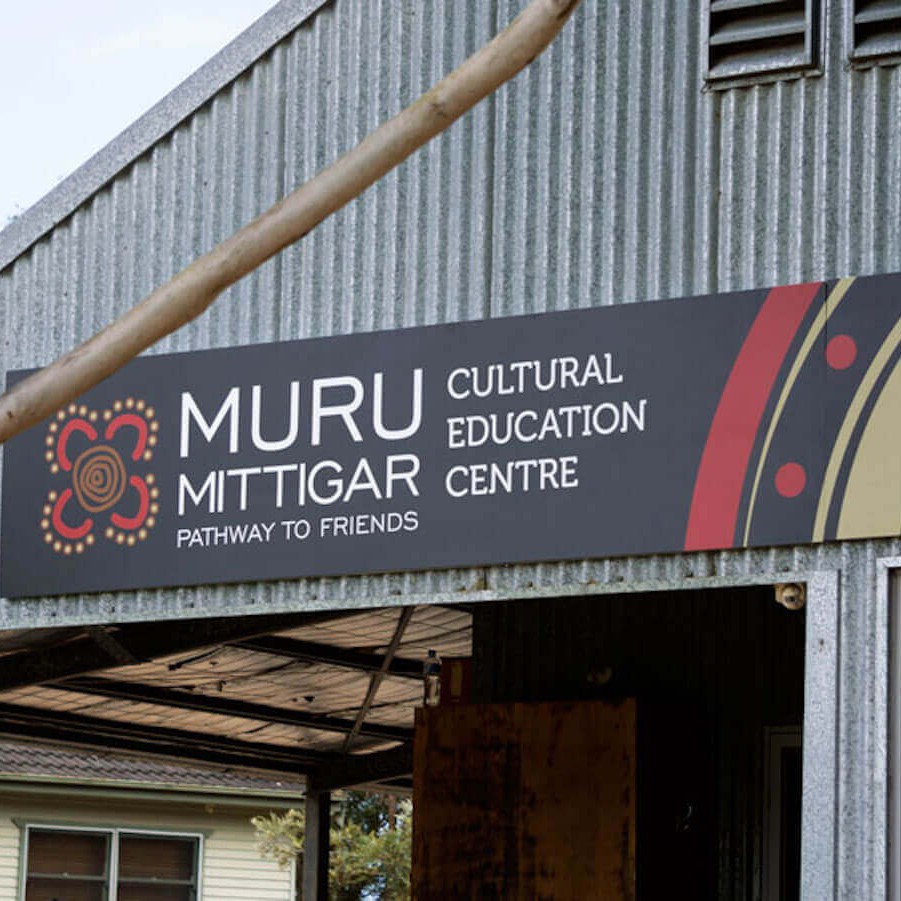
Muru Mittigar exists to create better understanding of Aboriginal culture and develop pathways to greater opportunity in the wider community for Indigenous Australians. They care for community by providing skills training, work opportunities, financial counseling, no-interest loans, energy account payment assistance, and access to other support services. They care for country through their native plant nursery, bushfire hazard risk mitigation, landscaping, arboriculture, and conservation consulting and contracting services. The Muru Mittigar Cultural Centre in Western Sydney is an educational facility that showcases Aboriginal culture, language, and history. They offer corporate cultural awareness programs, professional development for teachers, Connecting with Country consulting services, and other workshops, events, and visitor experiences. Muru Mittigar is a Dharug-led and run not-for-profit enterprise, a Supply Nation Certified Indigenous Business, a Social Traders Certified Social Enterprise, and a member of Social Enterprise Council of NSW & ACT (SECNA).
Pretoria, South Africa
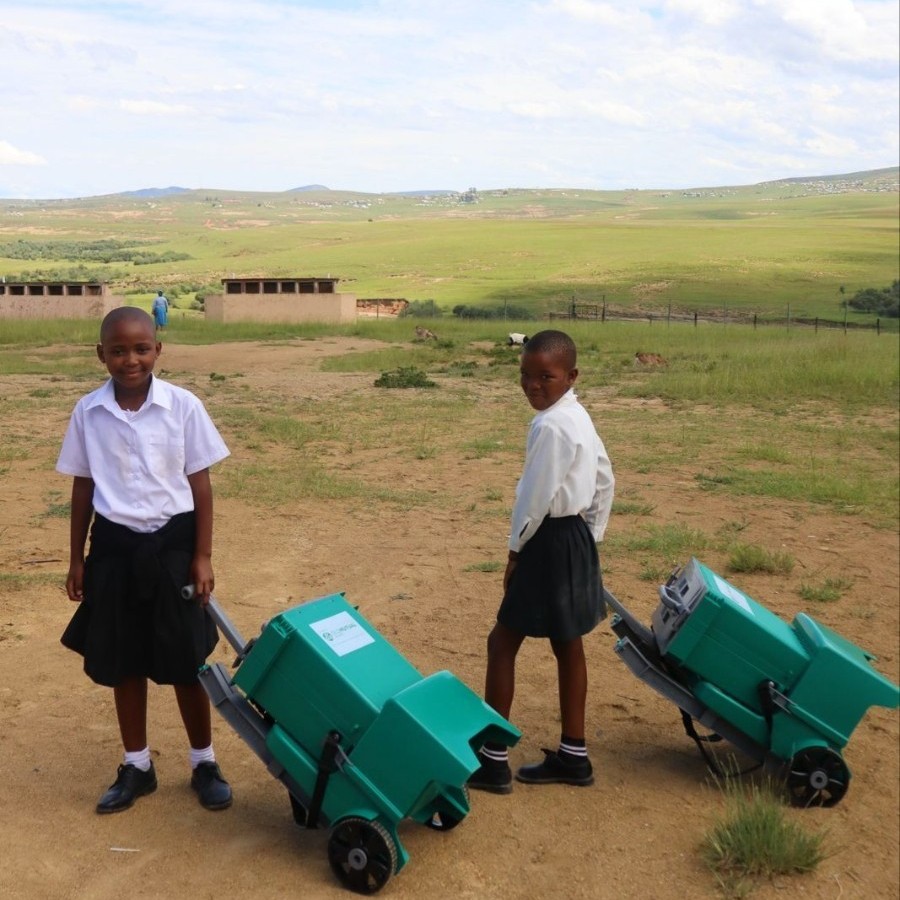
MiDesk Global improves learning experiences and academic outcomes through portable study desks for underprivileged children who lack proper learning spaces. They offer a wheeled school bag that transforms into a desk and chair with a solar light and USB charging port. Children in under-resourced schools and rural communities can carry the bag between school and home, creating learning continuity that leads to better study habits and improves grades. MiDesk is designed to last and made using durable, responsibly sourced materials to reduce waste from frequent replacements. They partner with local manufacturers and suppliers to support a circular and socially responsible value chain that strengthens local economies. MiDesk Global is a member of the Sustainable Development Solutions Network (SDSN) South Africa. They are a not-for-profit organization and reinvest all surplus towards their mission.
Brisbane, Queensland, Australia
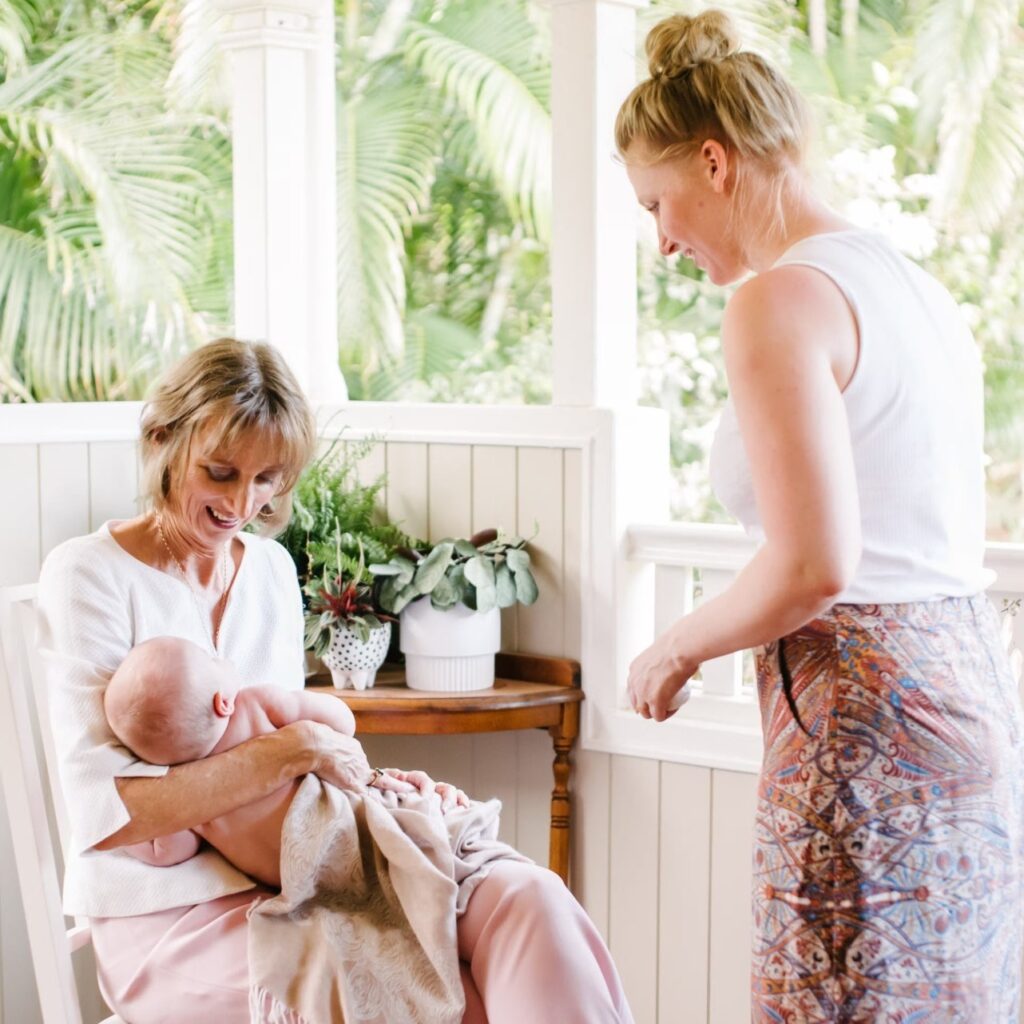
Possums provides neuroprotective developmental care (NDC) education to improve maternal, infant, and family health outcomes. They translate interdisciplinary scientific evidence about breastfeeding, sleep, infant sensory motor development, cry-fuss problems, and perinatal and infant mental health into comprehensive infant care education for parents and clinical training for health professionals. NDC programs safeguard the infant’s brain, gut, stress response, and immune systems during the first critical months of life, while also supporting parents’ psychological resilience and wellbeing. Their online delivery model reduces the need for physical materials and energy-intensive travel compared with traditional service models. Possums reinvests a majority of any surplus towards their purpose.
Athina, Greece
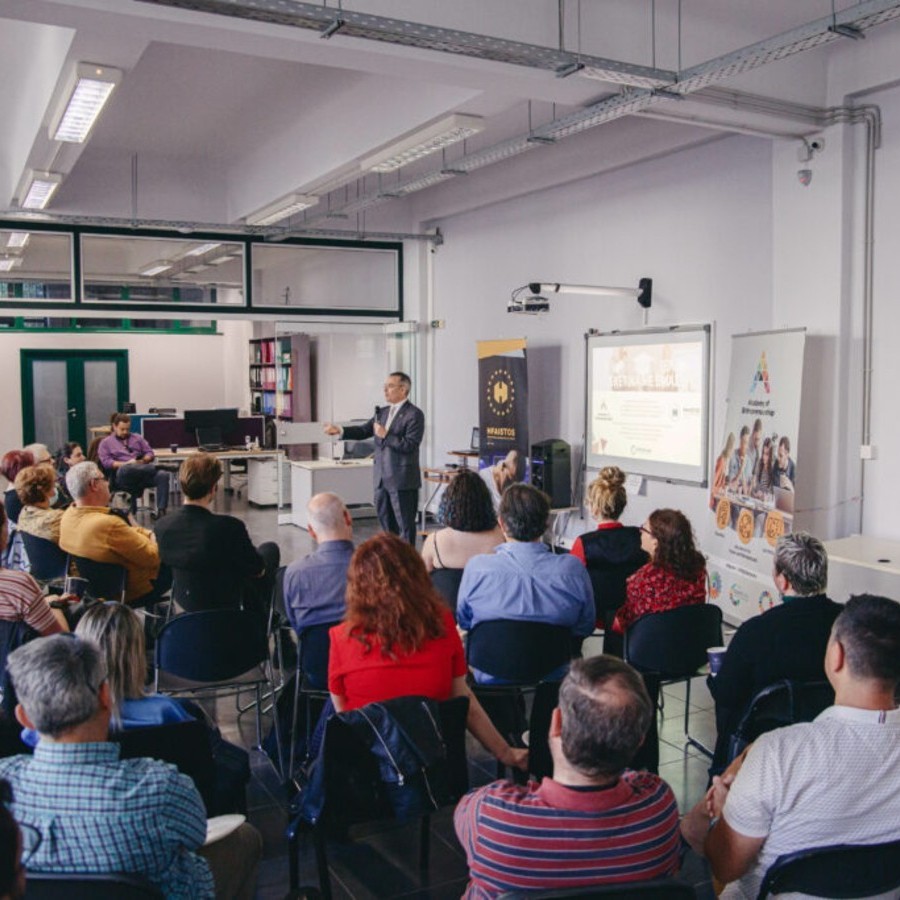
Academy of Entrepreneurship cultivates entrepreneurial mindsets through non-formal education and research to achieve the United Nations Sustainable Development Goals in Greece and beyond. Their e-learning hub provides accessible and inclusive training opportunities with online courses, multilingual access, community spaces, and certification. Their Erasmus for Young Entrepreneurs program helps new entrepreneurs gain hands-on experience and practical knowledge about business management, market expansion, and strategic growth. Academy of Entrepreneurship is a member of Catalyst Now, the Inclusive Entrepreneurship Alliance, the Euclid Network, and the European Social Enterprise Monitor (ESEM) consortium. They are a not-for-profit organization and reinvest all surplus towards their mission.
North Wollongong, New South Wales, Australia
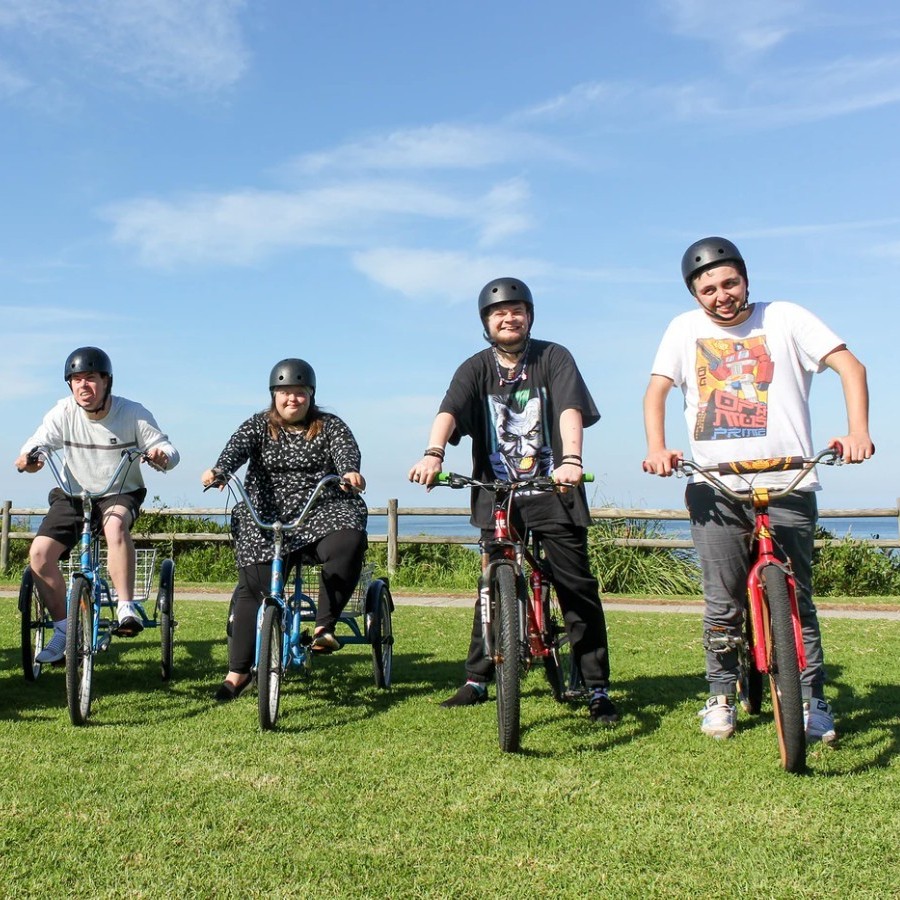
Greenacres was founded in 1953 to foster social inclusion, skill development, and independence and empower people with disabilities in New South Wales to embrace their fullest potential every day. They provide community life and leisure programs, respite care, training, and employment opportunities through more than 16 sites across the Illawarra and Shoalhaven region. Greenacres’ business activities support accredited vocational education, practical skills development, job readiness training, and pathways to supported and open employment for people with disabilities. Commercial services include packaging and labeling, light manufacturing, assembly, rework, industrial sewing, metal cutting, sandbag production, material sorting, grounds maintenance, commercial cleaning, and professional catering. They also offer handcrafted homewares and gift hampers. Greenacres provides local alternatives to imported products and offshored services. They are a member of Social Enterprise Council of NSW & ACT, Buy Ability, and the National Disability Services peak body.
Chicago, Illinois, United States
Chicagoland Workforce Funder Alliance (CWFA) develops and funds initiatives that empower employer-led workforce solutions, improve the region’s workforce development systems, and promote job quality for every worker. They support employment social enterprises (ESEs) that help people acquire job skills and experience, secure employment, and access support services like childcare, affordable housing, and healthcare. CWFA brings together private funders—foundations and corporations—to align resources and support projects through direct engagement with partners or open procurement. They also organize learning community sessions that cover important policy updates, innovative initiatives, research from local partners, key trends in workforce development, and other topics. CWFA is structured as a Donor Advised Fund at The Chicago Community Trust. It is a collaborative partner of the National Fund for Workforce Solutions.
Eagleby, Queensland, Australia
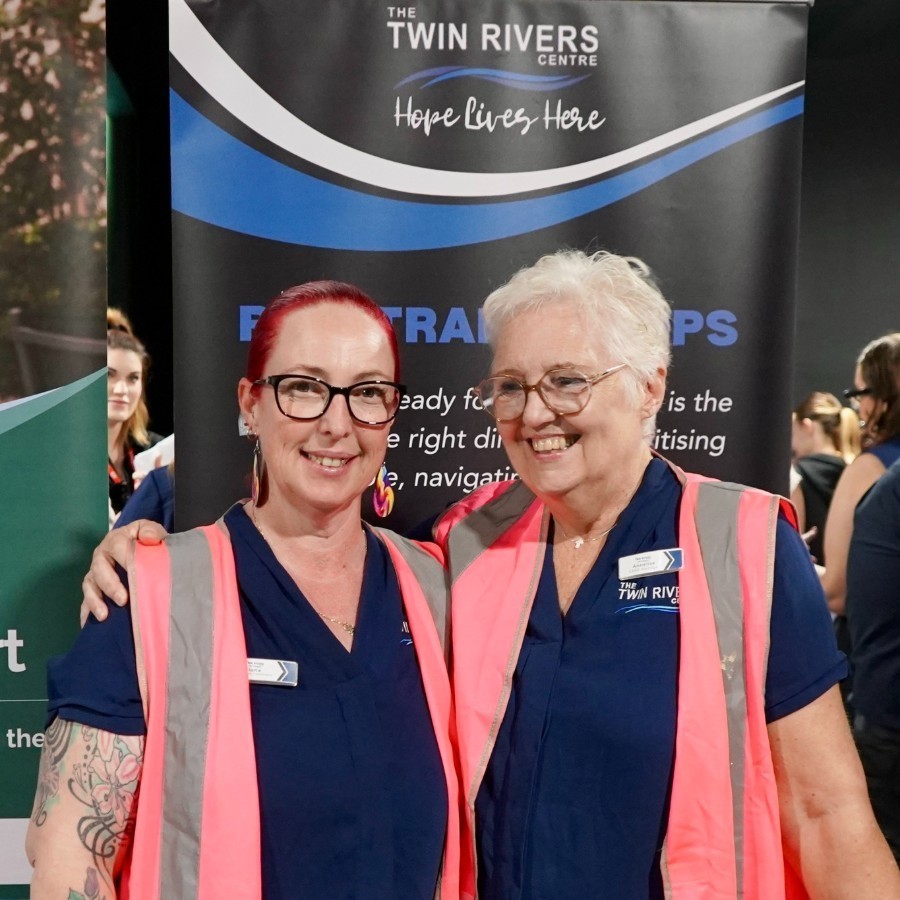
Twin Rivers Centre was established in 1992 to help individuals and families overcome crisis, gain skills, access employment, connect with others, and live with faith and purpose in Eagleby and the greater Logan area. They provide a safe and welcoming community hub, an affordable café, a low-cost food outlet, emergency relief and crisis support, case management, counseling, workshops, and other community care services. Twin Rivers Centre creates employment pathways through job readiness programs and retail and hospitality traineeships. The café and food outlet reduce waste and increase food security by redistributing donated or surplus food to families in need. Twin Rivers Centre is structured to be affordable and accessible, especially for people experiencing financial hardship. They are a registered charity under the Australian Charities and Not-for-profits Commission (ACNC) and a member of Queensland Social Enterprise Council (QSEC).
Kumasi, Ghana
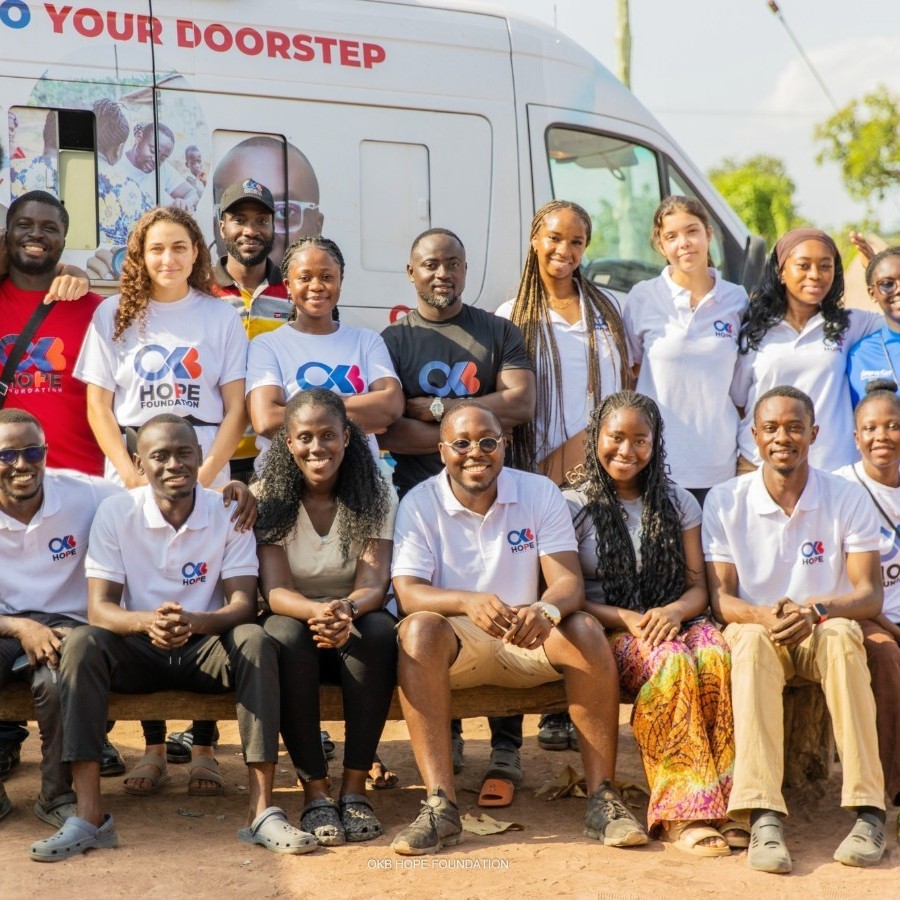
OKB Hope Foundation improves healthcare access for rural and underserved communities in Ghana through mobile clinics. They deploy healthcare providers in fully equipped mobile medical vans to provide primary and preventive healthcare in remote areas with limited or no access to reliable health facilities. OKB Hope Foundation also provides mental health education and online support resources. They train community health volunteers and partner with schools and churches to establish centralized hubs for delivering follow-up care, virtual consultations, and health education. Bringing healthcare directly to rural communities reduces the need for long-distance travel, lowering transportation costs and carbon emissions. OKB Hope Foundation is a not-for-profit organization and reinvests all surplus towards their mission. They are part of the Ghana Non-Profits Professional Network.
Kumawu, Ghana
Blessed Pan-African Youth for Rural Development empowers African youth, women, and people with disabilities to drive positive change in rural communities. They nurture young leaders, provide vocational training, skills development, and entrepreneurship support, and collaborate with local communities on agriculture, health, education, and infrastructure projects. They also raise awareness about the challenges and opportunities facing rural youth and advocate for policies that support their development.
North Maclean, Queensland, Australia
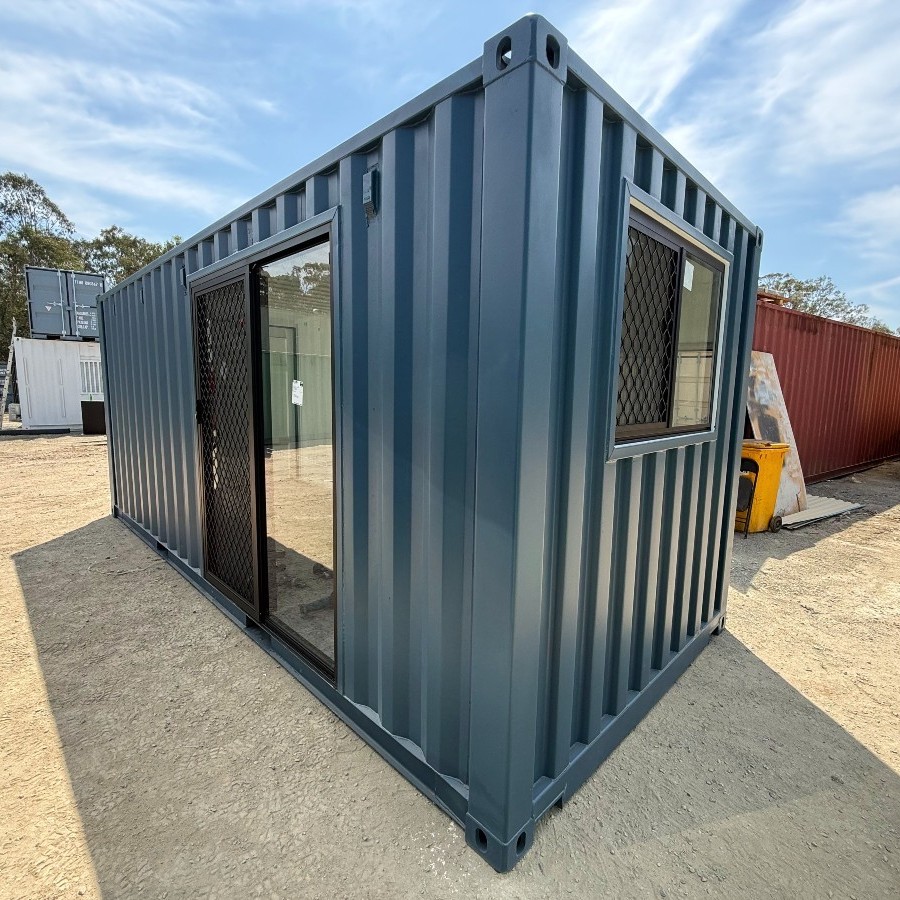
Mob Box provides shipping container solutions in Australia, reduces waste, contributes to a circular economy, and creates opportunities for Indigenous communities and people transitioning from the justice system. They sell, lease, customize, store, and transport new and used shipping containers. The containers can be used for housing, site offices, workshops, first aid rooms, toilets and showers, storage, off-grid renewable energy systems, and other infrastructure. They can also be customized to store cultural artifacts and provide cultural hubs in Aboriginal communities. Mob Box partners with Indigenous entrepreneurs and local small businesses and provides second-chance employment and skills development to help people reintegrate into the workforce, regain independence, and contribute to society. They offer free consultation and design services for community initiatives. Mob Box is a Supply Nation Certified Indigenous Business and a member of Queensland Social Enterprise Council (QSEC), Queensland Indigenous Business Network, and First Nations Industry Yarns.
Kigali, Rwanda
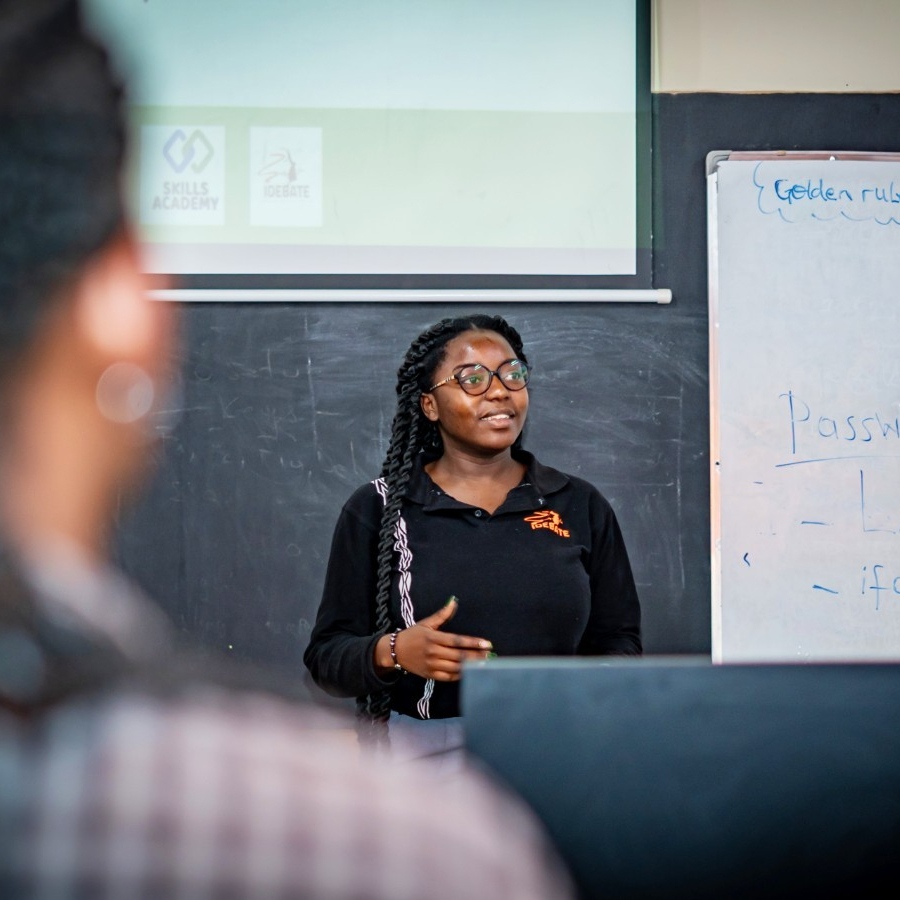
Skills Academy equips youth in Rwanda with market-relevant soft skills through professional training and mentorship. They offer employability training and skills development for unemployed youth and recent graduates with a focus on digital literacy, communication, leadership, customer interaction, and critical thinking. The Skills Academy mentorship program connects young people with experienced professionals to support personal and professional growth. They also help trained youth access internships, volunteer roles, and employment opportunities. Skills Academy provides free training and employment support to young people from low-income and marginalized backgrounds.
Polbeth, Scotland, United Kingdom
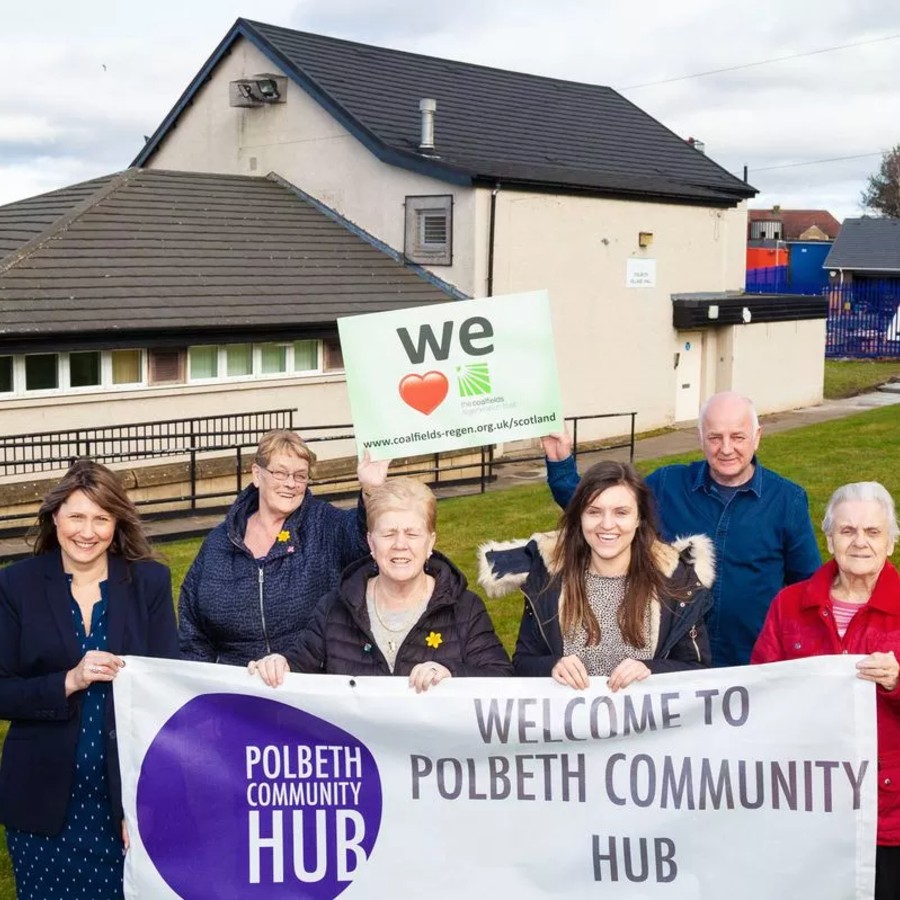
Polbeth Community Hub brings people in Polbeth together, creates opportunities, helps the community thrive, and supports locals to make positive change and improve quality of life. They offer halls, rooms, and a catering kitchen that can be rented for meetings, parties, and other events, a low-cost community shop, coworking spaces, and an activity field. Polbeth Community Hub hosts a wide range of community groups, clubs, and activities, provides cost-of-living support, donation-based counseling, financial advice, and other services, and maintains a lending library and reuse and recycling hub. Products and services are free for local residents. Polbeth Community Hub is a Disability Confident employer and a member of Social Enterprise Scotland and Social Enterprise UK. They reinvest all surplus towards their purpose.
Panchkula, Haryana, India
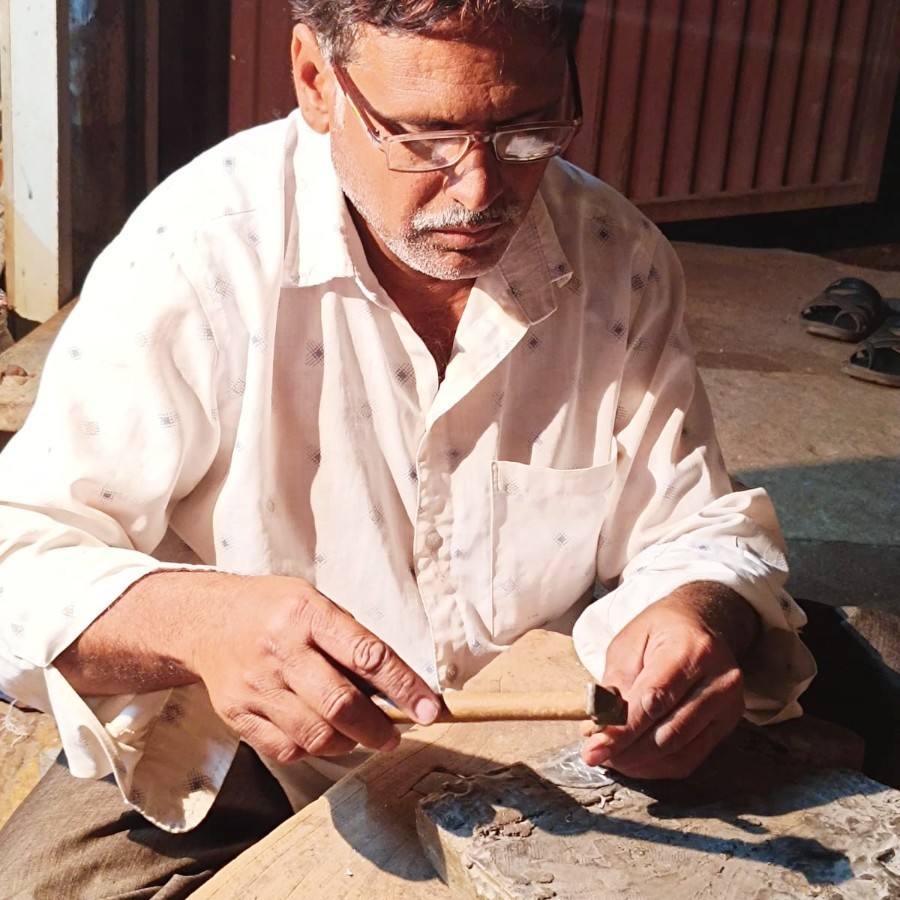
ITTARA creates vegan accessories that merge next-generation biomaterials with Indian craft heritage. Their totes are handcrafted from sustainably sourced cork with a natural cotton lining and handmade Bidri label. ITTARA offers cruelty-free, environmentally responsible alternatives to handbags made from animal leather or plastic faux leather. The bags are thoughtfully designed for function, comfort, durability, and repairability and are packed and shipped in undyed cotton dustbags with clay desiccants, cardboard mailers, and paper tape. ITTARA works with skilled artisan groups in Kolkata that provide training, fair wages, and dignified employment. They are a member of the United Nations Fashion and Lifestyle Network.
Wa, Ghana
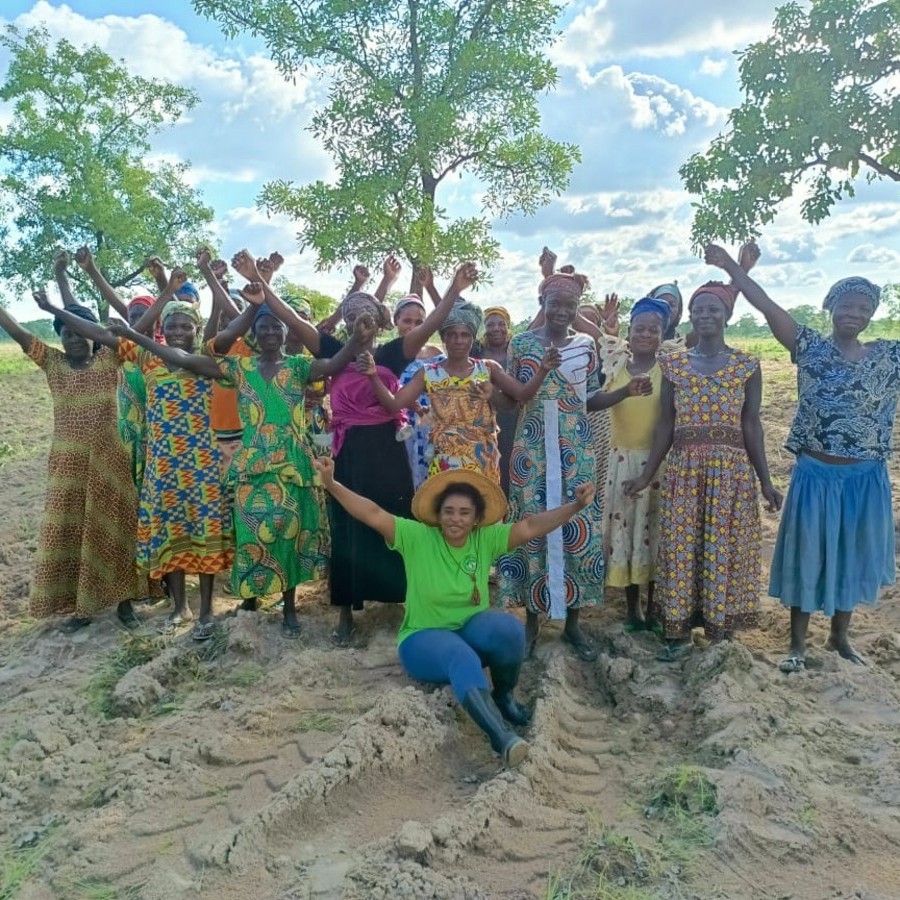
Sungbo Women Empowerment Organization works to eradicate poverty and economically empower women in Ghana. They recruit women engaged in logging for fuel wood and charcoal, mobilize them into groups, and coordinate contract farming, aggregation, processing, and other value addition to help them access better prices. Sungbo Women Empowerment Organization specializes in maize and soybean production, groundnut paste, tom brown porridge, and shea butter. By providing alternative livelihood opportunities, they reduce deforestation and protect valuable shea trees. Sungbo Women Empowerment Organization is a not-for-profit organization and reinvests all surplus towards their mission.
Pompano Beach, Florida, United States
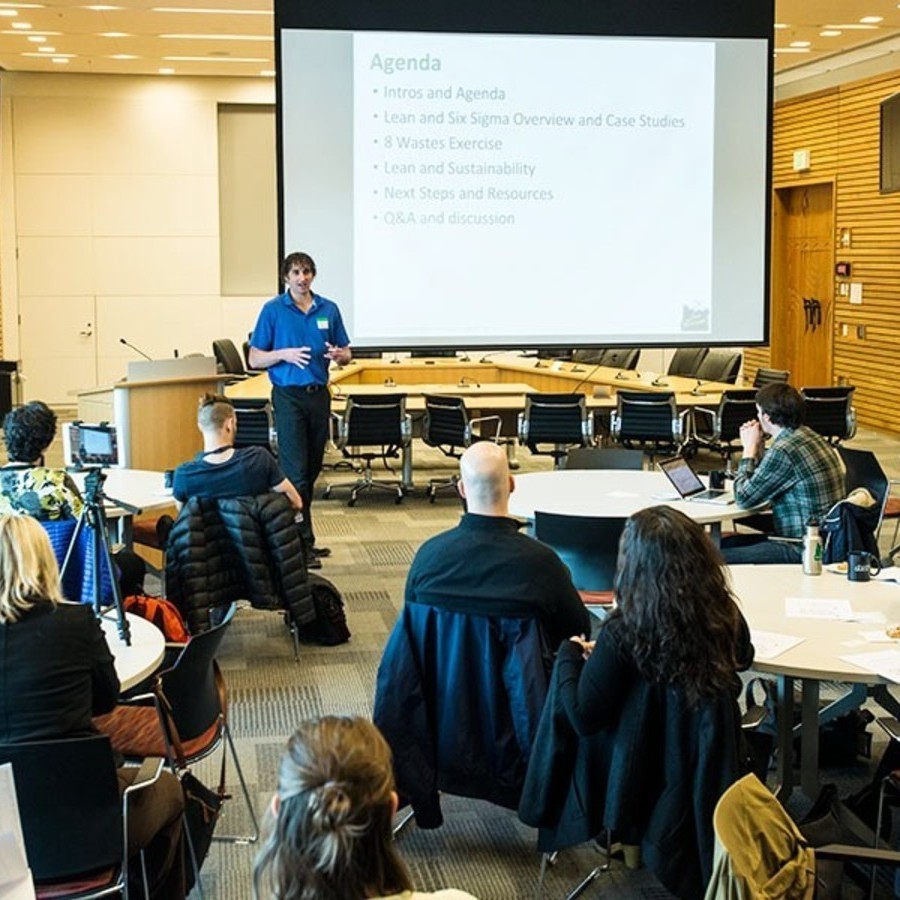
Business Performance Improvement (BPI) helps sustainable businesses and not-for-profit organizations achieve triple-bottom-line performance using Lean and Six Sigma process improvement techniques. They offer certification, training, consulting, and mentoring services that enable organizations to develop a culture of process improvement that balances people, planet, and profits. BPI provides free and low-cost resources on their website, volunteers time to help nonprofits improve their operations, and donates to Everybody Solar based on travel impact and revenue. They are a member of 1% for the Planet.
Worksop, England, United Kingdom
Radiant Life Day Centre provides community care and support services for the elderly and for younger adults with learning disabilities and mental health needs in Nottinghamshire, United Kingdom. They offer day center, respite, and domiciliary care services to improve quality of life, reduce social isolation, and support the mental and physical wellbeing of families. The center is wheelchair-accessible, and activities are tailored to suit different sensory, cognitive, and physical needs. Radiant Life Day Centre prioritizes local and ethical suppliers and supports minority-owned and environmentally responsible businesses. They use renewable energy, serve locally sourced organic meals, have a circular waste system, and avoid single-use plastics. Radiant Life Day Centre donates to local charities and reinvests their surplus into community projects. They are a Community Interest Company (CIC) and a member of Social Enterprise UK.
Ga-Rankuwa, South Africa
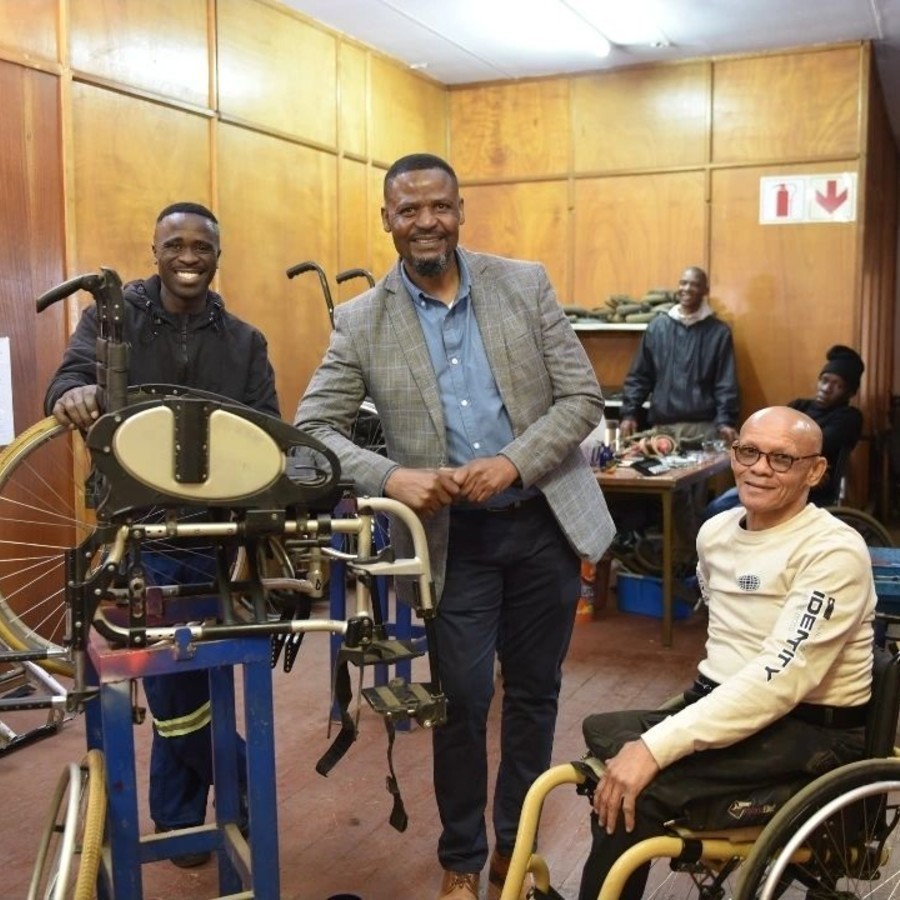
Chief Ralekhudu Enterprise (CRE) aims to create an inclusive and supportive ecosystem in South Africa where people with disabilities can access affordable wheelchair repair services, acquire skills and knowledge, establish successful businesses, and contribute to a circular economy. They train people with disabilities, women, and youth in wheelchair maintenance and repair, assistive device services, and business management skills and provide coaching and support to establish rural and township-based wheelchair service centers. These community-based repair hubs extend the functional lifespan of wheelchairs and other assistive mobility devices, divert waste from landfills, and ensure mobility services are locally accessible and affordable. CRE uses biodegradable surface cleaners, non-toxic degreasers, alcohol-free disinfectants, citrus-based rust removers, reusable cloths, plant-based scrubbing tools, and other environmentally responsible supplies. They segregate waste, reuse salvageable parts, and conserve water. CRE is working towards a purpose-led community ownership model.
Wraxall, England, United Kingdom
Project Phoenix UK provides trauma-informed support and advocacy for survivors of psychological and narcissistic abuse. They offer recovery consultations and connect survivors with peer networks and community support programs. Project Phoenix UK also provides training and workshops to help organizations build safer and inclusive spaces free from psychological abuse. They advocate for systemic change by raising awareness of narcissistic abuse as a form of trauma and by amplifying survivor voices in policy and practice. Project Phoenix UK is a Community Interest Company (CIC) and a member of Social Enterprise UK.
Bamenda, Cameroon
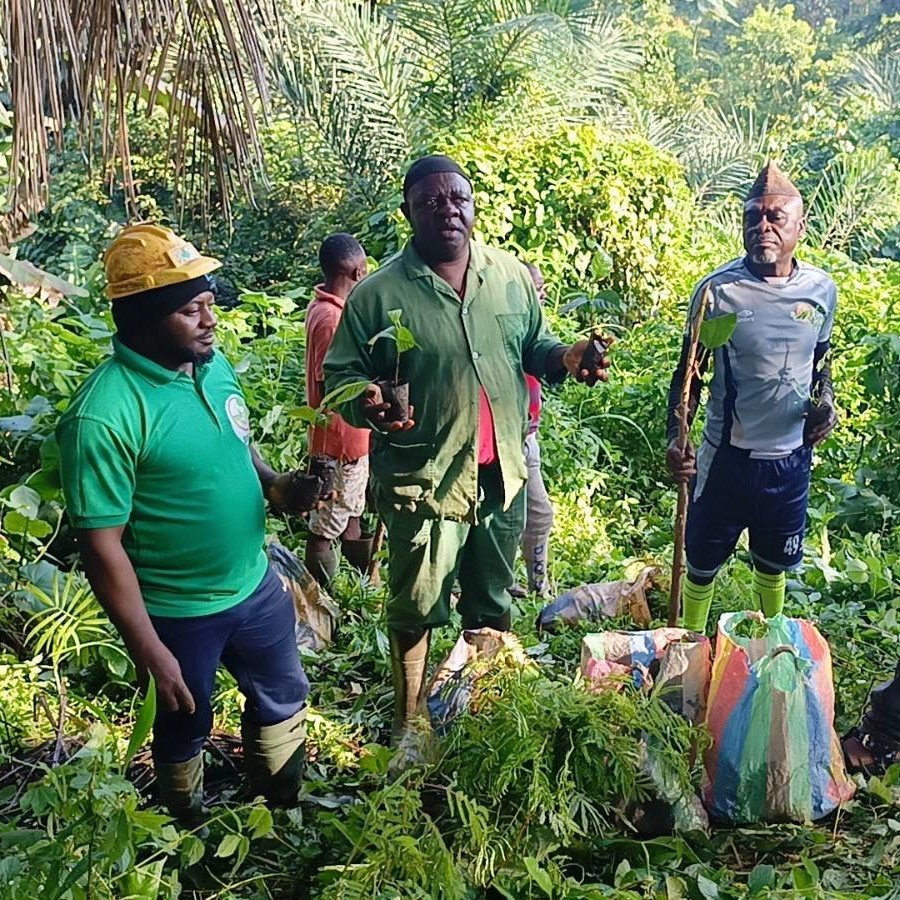
Sustainable Action For Community Development (SACOD) helps foster communities in Cameroon where all individuals, regardless of gender, age, or ability, have the opportunity to lead fulfilling lives in harmony with a healthy and sustainable environment. They focus on health, inclusive education, sustainable livelihoods, good governance and human rights, and environmental protection. SACOD uses the asset-based community development (ABCD) approach to mobilize existing strengths, skills, and resources within a community to address social and economic challenges. They are a not-for-profit organization and reinvest all surplus towards their mission.
Lusaka, Zambia
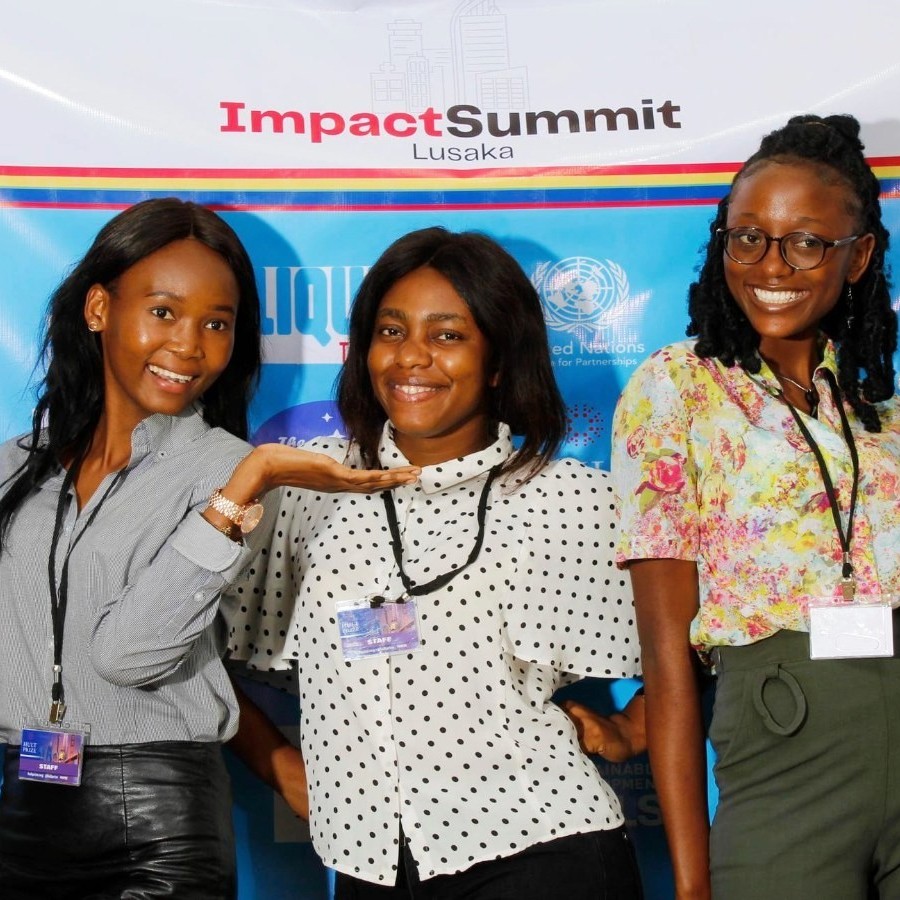
The Dream Factory supports social entrepreneurship and innovation and champions sustainable development in Zambia. They equip social entrepreneurs and innovators with the essential skills, resources, and networks needed to design and scale solutions that drive systemic change. The Dream Factory advocates for policies that create an enabling environment for sustainable development. They are a not-for-profit organization and reinvest all surplus towards their mission.
Bamenda, Cameroon
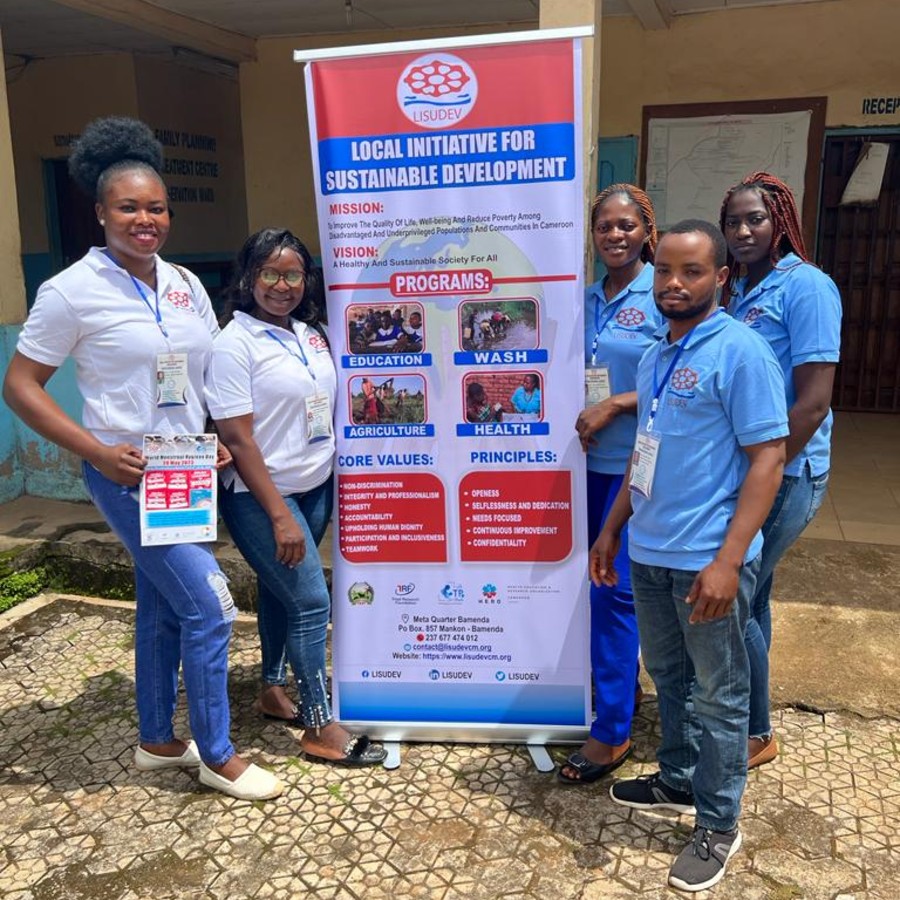
Local Initiative for Sustainable Development (LISUDEV) works to improve quality of life, promote wellbeing, and reduce poverty among underprivileged populations in Cameroon. They focus on healthcare, water and sanitation, sustainable livelihoods, education, and women’s empowerment. LISUDEV provides maternal and newborn health services, constructs health, water, and sanitation facilities, supplies medical equipment, supports community-based disease surveillance, and delivers education and awareness programs. They also train rural farmers on regenerative, climate-smart farming practices and provide quality seeds and farming tools. LISUDEV is a member of UN Water Action Hub, Catalyst Now, Tadamon CSO Community, Northwest CSO Platform, and Cameroon Impact Alliance. They are a not-for-profit organization and reinvest all surplus towards their mission.
Farnborough, England, United Kingdom
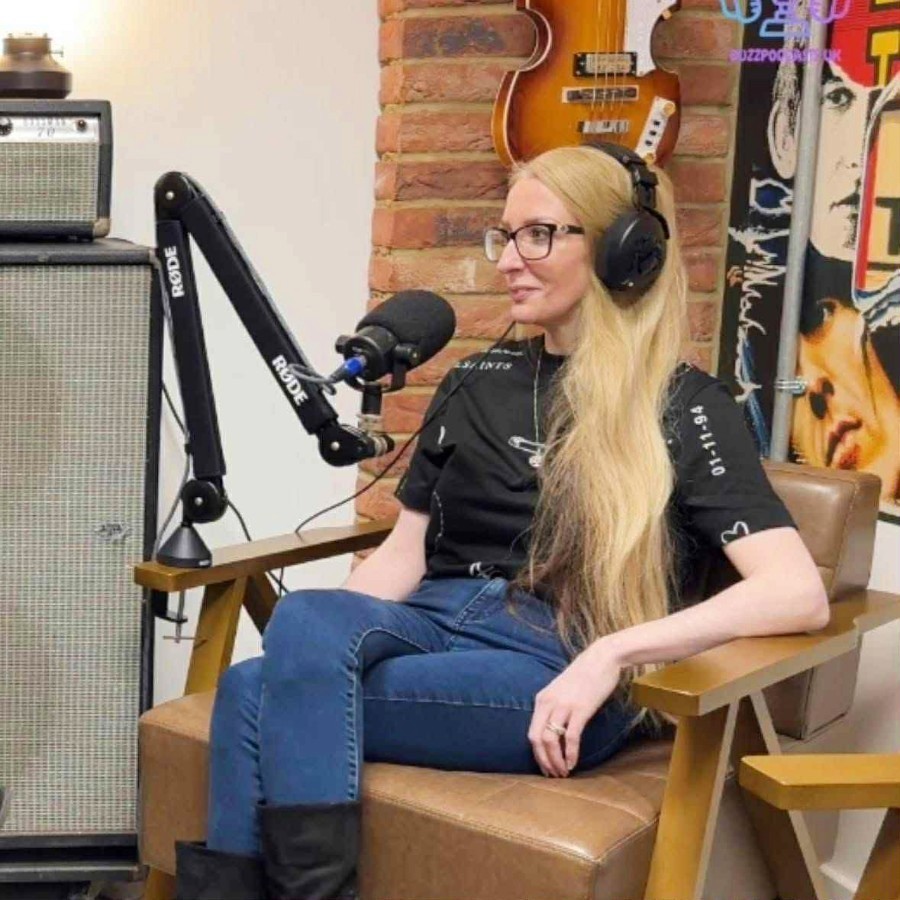
Brave Everyday inspires people to take positive action in everyday life through lived experience storytelling and mental wellbeing tools. Through podcasting, workshops, and speaking engagements, they share real stories and have honest conversations about acting courageously when facing difficulty in life. The Brave Everyday podcast reaches people who may be experiencing stress, social isolation, or other life challenges, and helps them find strength, rebuild confidence, and reconnect with a supportive community. They are a Community Interest Company (CIC) and a member of Social Enterprise UK.
Phuthaditjhaba, South Africa
Qwakanda works to build economically independent and self-reliant communities in Qwa-Qwa and beyond through sustainable economic development, agriculture, environmental restoration, and youth empowerment. They educate families on composting, soil restoration, and climate-resilient agriculture, promote food security through household and community food gardens, and coordinate community clean-ups, tree planting campaigns, public space rehabilitation, and other restoration initiatives. Qwakanda empowers youth through science, technology, engineering, and mathematics (STEM) education, hands-on learning opportunities, entrepreneurship support, and capacity-building programs. They partner with local organizations to host arts and culture events that support the creative economy and boost tourism. Qwakanda is a not-for-profit organization and reinvests all surplus towards their mission.
Boonah, Queensland, Australia
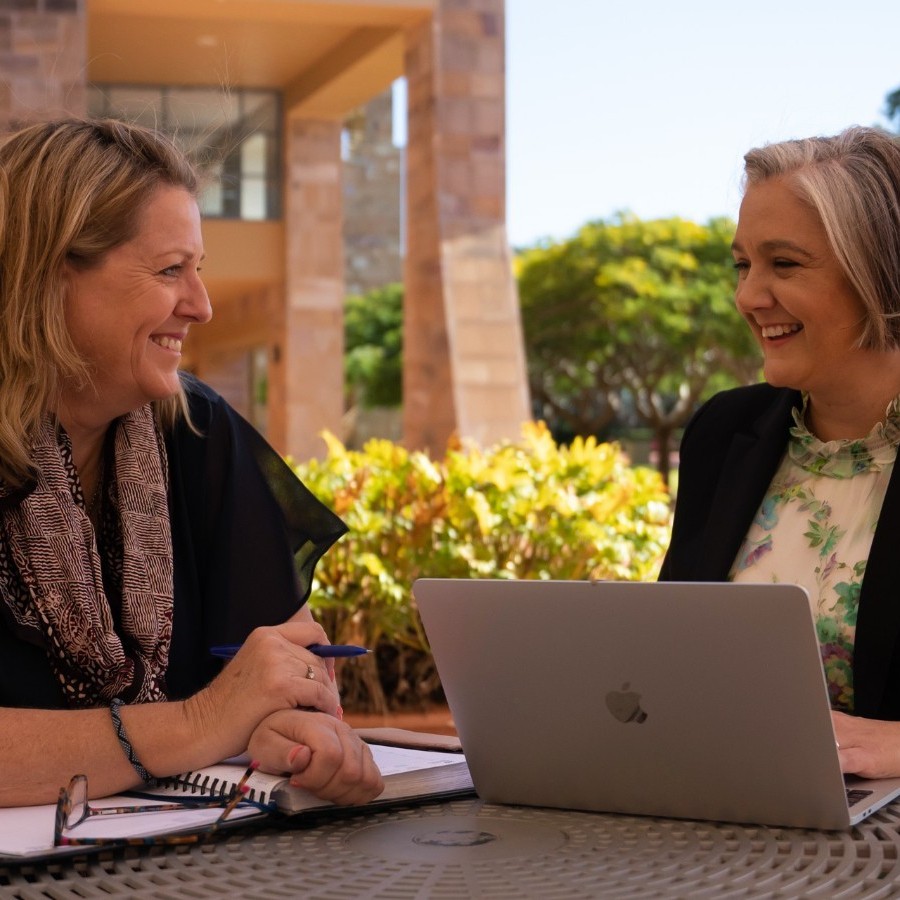
Natural Solutions Co helps build resilient businesses and organizations in Queensland and beyond by aligning vision with action and creating strategies that benefit people, planet, and community. They specialize in consulting, planning, process improvements, mentoring, capacity building, program design and delivery, modelling, reporting, and other services that contribute to sustainability and community health. Natural Solutions Co offers sliding scale pricing and pro bono support for mission-aligned not-for-profit organizations.
Nairobi, Kenya
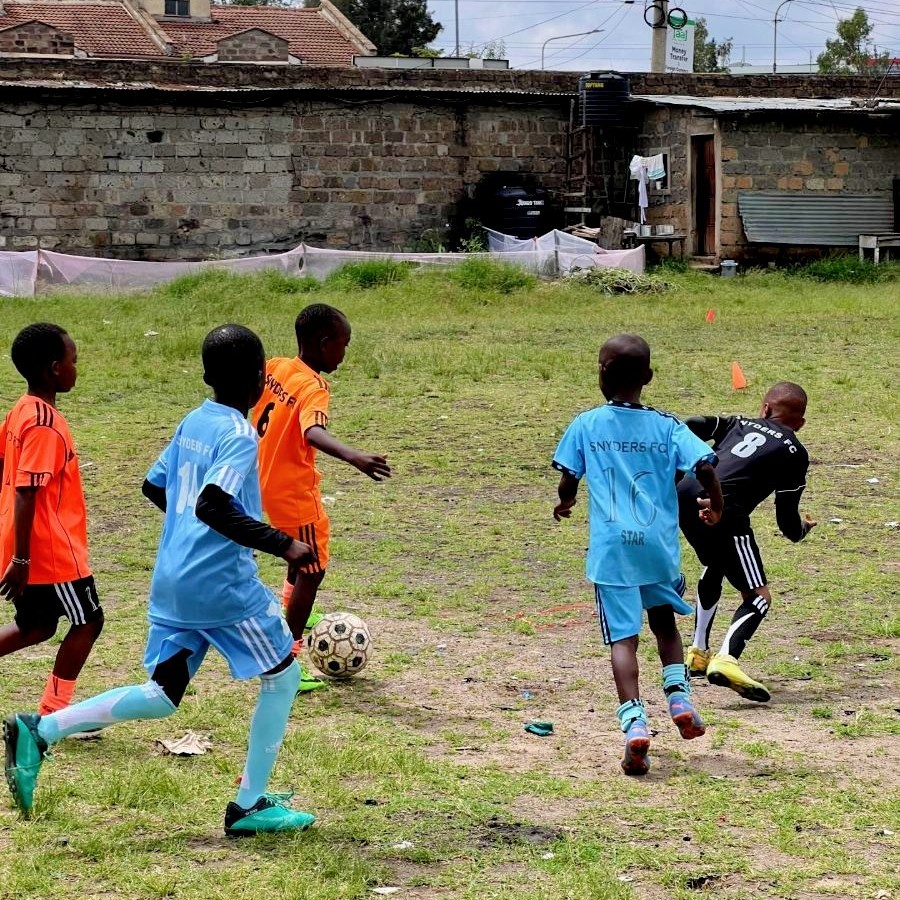
Mukuru Shujaa works to improve the education outcomes of children from low-income families through football in Mukuru kwa Njenga, Kenya. They create positive childhood experiences through football tournaments, mentorship, workshops, and family festivals that motivate and inspire engagement with education. Mukuru Shujaa provides sports equipment and school supplies, pays for tutoring sessions, and equips digital learning spaces. The play-based programs help children stay in school and overcome insecurity, poor infrastructure, and other challenges that limit access to education in informal settlements. They are a not-for-profit organization and reinvest all surplus towards their purpose.
Sigomere, Kenya
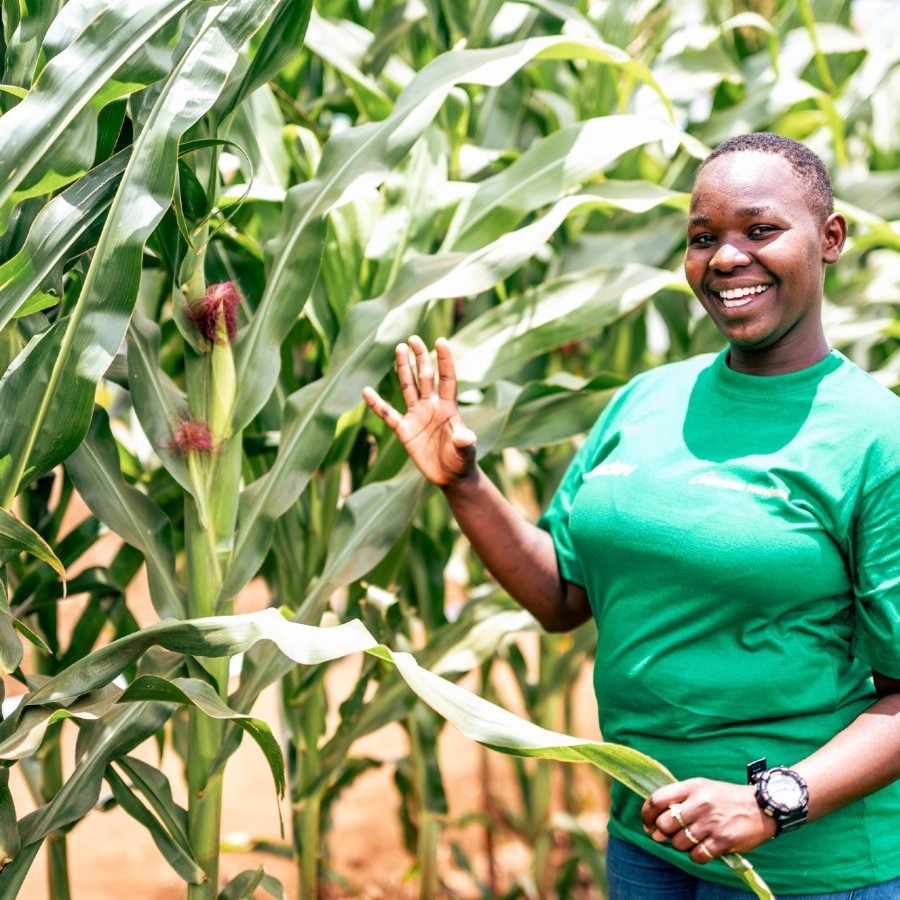
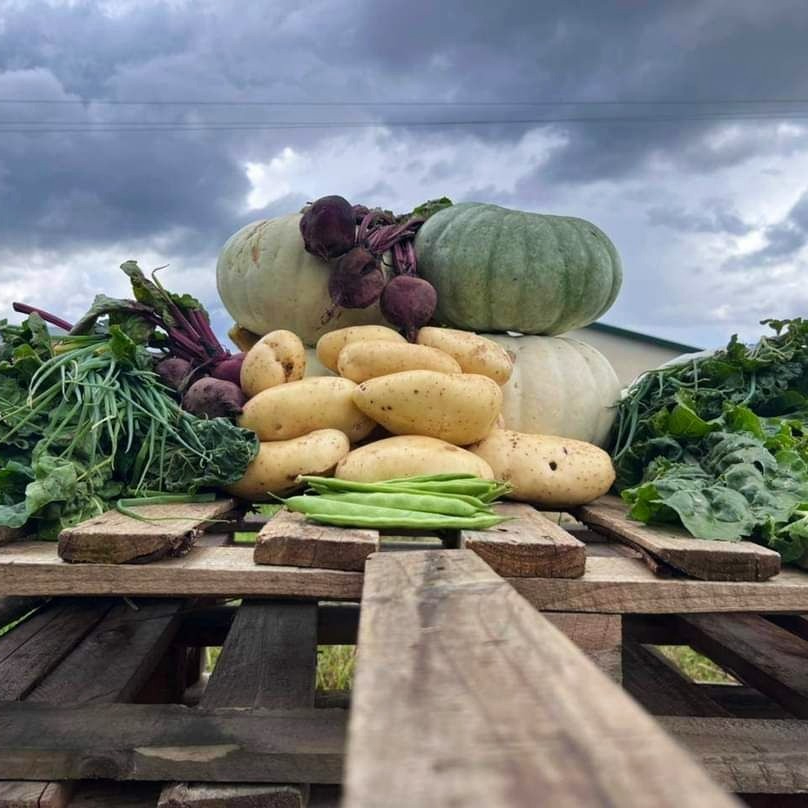
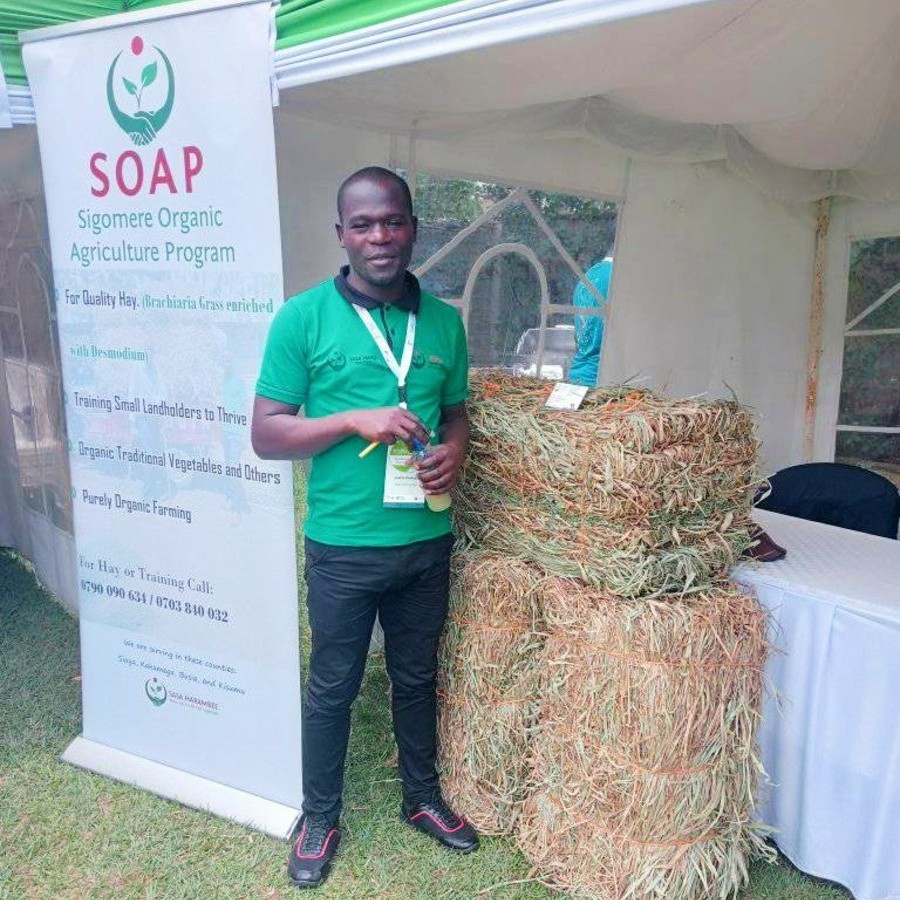
Sigomere Organic Agriculture Program (SOAP) restores degraded soils and improves food security in western Kenya through agroecology and regenerative farming. They train farmers on agroecological practices that integrate crop cultivation, animal husbandry, and tree planting in a circular system that benefits both people and the planet. Trained farmers grow traditional vegetables, grow fruit trees, keep improved indigenous chicken, produce hay for livestock, and propagate local seeds in forest gardens. SOAP promotes mulching, crop rotation, intercropping, manure composting, and other climate-smart practices that restore soil health, conserve water, and increase farm productivity without using toxic agrichemicals. They encourage peer-to-peer knowledge sharing and collective marketing in aggregation centers where farmers network and connect with buyers. SOAP is an initiative of Sasa Harambee, a not-for-profit organization.
Lagos, Nigeria
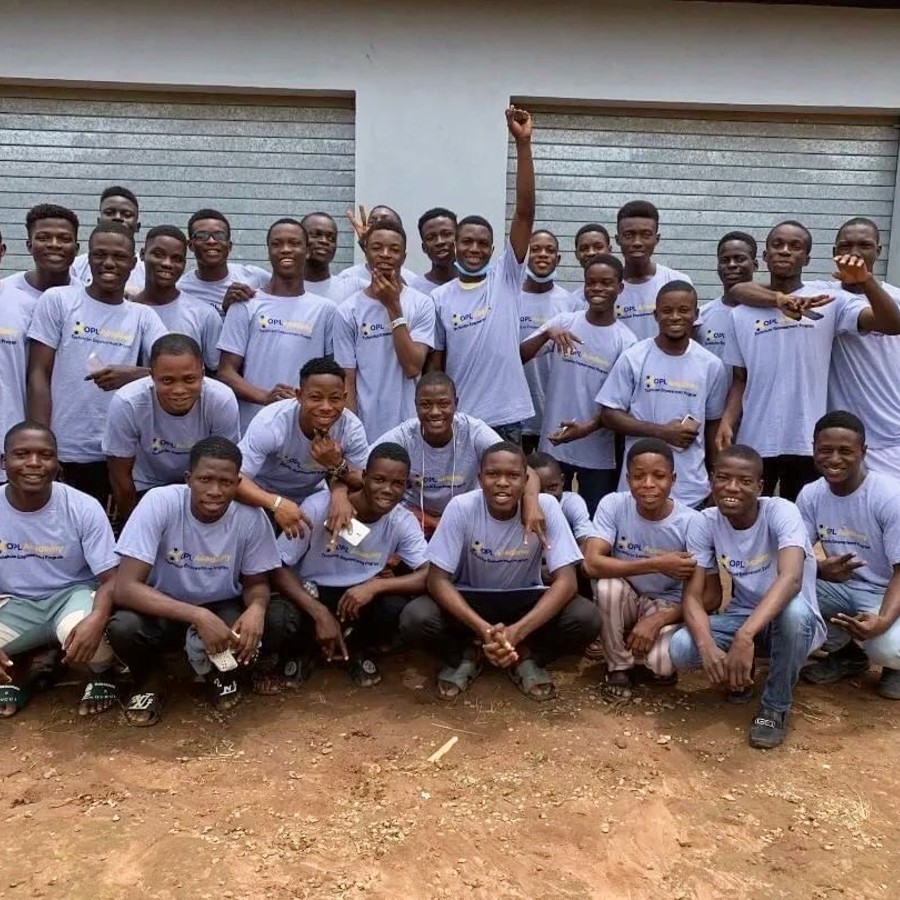
OPL Academy bridges the skills gap in Nigeria’s construction industry through professional training programs and employment support. They offer practical technical training, soft skills training, and job readiness training for students interested in careers in the construction industry. Their recruitment services help employers hire trained and certified temporary, contract, and full-time workers with industry-relevant skills. OPL Academy is a not-for-profit organization and reinvests all surplus towards its mission.
Antsirabe, Madagascar
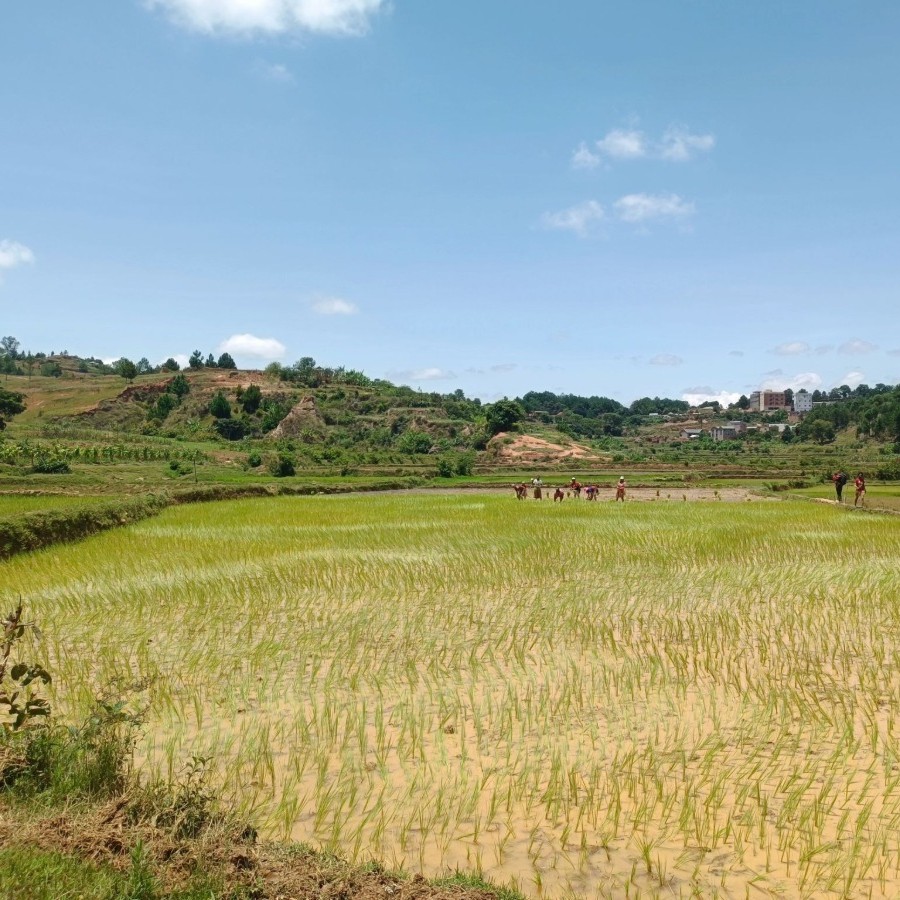
Valorea Harvest Coop supports sustainable agriculture and empowers women farmers in Antsirabe, Madagascar. They offer practical skills training in agroecological farming practices to improve soil health, reduce the use of agrochemicals, and preserve local biodiversity. The cooperative also helps members add value to their products and access more profitable markets for black rice, honey, and spices. By strengthening women’s livelihoods, they contribute to children’s education, family health, and regional economic resilience.
Eldoret, Kenya
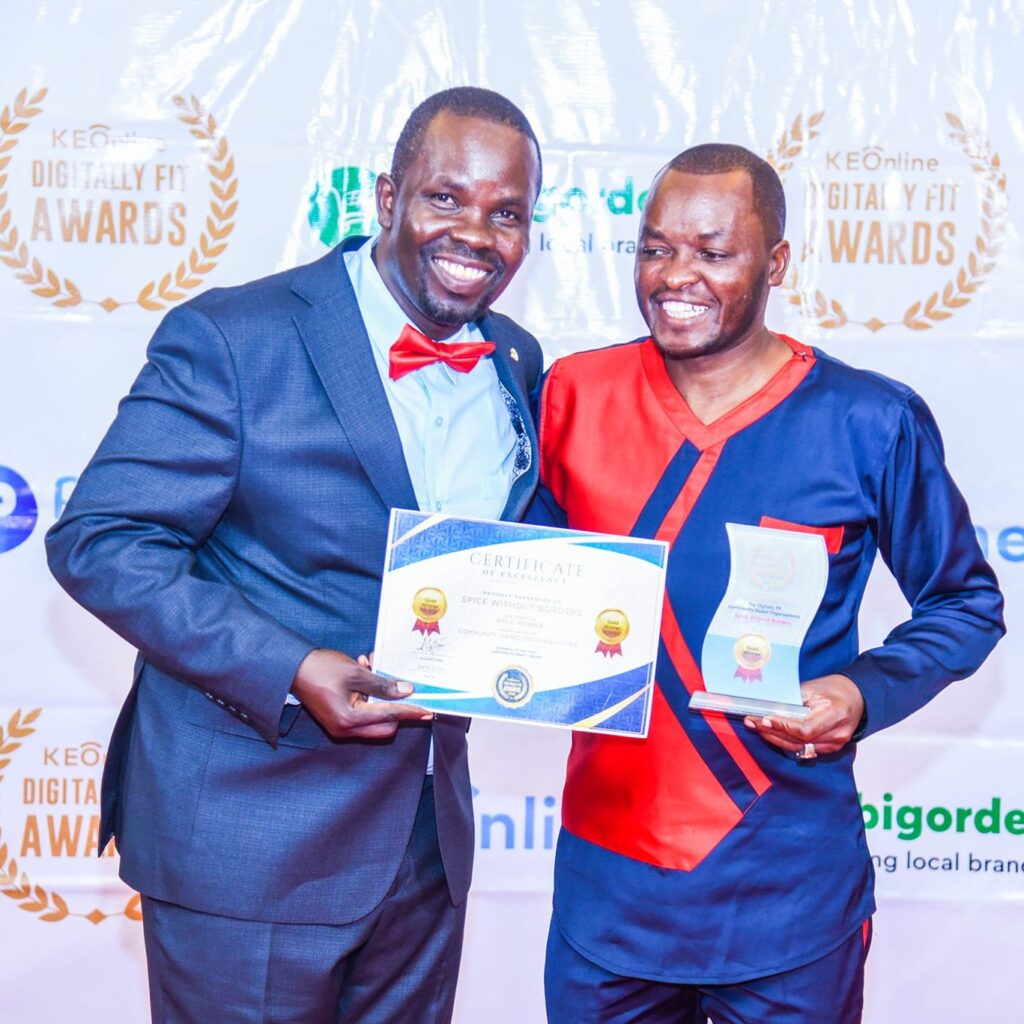
Spice Without Borders provides culturally relevant training and entrepreneurial support to changemakers from underserved communities across East Africa. They specialize in entrepreneurship incubation, mentoring, coaching, and hands-on training. Their Spice Accelerator equips activists, creatives, entrepreneurs, and innovators with the tools, skills, and confidence they need to drive social and environmental change in their own communities. Participation fees are either subsidized, provided on a sliding scale, or fully sponsored through scholarships and partnerships. Spice Without Borders prioritizes sustainability in all operations by sourcing locally, minimizing waste, using energy-efficient practices, favoring environmentally responsible materials, and cultivating environmental awareness in the communities they serve. They are a member of Catalyst Now. Spice Without Borders reinvests all surplus towards their mission.
Kandana, Sri Lanka
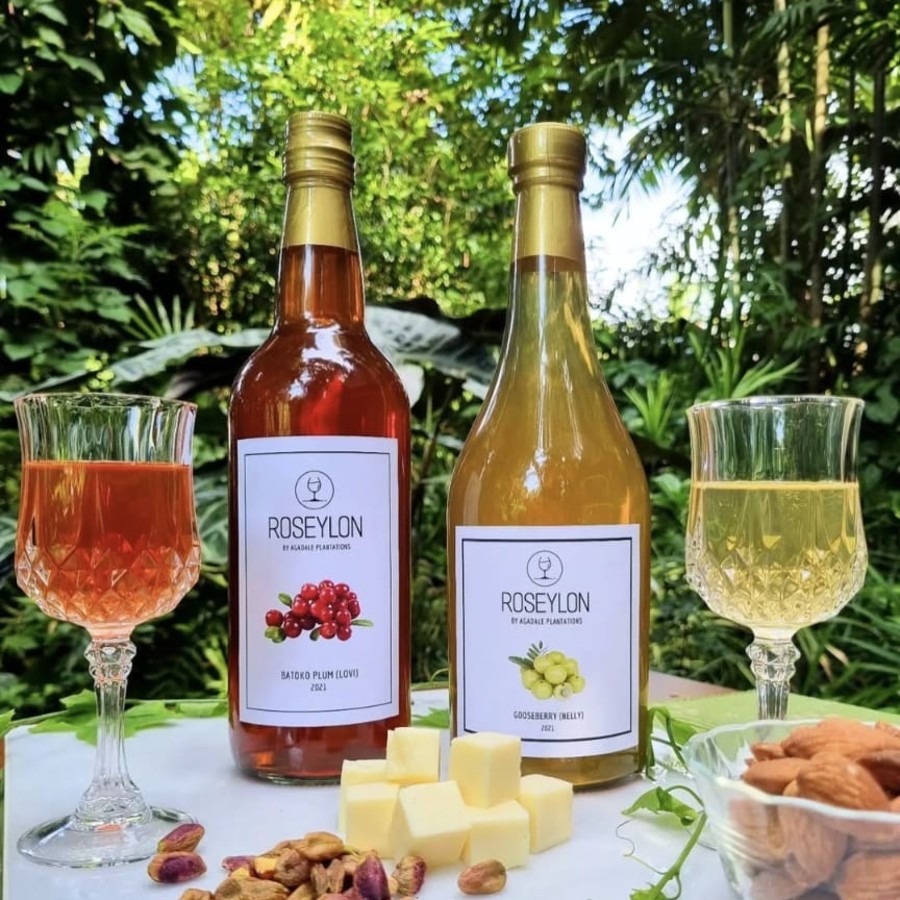
Agadale Plantations produces affordable natural food products in Sri Lanka, reduces dependence on imported goods, and strengthens the local economy. They offer small-batch jams, chutneys, condiments, and sauces under their Jessi’s Kitchen brand and lovi wine and nelli wine under their Roseylon brand. Agadale maintains affordable prices by reducing intermediaries and sourcing ingredients directly from their own land, local home gardeners, and small-scale farmers. They prioritize environmentally responsible packaging that can be sterilized and reused. Agadale supports families and communities affected by natural disasters or unexpected hardship and contributes to initiatives that promote sustainable livelihoods and environmental protection.
Kaduwela, Sri Lanka
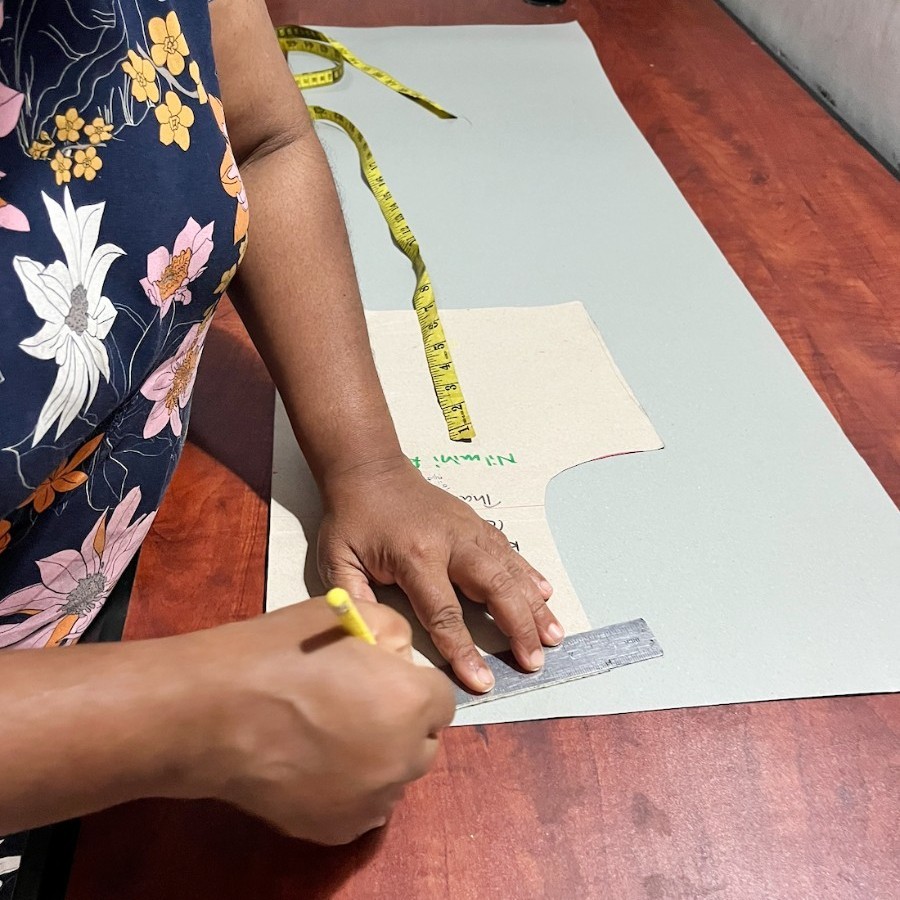
NIMORA designs and produces clothing and creates flexible livelihood opportunities for local women in Sri Lanka. They offer dresses, shirts, pants, and skirts made from natural cotton and linen fabrics suitable for the island’s warm climate. NIMORA reduces textile waste through small-batch production, limited sampling, made-to-last designs, and upcycling. They support home-based seamstresses through ongoing orders, flexible work, and fair pay above local industry rates. The NIMORA Pre-Loved program promotes circular fashion by reselling, repairing, or repurposing gently-used garments returned by customers.
Middeniya, Sri Lanka
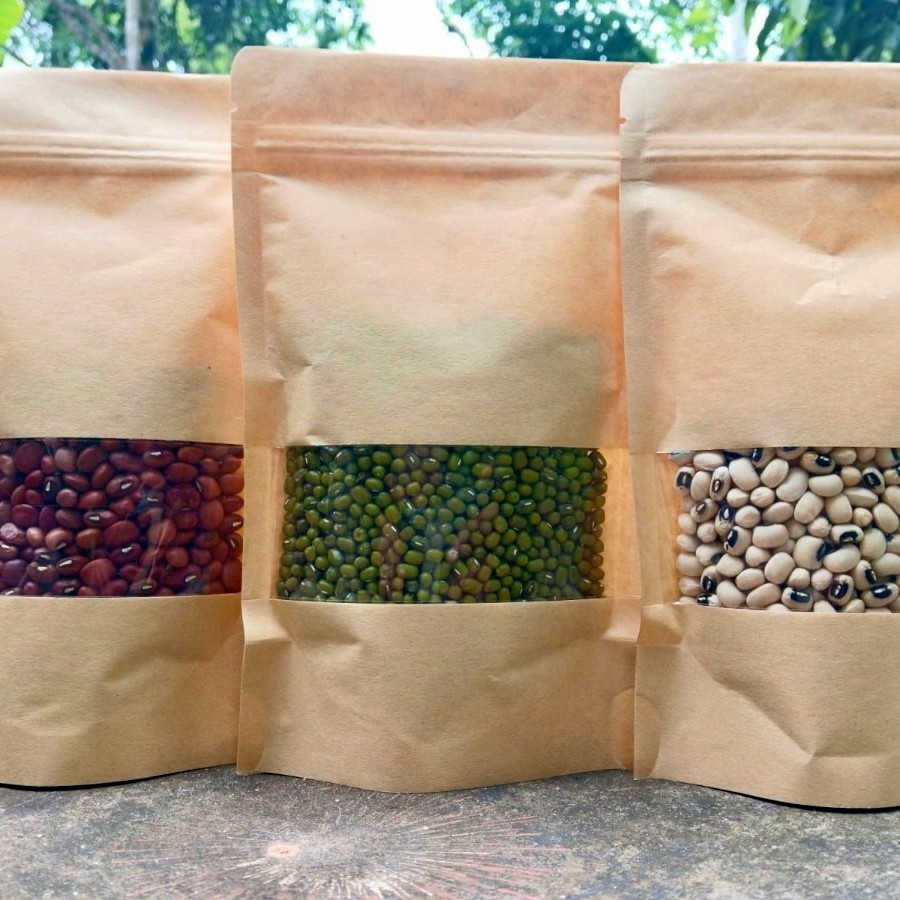
Veylora produces healthy, natural, whole foods and supports rural livelihoods in Sri Lanka. They offer whole and split mung bean, red cowpea, white cowpea, and dried freshwater fish from Udawalawe. All products are sourced directly from village farmers and fishermen and carefully cleaned and processed to reduce post-harvest losses and food waste.
Know an initiative that’s good for people and good for the planet? Encourage them to get involved! www.goodmarket.global/apply.