
Welcome to Good Market Info!
Click the logo to return to the Good Market app
Welcome to Good Market Info! Click the logo to return to the Good Market global app.
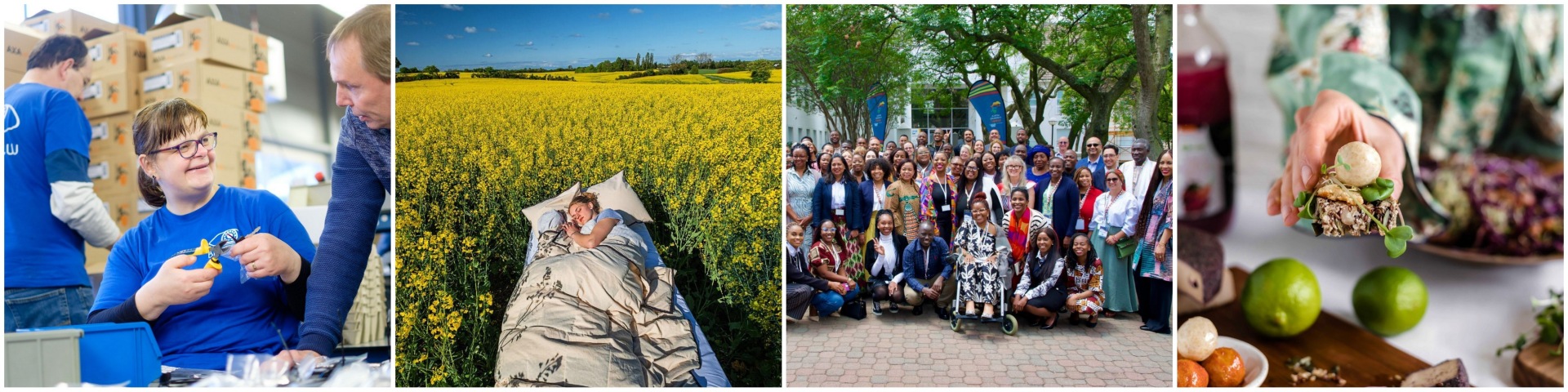
Welcome to the 83 social enterprises, cooperatives, responsible businesses, community initiatives, and networks that became Good Market approved in March 2026! This month’s roundup includes new members from South Africa, Nigeria, Portugal, Spain, England, Scotland, the Netherlands, Denmark, Norway, Sweden, Finland, Estonia, Latvia, Slovakia, Slovenia, Croatia, Bosnia, Montenegro, Serbia, Romania, Moldova, Greece, Bulgaria, Georgia, Sri Lanka, Australia, Argentina, and the United States. You can see half of them below. Part 1 is here. More than 5,211 enterprises across 130 countries are now part of the Good Market commons. ❤️
Nijmegen, Netherlands
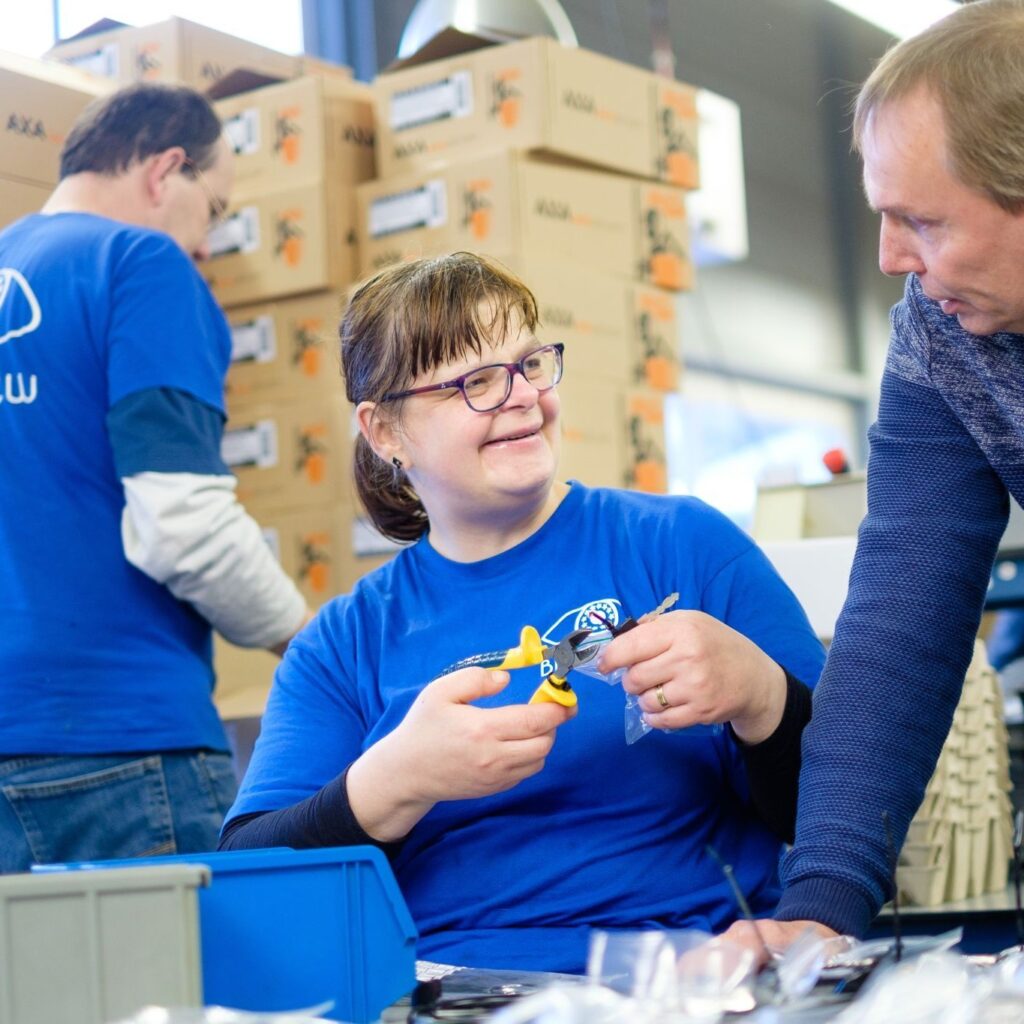
BlueView provides commercial manufacturing services and creates sustainable and meaningful work for people facing barriers to employment in the Netherlands. They produce, assemble, test, and pack semi-finished and finished products for clients across multiple locations. Their in-house expertise enables them to design and set up new production lines for clients as needed and quickly scale impact. BlueView collaborates with employment agencies and municipalities to recruit people in need. They offer tailored support, a buddy system, accessible and adaptable workspaces, and communication customized to individual needs. BlueView contributes to local policy objectives regarding labor participation and inclusion and participates in networks focused on social entrepreneurship and social innovation. They have a self-sustaining model with no financial support or subsidies from external parties.
Starčevo, Serbia
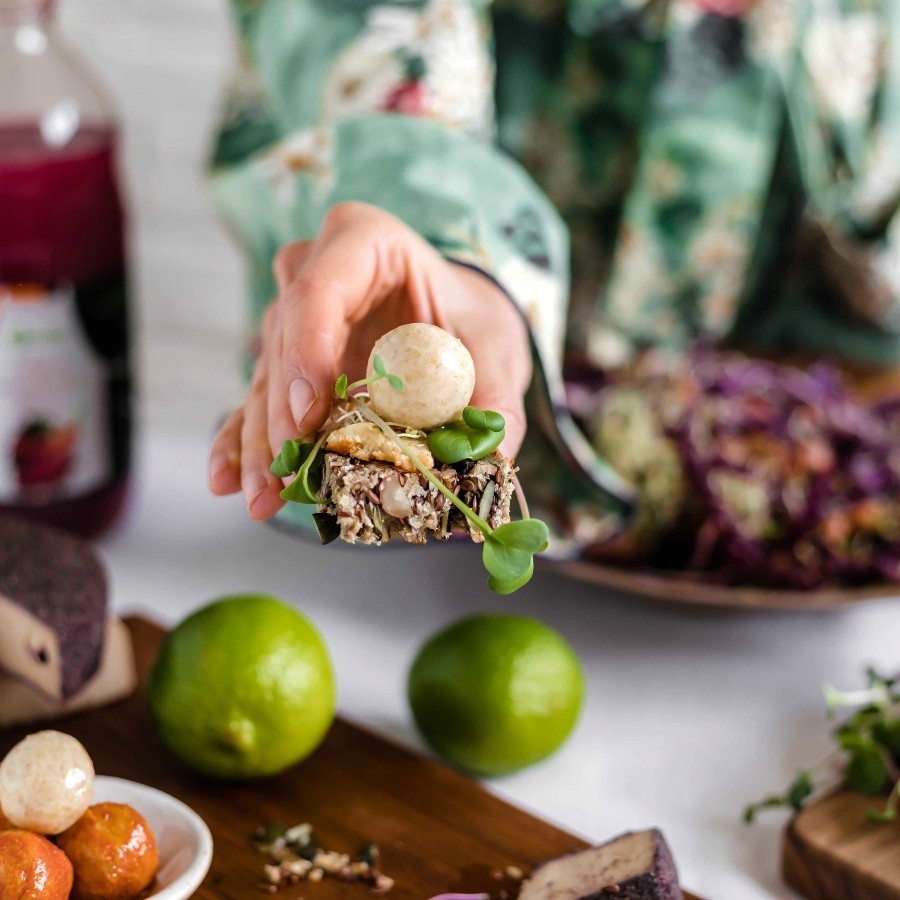
Grina produces natural, wholesome food in Serbia, supports wellbeing, and encourages healthier eating habits and greater consumption of nutrient-dense plant foods. They offer fresh sprouts, microgreens, wheatgrass, juices, fermented plant-based cheese, and other functional foods. Grina uses glass packaging with metal lids and offers a collection service for reuse or recycling. They minimize disposable materials, reduce water use through controlled growing conditions, and limit energy consumption by using natural daylight and efficient equipment. Their growing substrates are composted and returned to the production cycle as organic inputs. Grina contributes to community wellbeing by organizing educational workshops for schoolchildren and children with developmental disabilities and donating money, products, and services to associations and individuals in need.
Cape Town, South Africa
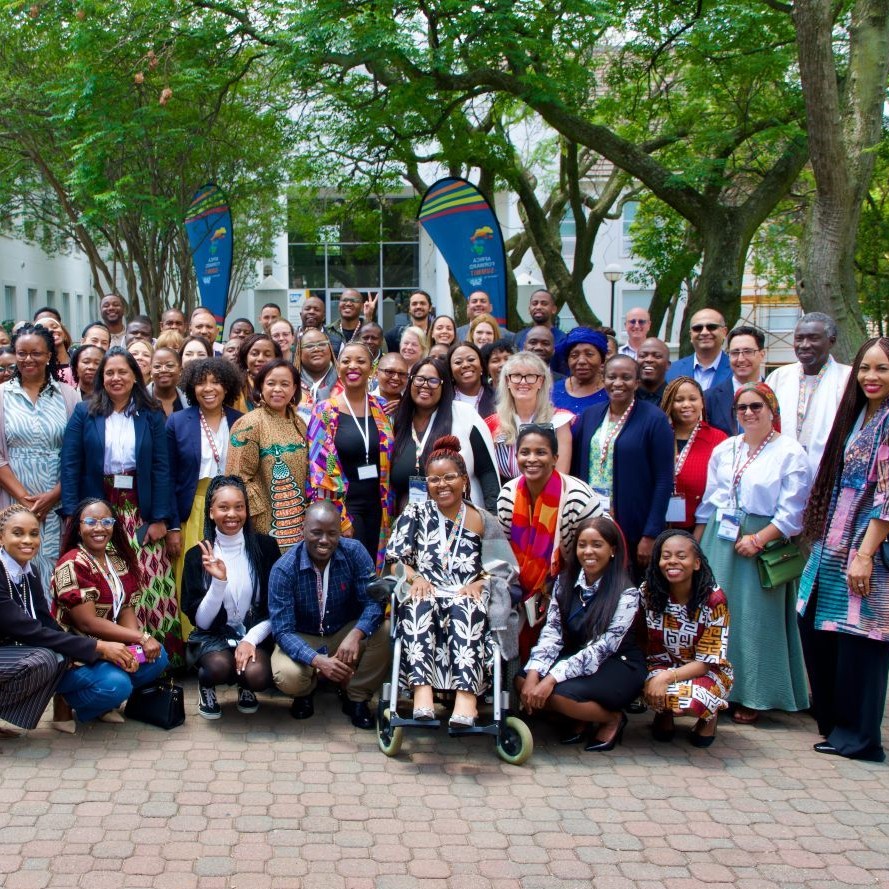
Africa Forward works to strengthen the social innovation ecosystem and support the growth of social enterprises across the African continent. They conduct research and data analysis, advocate for enabling policies, support sustainable finance mechanisms, and create linkages to drive job creation and measurable impact. Their convenings, events, and tailored workshops bring together social innovators from across Africa to foster meaningful connections, knowledge exchange, and collaboration. Africa Forward focuses on creating accessible platforms for social innovators who are often overlooked and under-resourced. They ensure African women and African youth have access to opportunities, resources, networks, and inclusive spaces that enable them to grow and thrive. Africa Forward operates as a not-for-profit organization and reinvests all surplus towards their mission. They are a member of Catalyst Now.
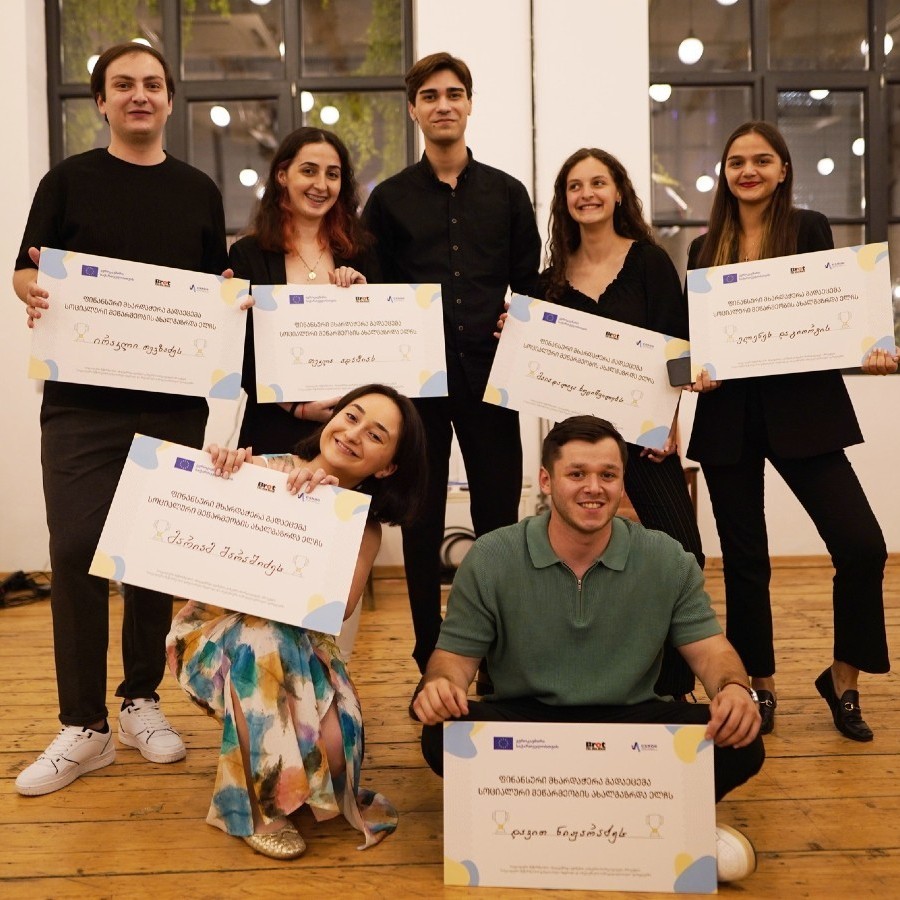
T’bilisi, Georgia
Centre for Strategic Research and Development (CSRDG) was established in 1995 to promote good governance, stable and inclusive economic development, and an active civil society in Georgia. They create a conducive environment, strengthen trust, and develop the capacities of civil sector organizations through consultation, training, education, and financial and technical support. CSRDG also promotes consumer rights protection, corporate social responsibility, and social enterprise development. They advocate for local self-government and decentralization reforms, cooperation between the government and the civil sector, and participation in regional policy development initiatives. CSRDG is a member of Social Enterprise Alliance Georgia, Impact Europe, and the European Social Enterprise Monitor (ESEM) consortium. They are a not-for-profit organization and reinvest all surplus towards their mission.

Vig, Denmark
RestfulBlanket provides people with a dysregulated nervous system a safe, non-medical path to better sleep and a greater sense of calm in everyday life, and creates meaningful employment opportunities for people in Denmark who face barriers in traditional labor markets. They design and produce weighted blankets that reduce anxiety, stress, restlessness, sensory overload, and general sleep disturbances. Their blankets are made from unbleached organic cotton, filled with heat-treated rapeseeds, and provide a natural, local alternative to imported products made from plastic and synthetic materials. RestfulBlanket hires people living with psychological vulnerability, neurodivergence, trauma, anxiety, or chronic stress and offers a calm, structured, and inclusive working environment with flexible pacing, clear daily structure, and consistent mentoring from a dedicated contact person. They build partnerships and raise funds so they can provide weighted blankets and support to crisis centers, domestic violence survivors, veterans, and other vulnerable groups. RestfulBlanket is a member of Sociale Entreprenører i Danmark.
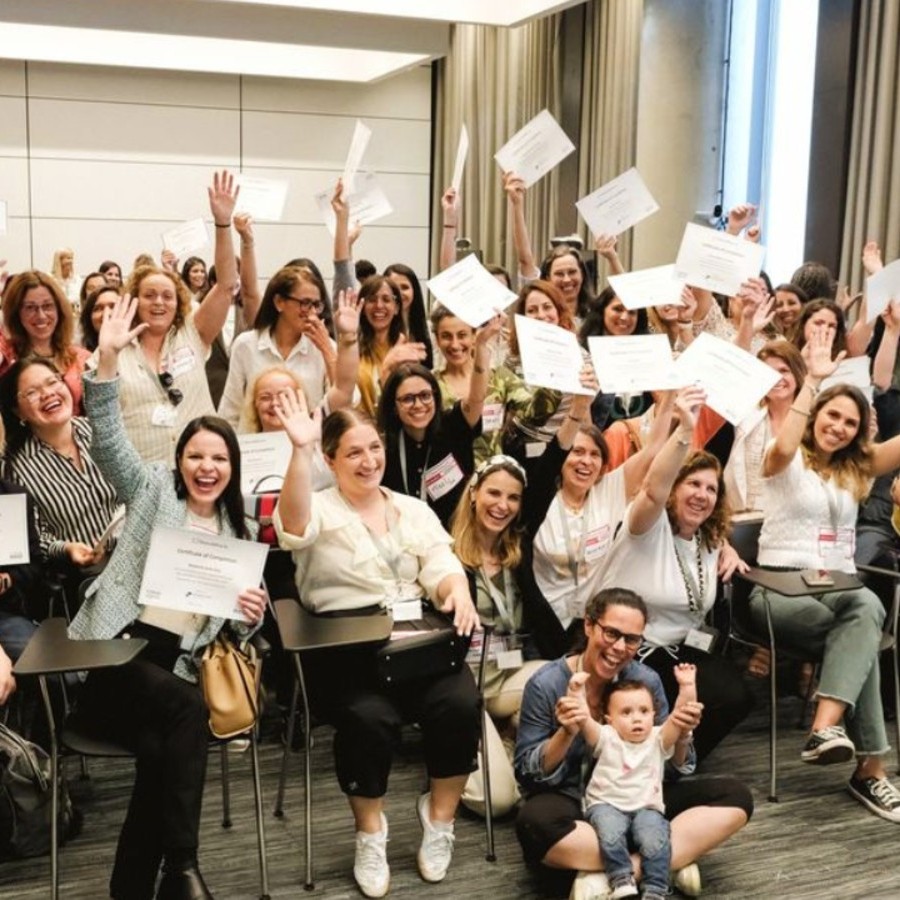
Algés, Portugal
NoCode Institute helps non-technical transitioning professionals in Portugal reskill, relaunch their careers, and become more employable in the digital economy. They equip students with no-code technical skills through fast-track micro-courses, foundation bootcamps, specialization courses, and professional certifications. Their career coaches support students in their job search and connect them with global companies hiring for remote roles. NoCode Institute training programs are certified and accredited by Direção-Geral do Emprego e das Relações de Trabalho, Continuing Professional Development (CPD), Education Quality Accreditation Commission (EQAC), Accreditation Council for Training and Development (ACTD), and the European Association for the Education of Adults (EAEA). They offer free and discounted programs for underprivileged groups. NoCode Institute is a certified B Corporation and a member of Casa do Impacto.
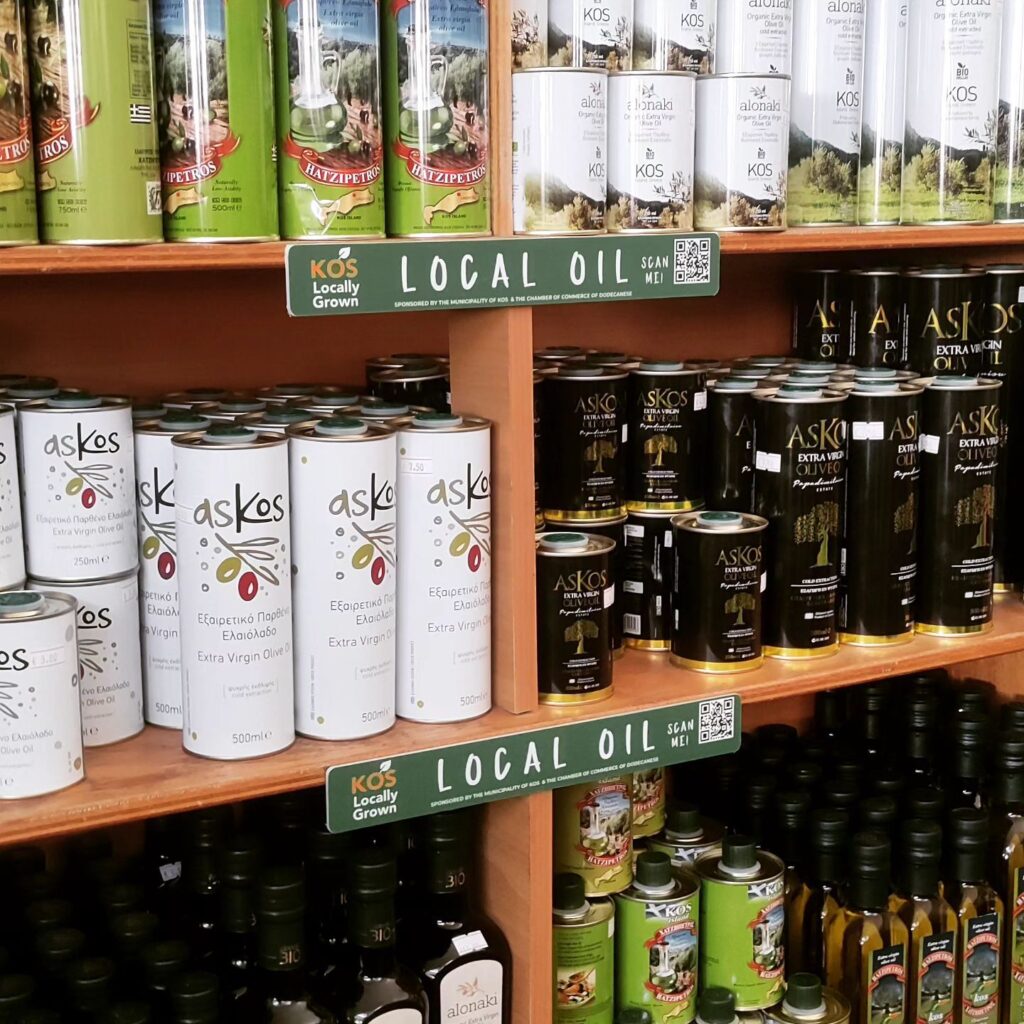
Kos, Greece
Kos Locally Grown supports local producers on the island of Kos and helps ensure their sustainability in the face of mass tourism, changing island conditions, the decline of young people in the primary sector, and loss of local identity. Members benefit from product visibility and promotion, QR code integration, connections with restaurants and points of sale, storytelling, and participation in a collaborative network. Visitors benefit from being able to find local olive oil, wine, cheese, honey, fruits, vegetables, and other products through shops, restaurants, and the Kos Locally Grown website. They can also access guided tours, tastings, and workshops. Kos Locally Grown strengthens the local economy, promotes conscious consumption, reduces the environmental impact of long-distance transport, and encourages the transition to sustainable farming practices and environmentally responsible packaging. They collaborate with the local citizen movement Sustainable Kos.
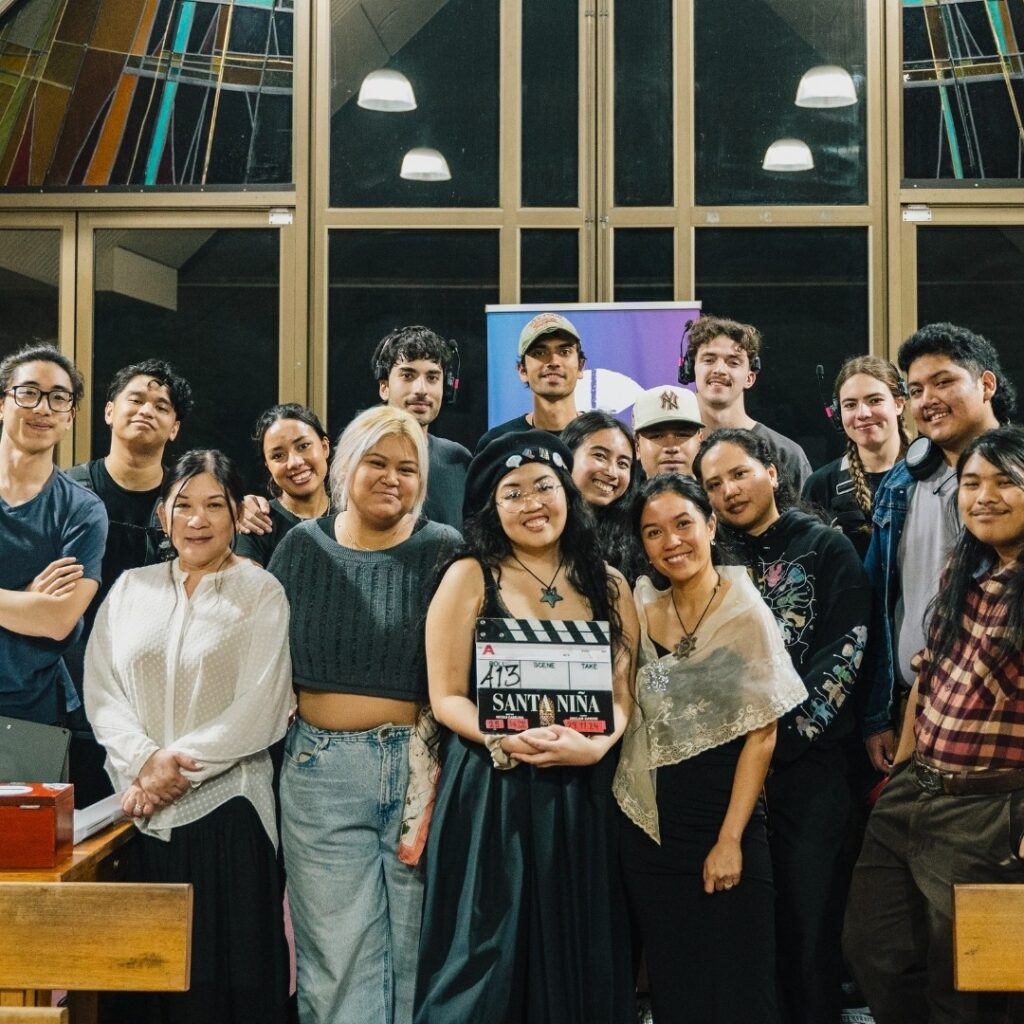
Fairfield, New South Wales, Australia
CuriousWorks nurtures the ideas and the potential of art makers and future cultural leaders in South West Sydney, Australia. They engage with artists, communities, and partner organizations to create, commission, and present new screen works, digital media, and emerging art forms that speak to local lived experiences. CuriousWorks offers professional multimedia and community engagement services and delivers creative workshops that increase community creativity, collaboration, and social bonding. They support skills development and employment pathways for young people and early-career artists by pairing them with experienced artists in paid work opportunities. CuriousWorks is a Social Traders Certified Social Enterprise and a member of Western Sydney Arts Alliance and Social Enterprise Council of NSW & ACT (SECNA). They reinvest all surplus towards their mission.
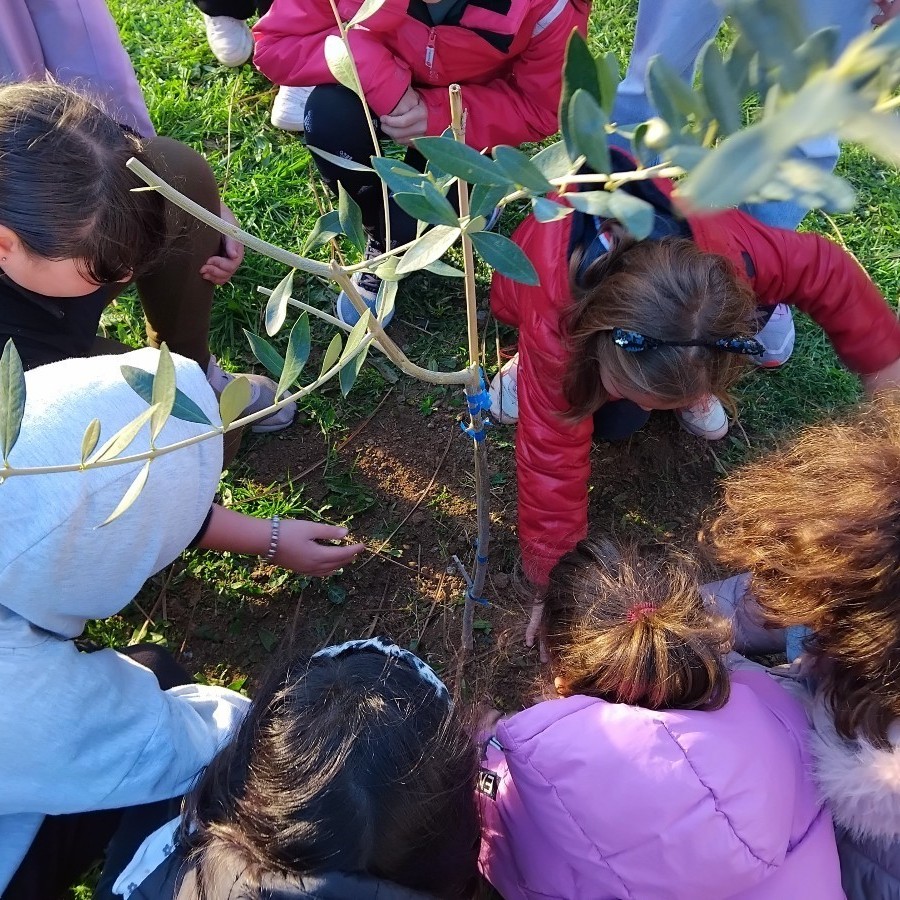
Nees Pagases, Greece
zVolos cultivates resilience through farm-based programs in Volos, Greece. They manage land plots that owners are unable to maintain, cultivate and process agricultural products like extra virgin olive oil, almonds, lemon zest, pickled artichokes, and walnuts, return part of the production to the landowners, and use the surplus to partially fund experiential learning programs. zVolos offers seminars, organizes workshops with local schools and community centers, and hosts creative picnics and educational games at the farm. They provide capacity-building programs for newly established community organizations with shared values. vZolos has compost toilets, rainwater harvesting systems, and solar panels, upcycles available materials, and uses agroecological practices with no synthetic agrichemicals. They are a social cooperative enterprise.
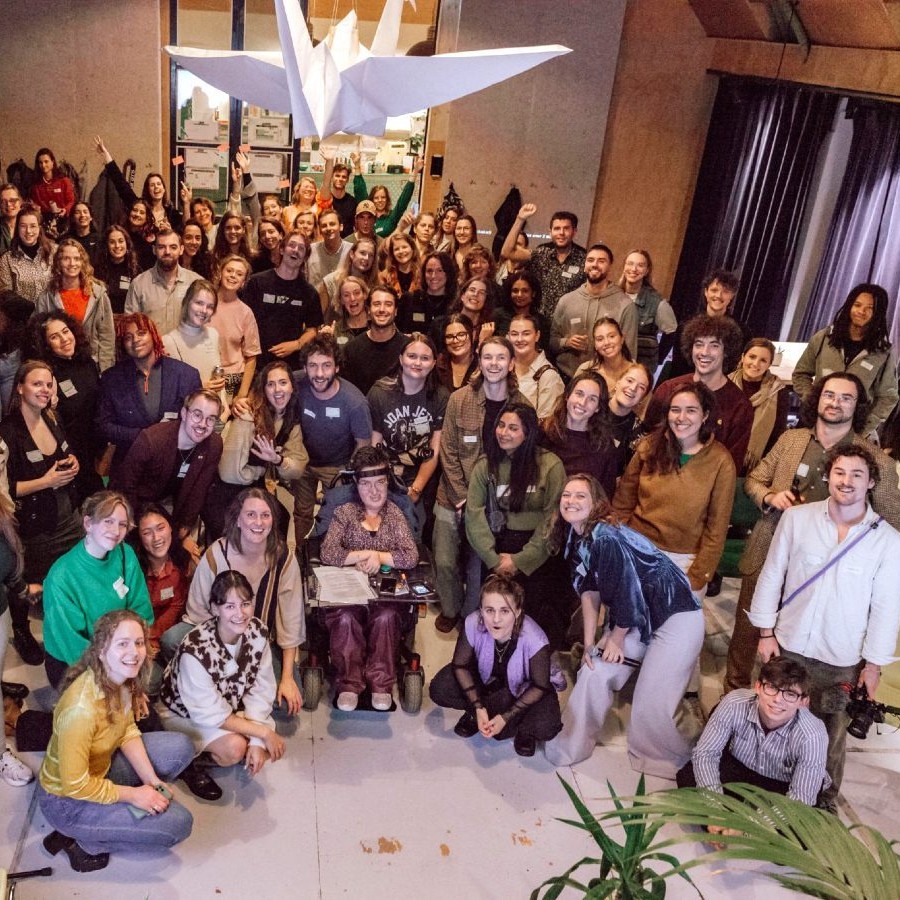
Amsterdam, Netherlands
Starters empowers young people, professionals, and networks in the Netherlands to build a sustainable, fair, and future-proof society. Their youth training programs and inspiration days focus on impact entrepreneurship, personal development, identity, and purpose. Their programs for intrapreneurs, civil servants, and other professionals include changemaker mindsets, leadership development, design thinking, system thinking, and transition management. Starters facilitates alumni networking events, partner connections, and community building. They organize impact coalitions for cross-sector challenges like developing inclusive labor markets and a circular economy. Starters is a member of Social Enterprise NL and is registered under the Code Sociale Ondernemingen.
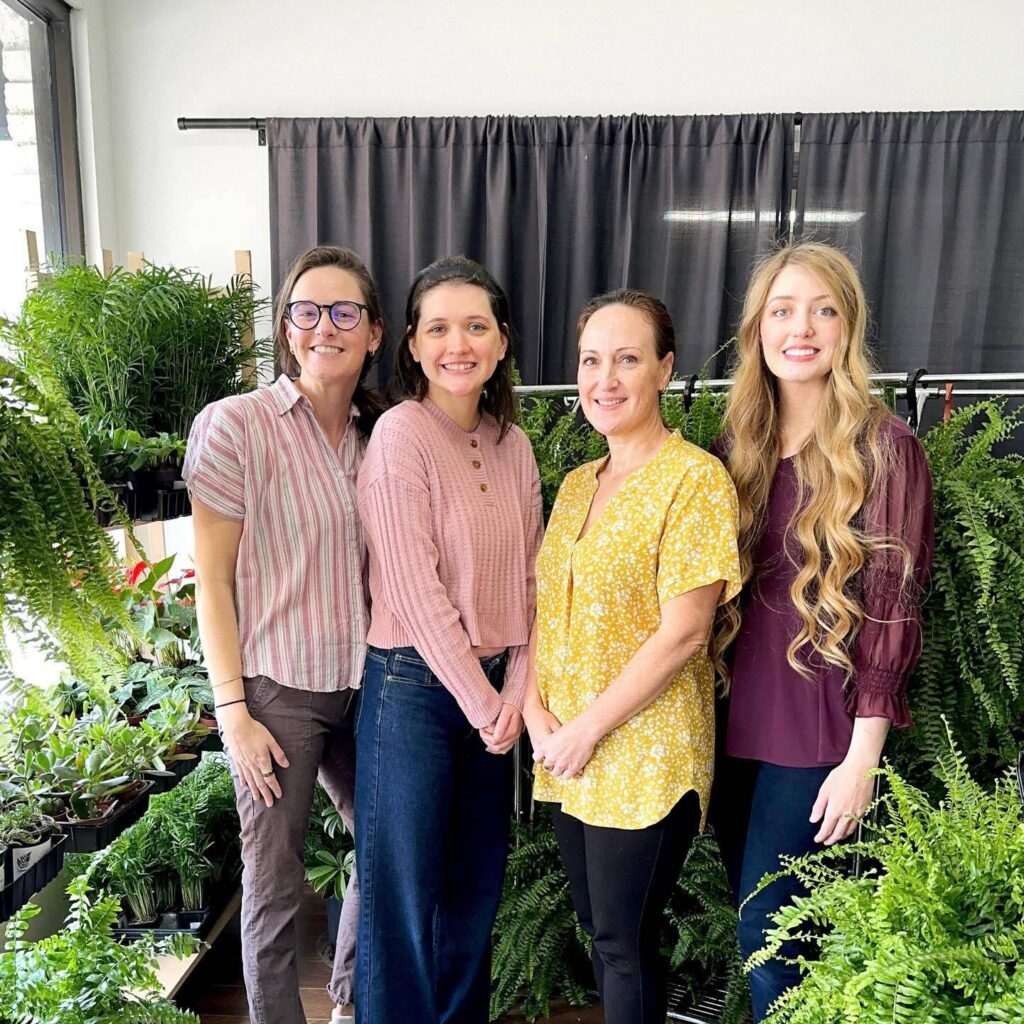
Lawrenceburg, Tennessee, United States
Jubilee Trading Company creates sustainable, life-changing work through global fair trade partnerships and local employment in Tennessee. They offer plants, home products, handcrafted leather goods, and accessories from their Lawrenceburg storefront and through online retail and wholesale channels. Jubilee Trading Company works with skilled artisans in Morocco and Kenya to design and produce vegetable-tanned leather products with fair wages, safe working conditions, reliable income, and environmentally responsible practices. In rural Tennessee, they partner with local agencies, offer a job readiness program for domestic abuse survivors, and hire women who face employment barriers. Their Lawrenceburg shop hosts free community workshops and events, and their Kenyan workshop is used as a community center for gatherings, medical camps, and other local community needs. Jubilee Trading Company is Powered by People Verified and a verified member of Fair Trade Federation. They are a 501(c)3 not-for-profit and reinvest all surplus towards their mission.

Pula, Croatia
Kasheta helps companies in Croatia and Slovenia incorporate biodegradable packaging into their operations to reduce plastic waste. They offer environmentally responsible boxes, bags, wrapping paper, paper bubble wrap and filling, cards, envelopes, plastic-free stickers, labels, tape, and more. Kasheta also provides branding and design services and customized solutions to help every brand transition to more sustainable practices.
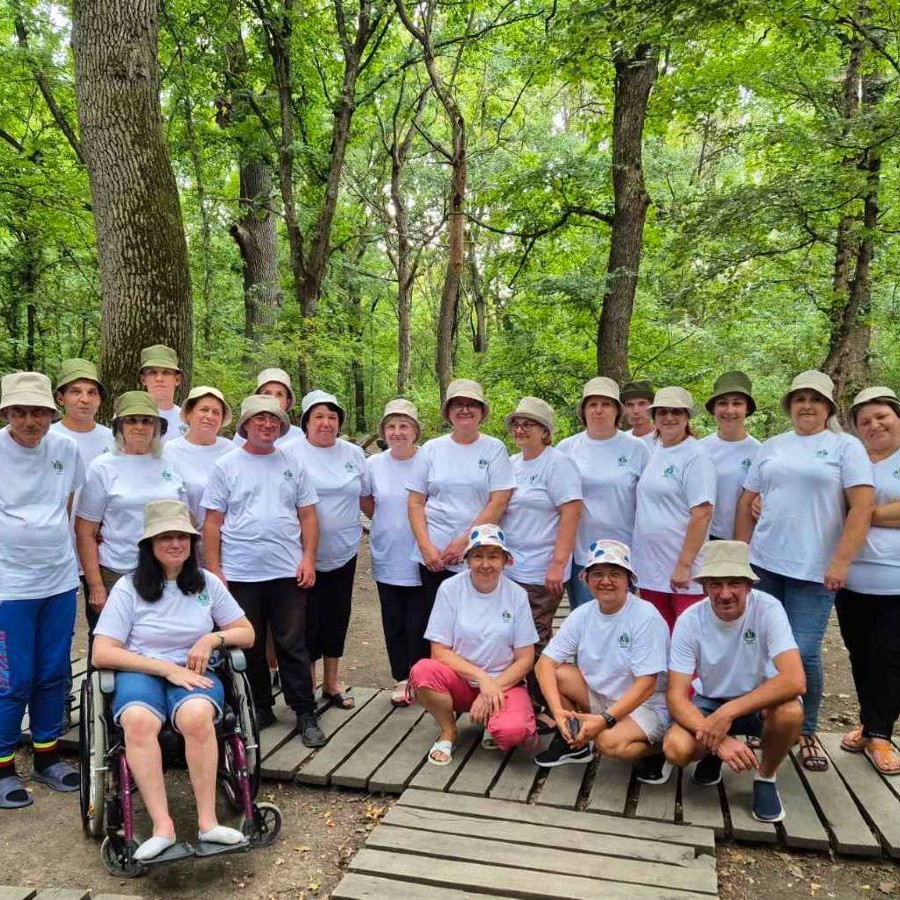
Bălți, Moldova
Credem-Eco provides catering services and creates job opportunities for people with disabilities in Moldova. They use natural ingredients to prepare custom menus for receptions, coffee breaks, buffets, banquets, and other events. Credem-Eco hires and trains people with disabilities and provides additional skill development and support services based on individual needs. They offer affordable food products for people on low incomes and donate hot lunches to people with disabilities and elderly people who have no one to care for them. Credem-Eco is a member of the Platform for the Development of Social Entrepreneurship (PDAS). They reinvest all surplus towards their mission.
Zwolle, Netherlands
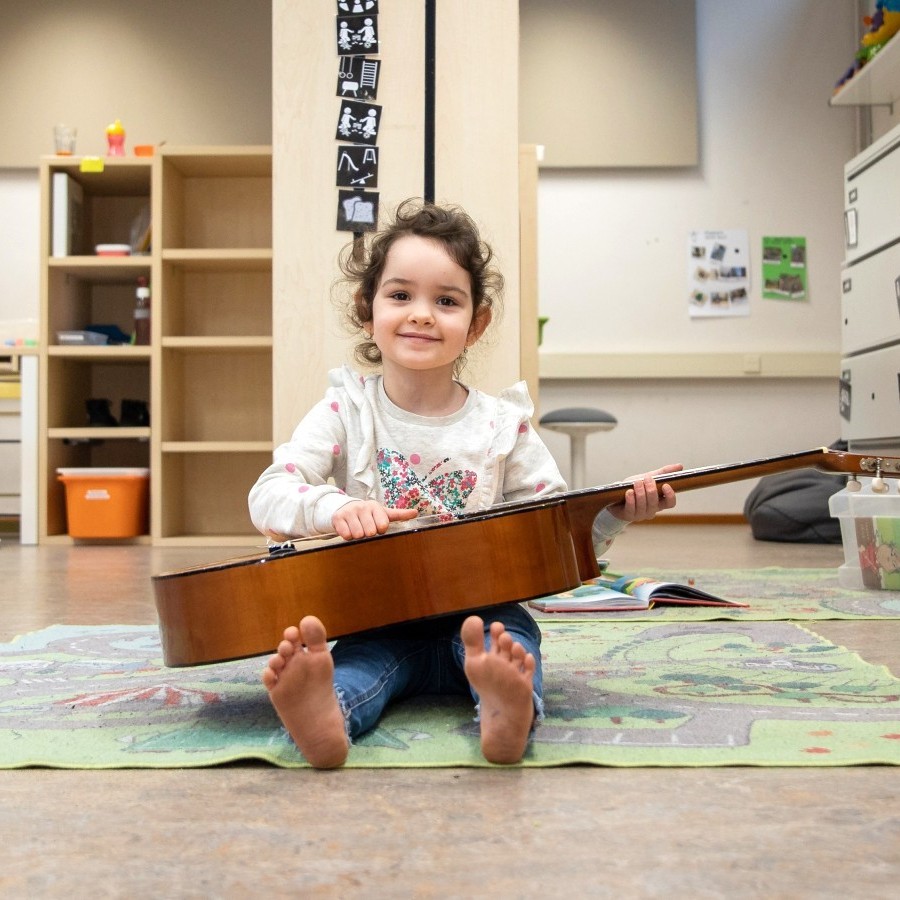
autismehuis helps children and families stuck in complex autism-related situations in Zwolle find their way back into society. They focus on communication and language development, social skills, self-reliance, daily living skills, emotional regulation, and motor development, enabling children to gradually rejoin education or find a suitable follow-up placement. autismehuis also provides development-oriented group guidance in a small and safe setting for children with autism at risk of developmental stagnation due to stimuli, class size, or pace of learning in traditional school environments. They give back through free consultations and voluntary services. autismehuis is a member of Social Enterprise NL and Geloven in de Samenleving (GIDS) Netwerk.
Stockholm, Sweden
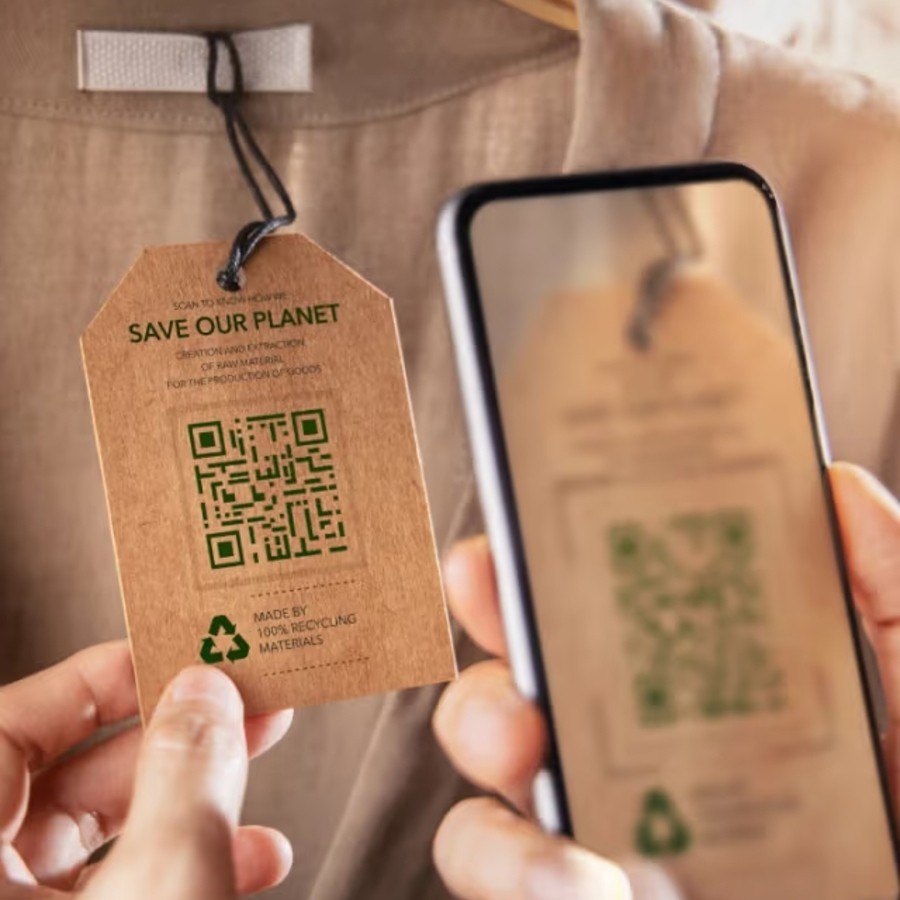
We Are Legacy connects women-led artisan communities to conscious customers through a transparent ecosystem that respects heritage and inspires sustainable living. They use smart digital tags and a blockchain-powered platform to share the stories behind handmade products, protect artisans’ intellectual property, create transparency, and document, trace, and verify sustainability, authenticity, and ethical work practices. Consumers can scan the QR code on the tag, learn about the artisans, materials, and heritage craft behind the product, and directly connect with makers. We Are Legacy offers materials, education, support, and free services for small-scale artisan communities.
Riga, Latvia
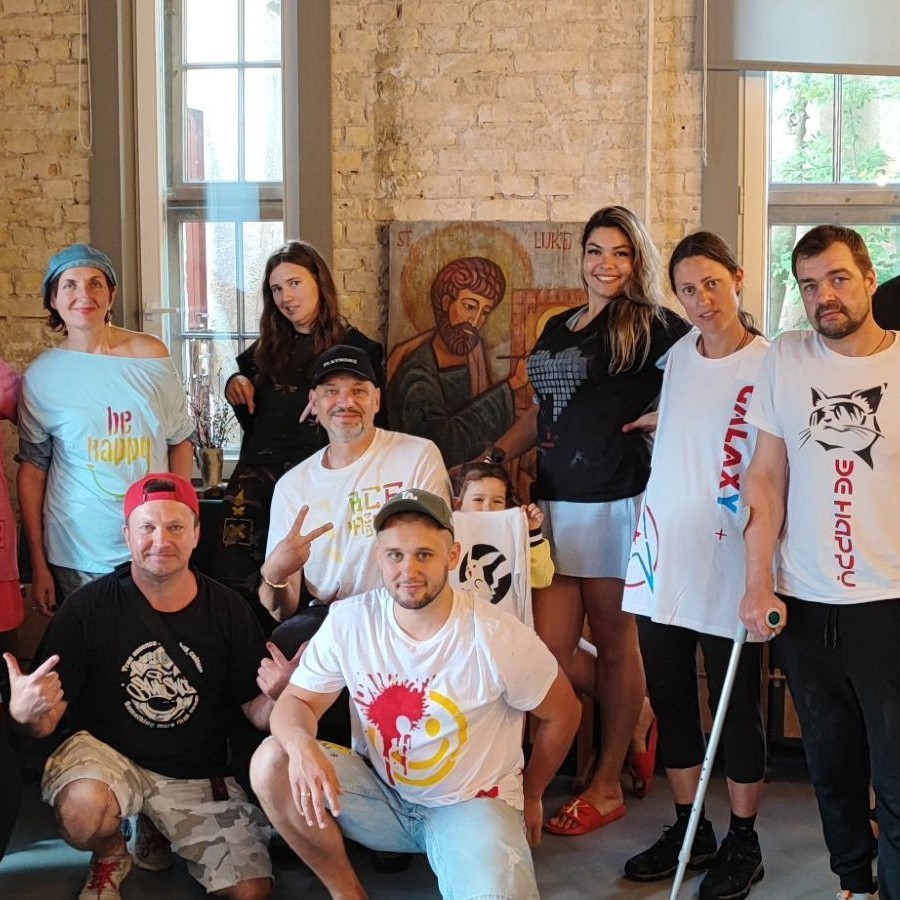
St Luke Group focuses on the reintegration, rehabilitation, and resocialization of former prisoners and their family members in Latvia. They provide post-sentence supervision, practical assistance with documentation, skills and abilities that help build a life free from crime and addiction, career growth and entrepreneurship consultations, employment referrals, psychological support, and spiritual care. St Luke Group organizes concerts, seminars, creative workshops, author evenings, and other cultural and leisure activities where participants can connect and socialize. They are a member of EAPN-Latvia Konsorcijs and Latvijas Sociālās Uzņēmējdarbības Asociācija (LSUA). St Luke Group reinvests all surplus towards their mission.

London, England, United Kingdom
Love to Swim helps people of all ages and abilities across East London learn to love to swim. They offer private and small-group swimming lessons for children and adults that build confidence, improve wellbeing, and support water safety and other essential life skills. Love to Swim also delivers a teacher training pathway and provides structured opportunities for people to gain skills, qualifications, and employment within the aquatics sector. They actively work to reduce barriers through partnerships and accessible programs, including targeted community outreach in areas with limited access to swimming facilities, specialized classes for children with autism, and female-only sessions with the option for modest swimwear. Love to Swim uses existing and underutilized pool spaces to maximize community resources while minimizing environmental impact. They are a Community Interest Company (CIC) and a member of Social Enterprise UK and Swim England.
Rīga, Latvia
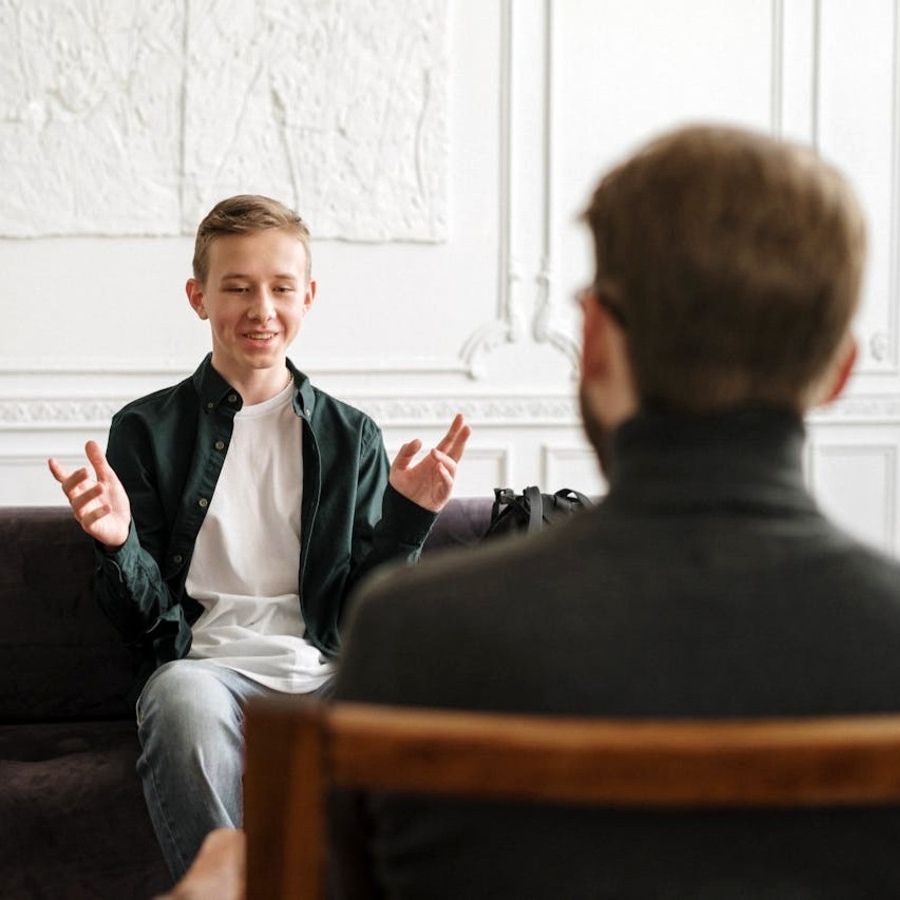
Mentālās Veselības Centrs helps men in Latvia deal with emotions, relationships, work and life pressures, and everyday stress to stabilize the nervous system, strengthen emotional regulation, and improve wellbeing. They offer support through men’s groups, neurofeedback sessions, lectures, and specialist consultations. Their support groups provide a safe space for men to talk openly and discreetly without judgment. Mentālās Veselības Centrs provides discounts to ensure inclusion.
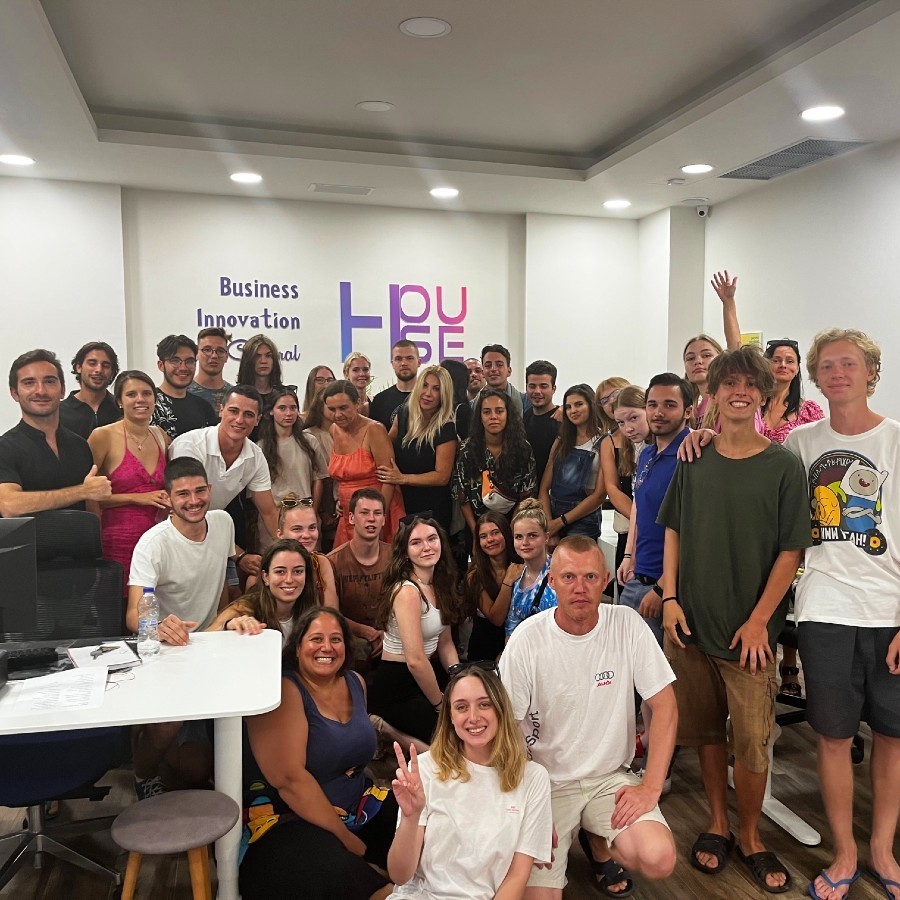
Kalamata, Greece
PHAOS strengthens local communities and economies in the Peloponnese region of Greece by creating opportunities for education, employment, entrepreneurship, and collaboration. They offer coworking spaces, organize events, conferences, and workshops, deliver training and educational programs, provide business consulting and support services, and coordinate networking and community-building initiatives. PHAOS contributes to local economic development by strengthening community connections and attracting digital nomads and remote workers to the region. They maintain accessible facilities and affordable pricing models and offer free educational programmes, workshops, and community activities to support young people, job seekers, and early-stage entrepreneurs. PHAOS is a member of the Greek Association of Women Entrepreneurs and Kalamata 2030.
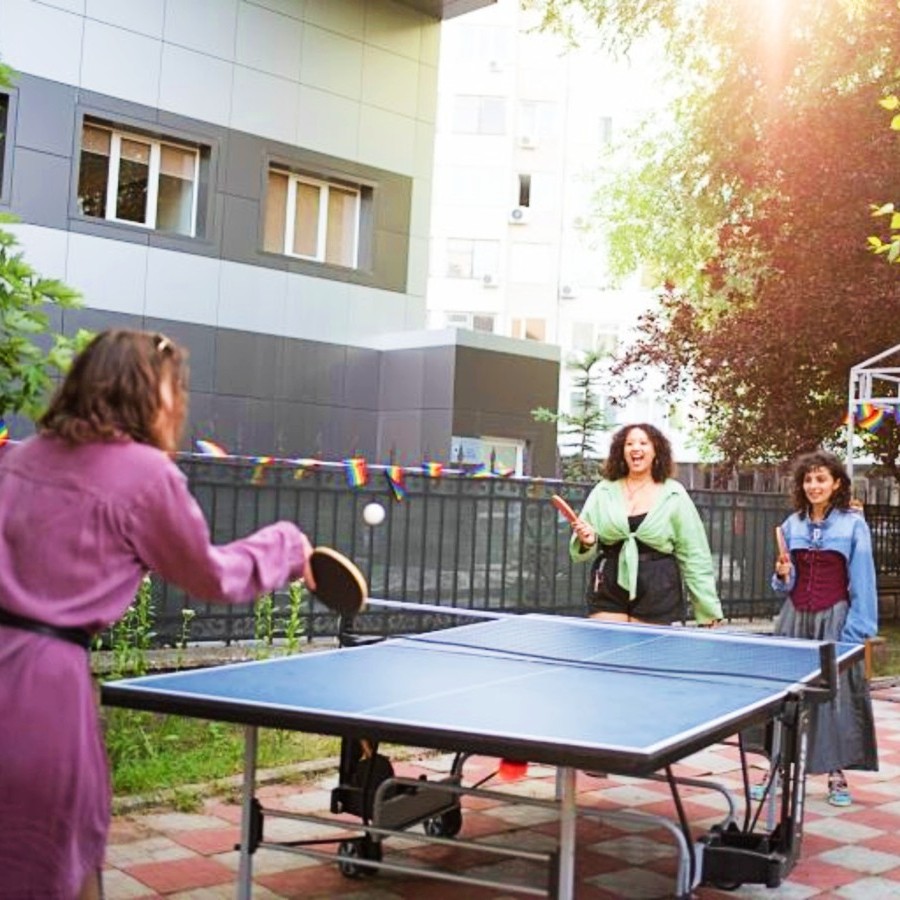
Chișinău, Moldova
Laolaltă develops projects and programs that promote citizen involvement in community mobilization and development, stakeholder cooperation, and equity and inclusion for underprivileged groups. They operate community centers, transform public spaces, assist refugees and displaced people, provide transport, legal, educational, medical, psychological, and childcare support, and organize events, public actions, cultural initiatives, and campaigns. Laolaltă collects clothing, toys, and other items to donate to those in need. Their În Torbă marketplace offers locally made products printed with messages that champion equality, diversity, and social justice. Laolaltă promotes local producers, reduces the carbon footprint associated with imported products, and raises awareness about social and environmental responsibility. They are a not-for-profit organization and reinvest all surplus towards their mission.
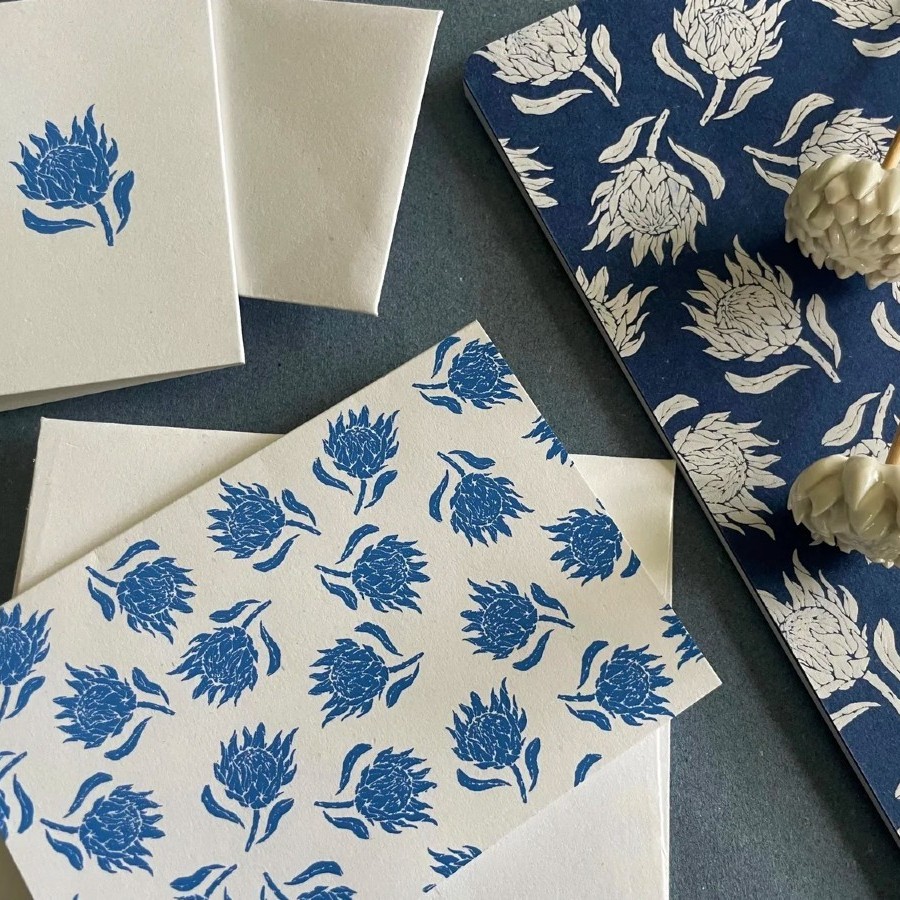
Bedford, New York, United States
Crescent Street Design offers tree-free cotton paper stationery in the United States that celebrates heritage and supports cultural and environmental sustainability. Their journals, notecards, gift cards, money envelopes, and other products are made in India from recycled textile waste diverted from landfills. Crescent Street Design produces every design in small batches and limited quantities to reduce waste. They donate a portion of sales to local food pantries and non-profit organizations.
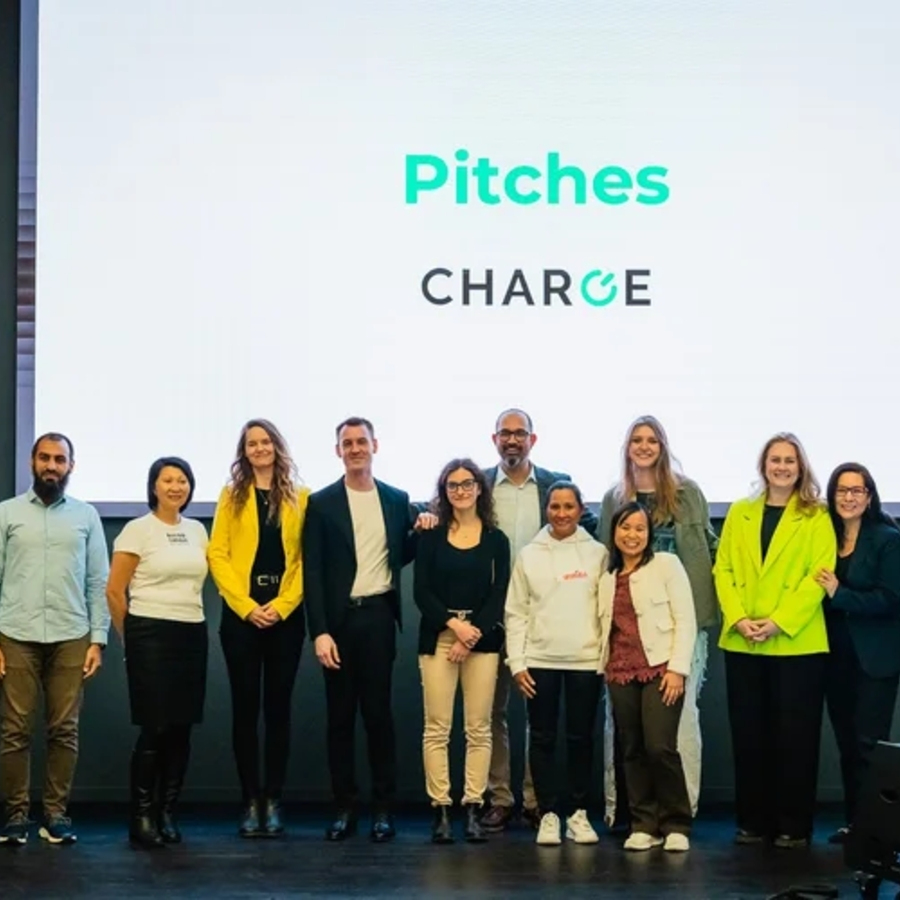
Oslo, Norway
CHARGE supports founders from underrepresented groups, reduces barriers to financing, expertise, and networks, and helps more people build impactful and sustainable businesses in Norway. They offer capacity-building programs, workshops, customized training, project advisory services, events, demo days, and networking platforms grounded in a practical, learning-by-doing approach. Their Changemaker incubation program combines mentorship and hands-on workshops to support early-stage founders through business development, sustainability integration, and market validation. Their LEAP investment readiness program equips founders with financial literacy, funding strategies, and practical tools to engage with investors. Their Fremtiden entrepreneurship course introduces students and aspiring changemakers to design thinking and social innovation. CHARGE ensures accessibility by delivering services in flexible, inclusive formats and offering free or highly subsidized programs for immigrants, refugees, women, and other underrepresented entrepreneurs.
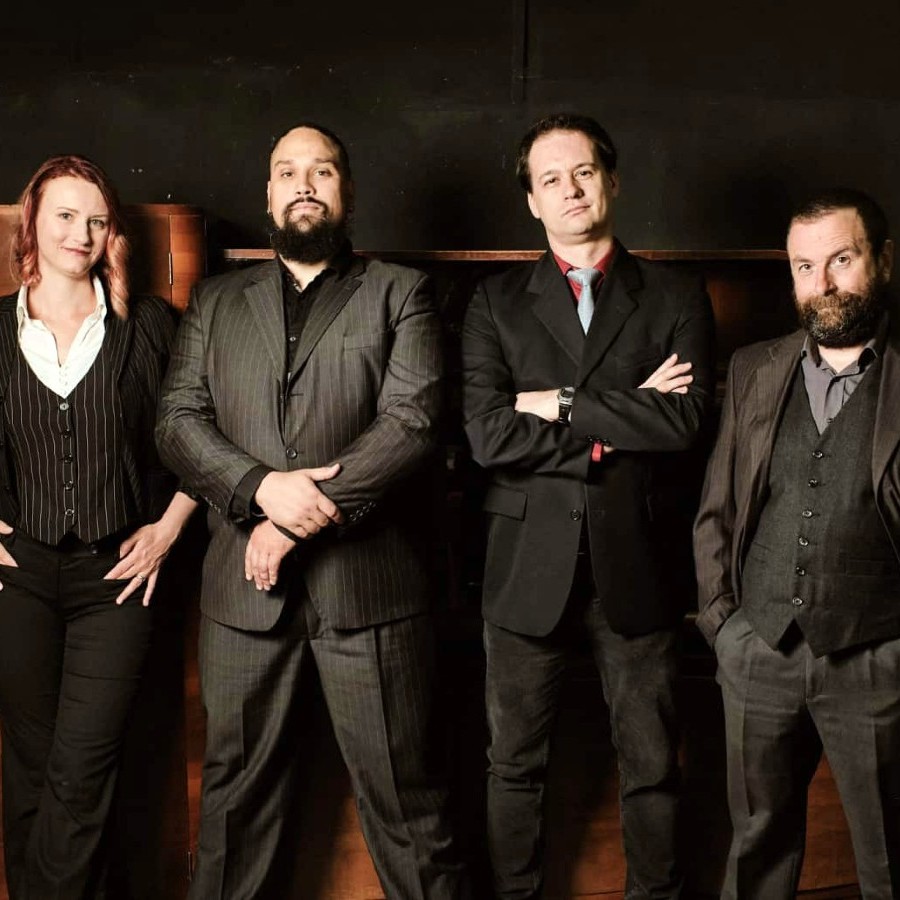
Manchester, England, United Kingdom
Altogether Human provides psychological services in the Manchester area with a focus on relationships, family wellbeing, and financial inclusion. They offer therapy and counseling for individuals, couples, families, and groups. Altogether Human also provides professional training, clinical supervision, consulting services, court assessments, and therapeutic work for families involved in court proceedings. They operate on a sliding scale and provide free and low-cost online courses and services. Altogether Human is a Community Interest Company (CIC) and a member of Social Enterprise UK.
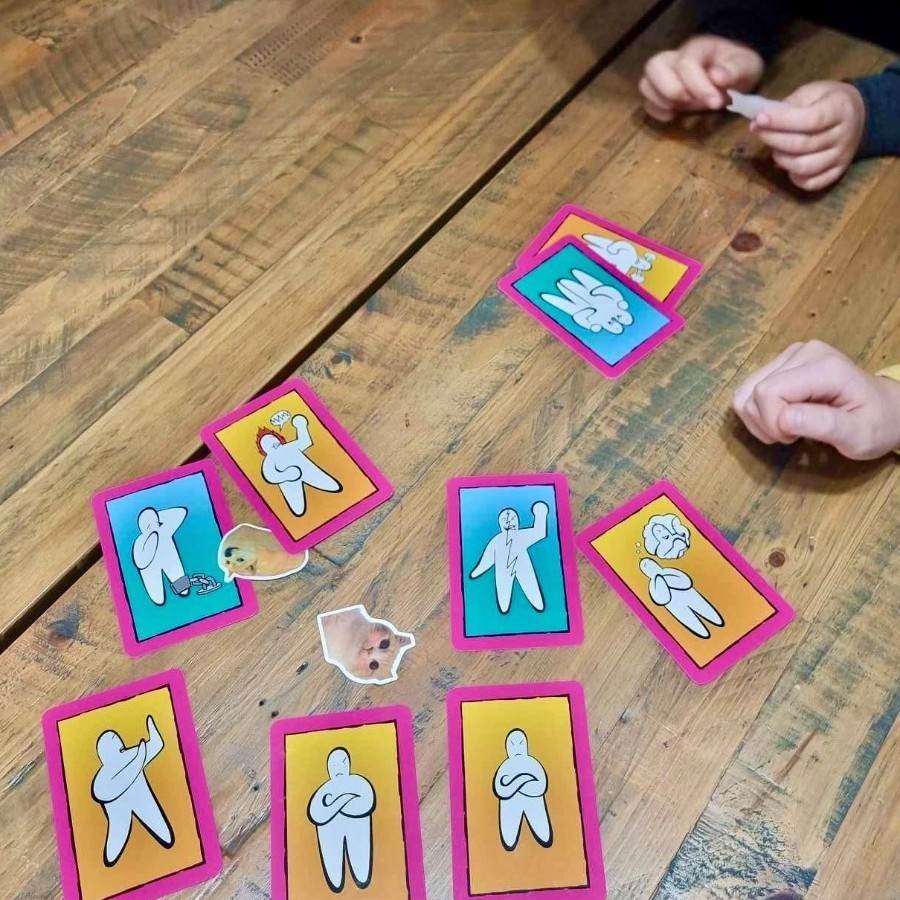
Zagreb, Croatia
Terrible Creations enhances the quality of learning and work, strengthens interpersonal relationships and collaboration, and contributes to the development of sustainable and inclusive communities in Croatia and beyond through innovative games and interactive experiences. They design and facilitate experiential learning workshops and games for education, work, and recreation that encourage active participation, empathy, and critical thinking. In a school setting, they increase student motivation and emotional engagement, in a workplace setting, they support the development of teamwork, communication, and creative problem-solving, and in a tourism setting, they foster a deeper understanding of local culture and places for travelers and the local community. Terrible Creations adapts the experience to each group to ensure participants with different abilities are able to take part and feel comfortable.
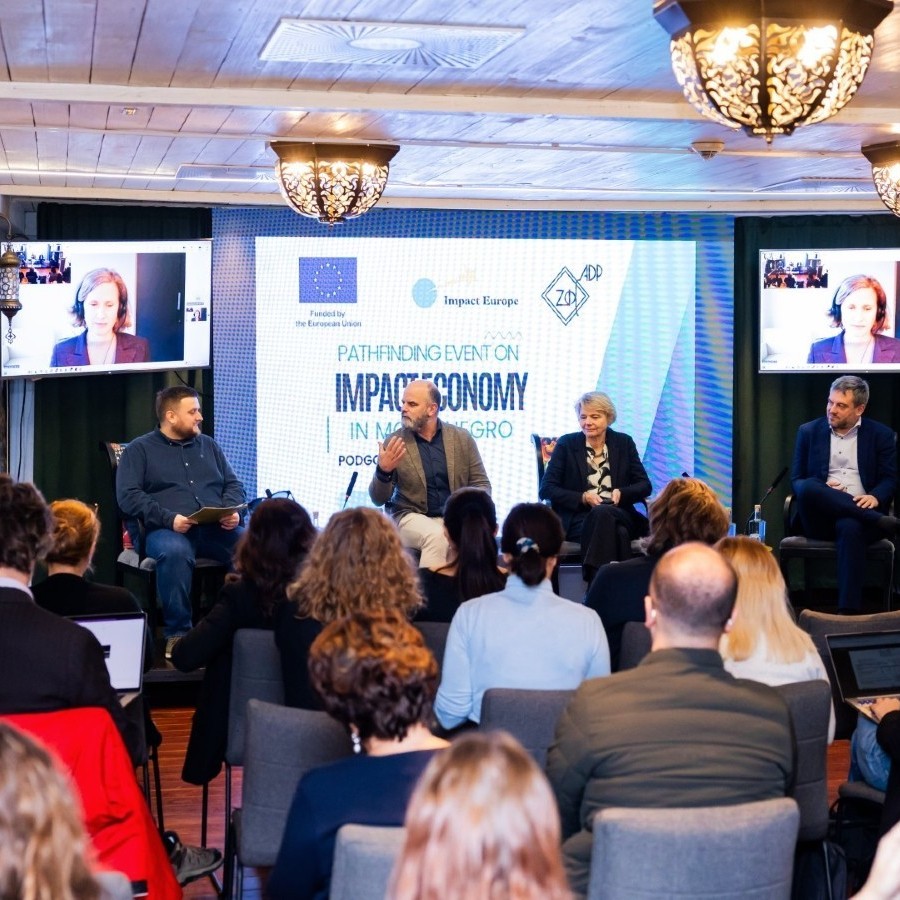
Podgorica, Montenegro
ADP-Zid Community Impact Accelerator was founded in 1996 to connect community development stakeholders, foster innovation, and promote citizen participation in Montenegro. They focus on capacity building, scaling solutions, and developing services that encourage job creation, sustainable development, and the transition to a green and circular economy. Their Center for Technology Transfer and Innovation Development is a business and technology incubator that provides human resources and infrastructure support for ideation, development, and prototyping of products and solutions. ADP-Zid also coordinates volunteer activities in support of community development and public policy transformation initiatives. ADP-Zid is a member of the Diesis Network, Impact Europe, European Network of Living Labs, the Points of Light Global Network, Habitat International Coalition, Good Deeds Day movement, International Association for Volunteer Effort, Service Civil International, and the European Social Enterprise Monitor (ESEM) consortium. They are a not-for-profit organization and reinvest all surplus towards their mission.
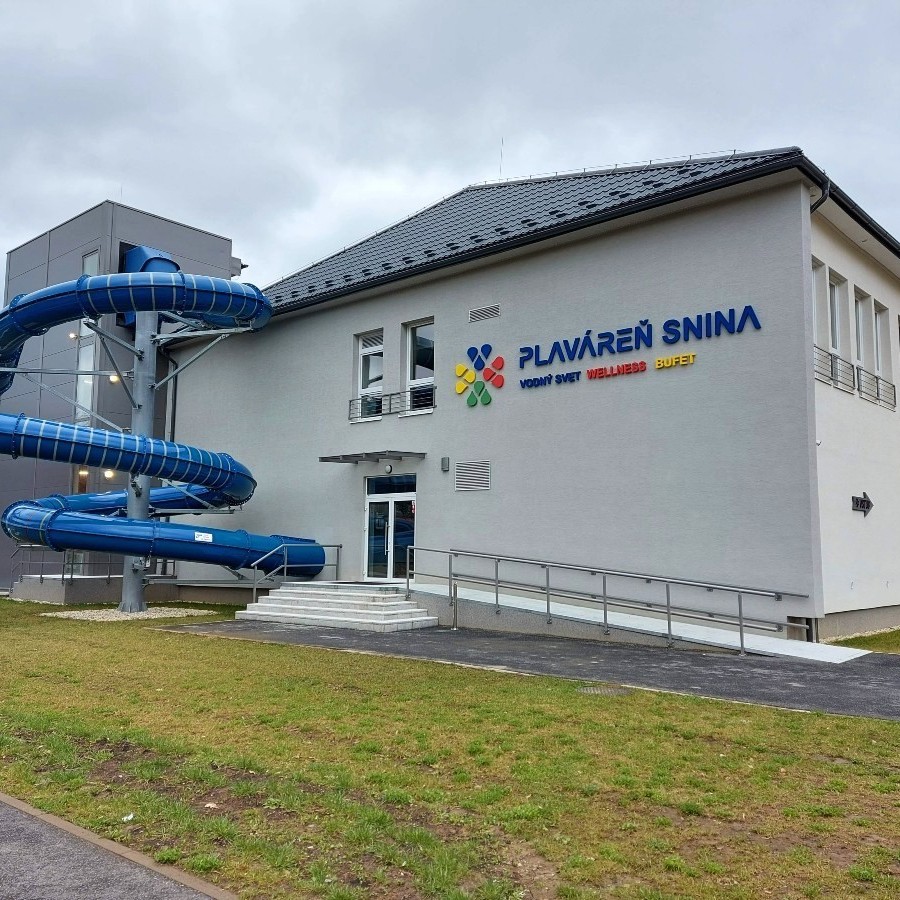
Snina, Slovakia
Mestský Podnik Snina manages municipal facilities, services, and projects, and creates jobs for disadvantaged and vulnerable people in need in Snina, Slovakia. They operate the local swimming pool, provide construction, maintenance, repair, landscaping, laundry, cleaning, and delivery services, and coordinate local craft production with a focus on traditional costumes and embroidery motifs. Mestský Podnik Snina is a registered integration social enterprise and a member of Aliancia pre Sociálnu Ekonomiku na Slovensku (ASES).
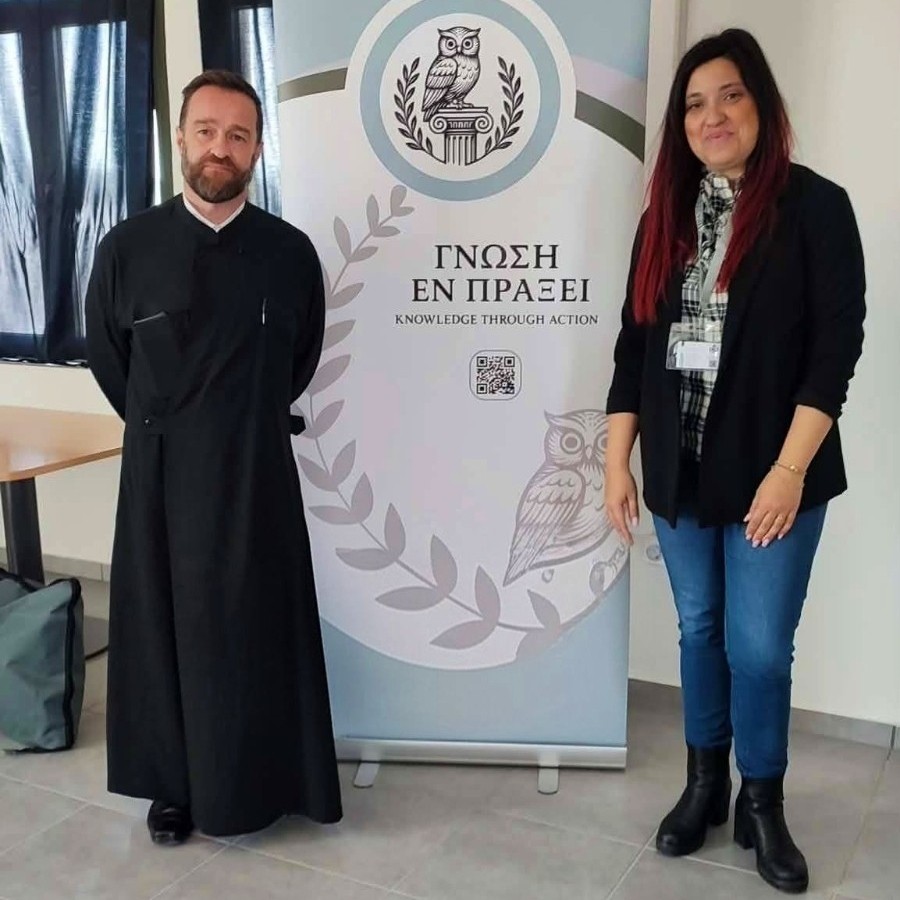
Rafina, Greece
Γνώση εν Πράξει | Gnosi en Praxei transforms knowledge into meaningful action, promotes lifelong learning, and develops initiatives in Greece that combine culture, tourism, the environment, and social cohesion. They organize thematic tours, guided local experiences, seminars, experiential workshops, and community-based events to connect visitors and local communities with history and cultural heritage. Gnosi en Praxei works with vulnerable and underserved groups, including at-risk youth, low-income urban and rural communities, people with disabilities, immigrants, and refugees. Services are provided at low or no cost for students, local residents, and community groups. Gnosi en Praxei sources from purpose-driven local suppliers, separates waste, prioritizes reuse and recycling, and minimizes resource use and energy consumption. They are registered as a not-for-profit civic company and reinvest all surplus towards lifelong learning, social inclusion, and sustainable local development.
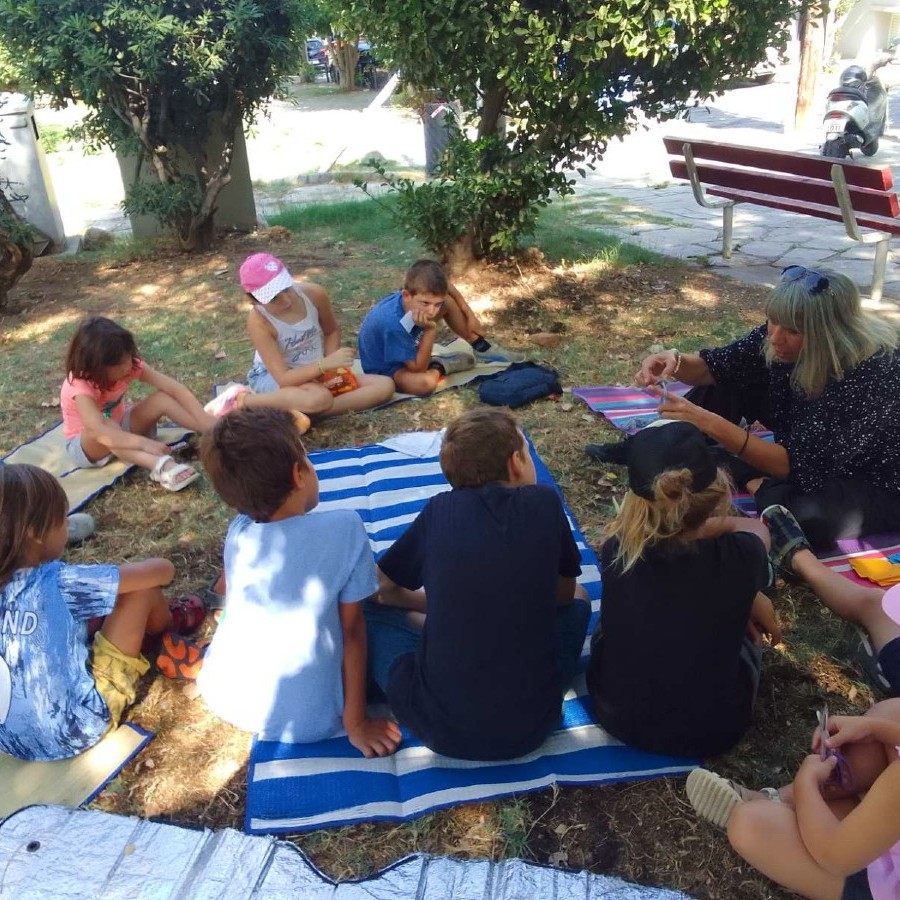
Thessaloniki, Greece
ΔΙΑ ΒΙΟΥ Ανελιξη | Dia Viou Anelixi provides holistic psychosocial support and lifelong learning opportunities in Thessaloniki, Greece, to foster resilience, promote mental health awareness, and contribute to a more inclusive society. They offer counseling and educational services with a focus on mindfulness, individual and family psychotherapy, personality assessments, psychometric testing, career counseling, mentoring, empowerment workshops, and soft skills training. Dia Viou Anelixi ensures accessibility through remote work options, flexible scheduling, barrier-free facilities, inclusive digital tools, individualized support, and a social pricing policy with free services and reduced rates. They minimize their environmental footprint through digital documentation, remote consultations, and sourcing from local social enterprises and environmentally responsible suppliers. Dia Viou Anelixi is a social cooperative enterprise and reinvests in their social purpose, community projects, and the local economy.
Tallinn, Estonia
LuckyWay offers a community-based mutual support system to connect people, strengthen solidarity, and provide real, measurable relief to those experiencing financial stress and hardship due to debt and economic vulnerability. Participants in their Free to Breathe initiative make small voluntary contributions to a common fund, which is used to partially or fully cover the debt burden of one or more members each cycle. LuckyWay maintains a participatory, decision-making model with transparent voting and member feedback to ensure trust, integrity, and social impact. They also provide financial education to support a more mindful, sustainable relationship with money and promote a shift away from overconsumption and debt-driven lifestyles. LuckyWay is a member of Kodanikuühiskonna Sihtkapital (KÜSK). They are a not-for-profit organization and reinvest all surplus towards their mission.
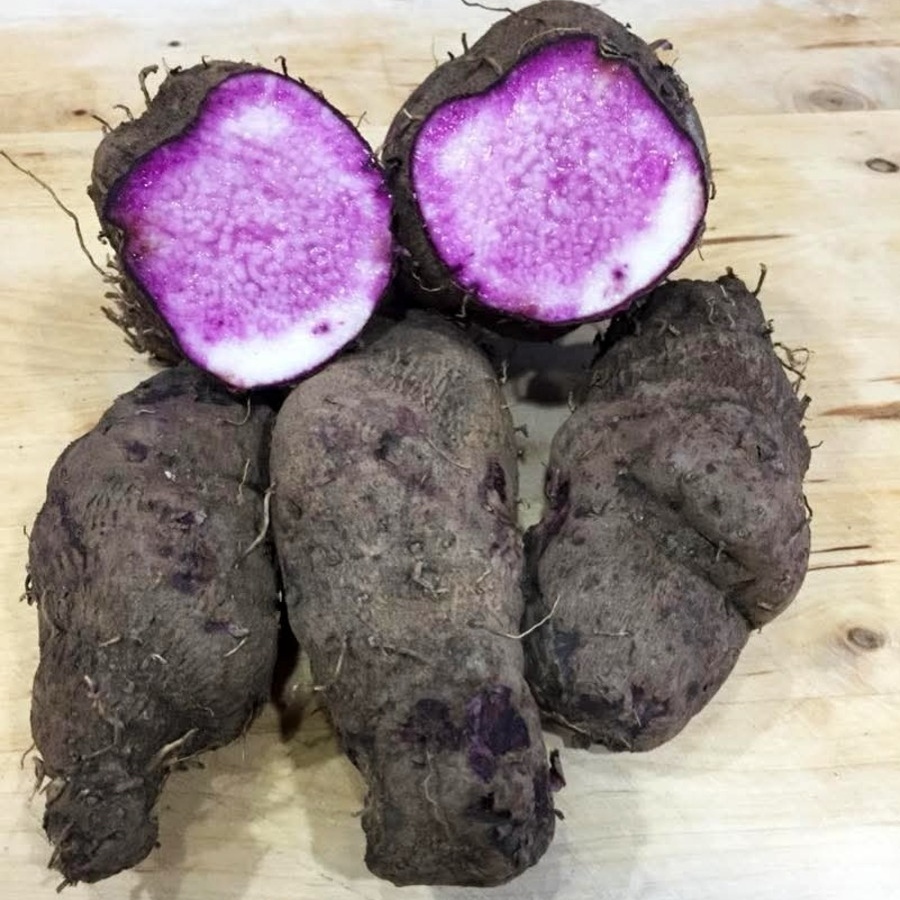
Sri Jayawardenepura Kotte, Sri Lanka
Snap-It by Achcharu Kadé produces flavorful plant-based snacks and supports local farmers in Sri Lanka. They transform undervalued local produce like karawila, bandakka, bathala, kos, and raja ala into crispy, oil-free, and nutrient-dense snack foods. Snap-It by Achcharu Kadé sources directly from single-income, women-led households and smallholder farmers following regenerative organic practices. They use energy-efficient techniques and operate during off-peak hours to reduce strain on the national electricity grid. Their process is designed to be zero-waste. Vegetable off-cuts are dehydrated into powders for soups and seasoning blends. Snap-It by Achcharu Kadé donates ten percent of all profits to The Nelli Tree Foundation to support underprivileged families in the Dematagoda area.
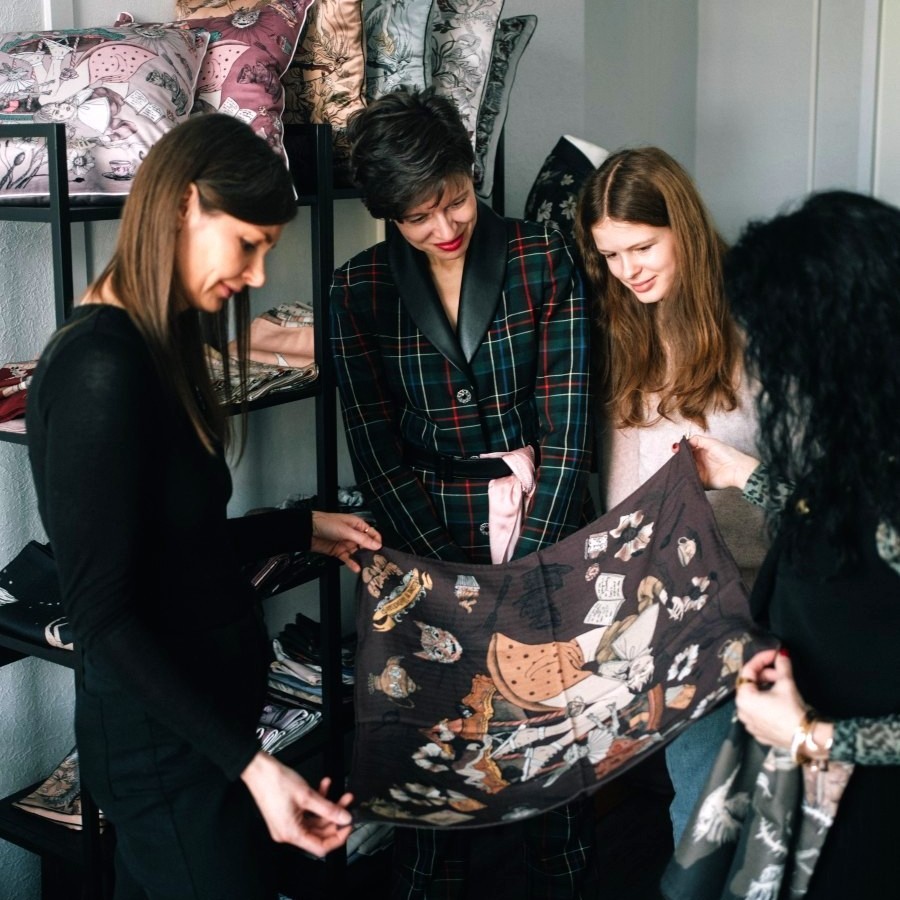
Tallinn, Estonia
Tallinn Design Tours helps travelers directly connect with Estonian designers, encourages more thoughtful consumption, promotes an appreciation for quality, and supports more sustainable choices. They organize custom tours based on the interests of each traveler with opportunities to meet the designers and hear the stories and inspiration behind every product. Tallinn Design Tours has a thorough selection process and only works with designers committed to sustainable practices and mindful, ethical production. They focus on walking tours and utilizing public transport to minimize environmental impact. Tallinn Design Tours reinvests their proceeds into raising awareness about sustainable fashion, conscious consumption, and mindful living.
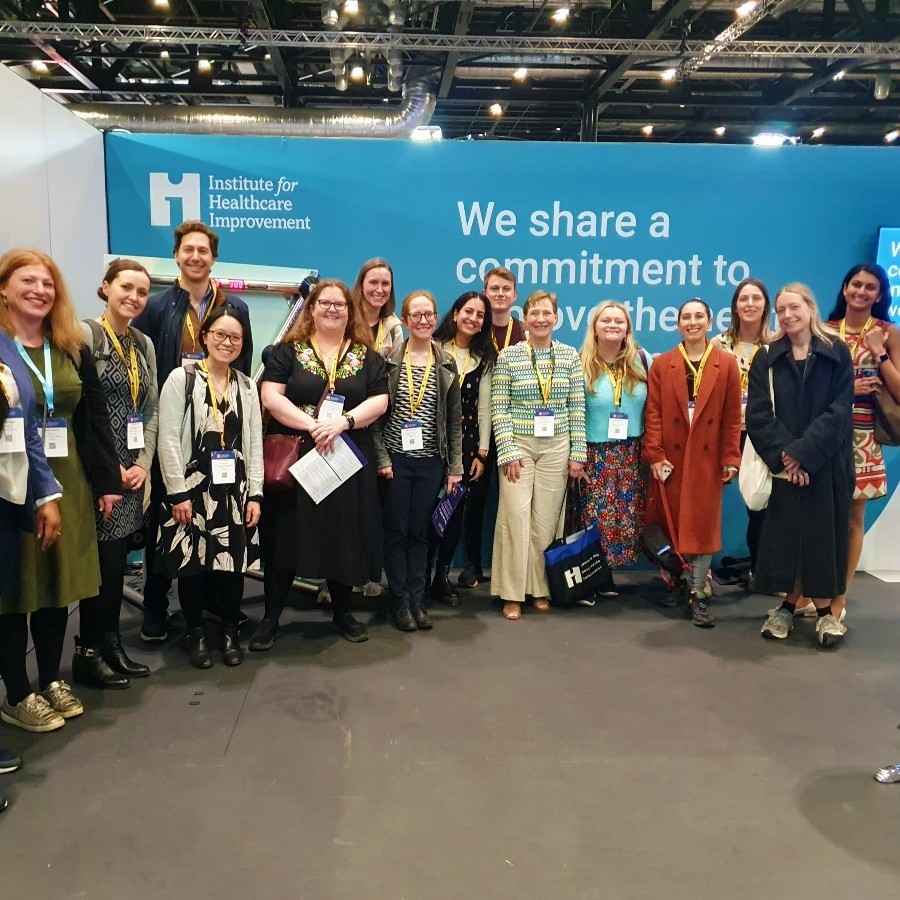
Southampton, England, United Kingdom
Quality Improvement Clinic helps individuals and organizations improve the quality, safety, and efficiency of healthcare services in the United Kingdom. They provide training, coaching, strategic consulting, board development, and network design services to strengthen governance and embed effective quality management systems. This reduces inequities in the health care system and promotes physical and mental wellbeing for both the service users and the workforce that feels empowered to enact change. Quality Improvement Clinic offers free places in their courses to patients, parents, and patient representatives. They operate remotely and deliver courses online to reduce their carbon footprint and physical resource consumption. Quality Improvement Clinic is a member of Social Enterprise UK and the Q Community. They reinvest at least 50 percent of all profits towards their mission.
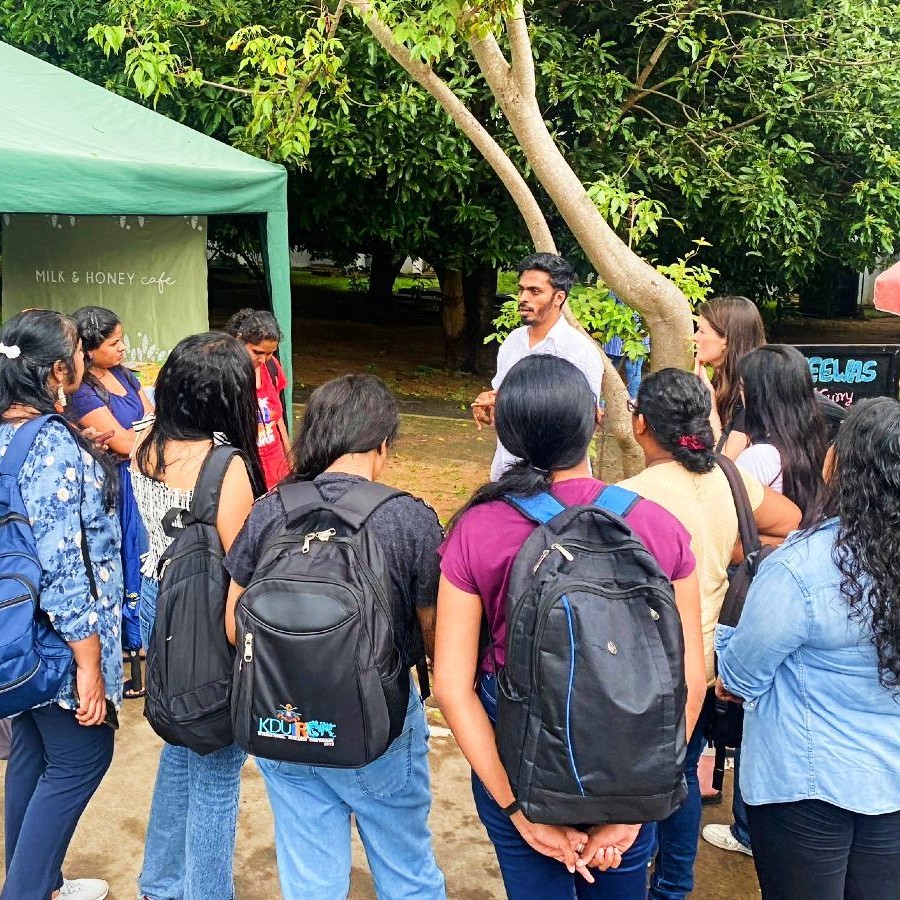
Colombo, Sri Lanka
Quanto organizes people, resources, and knowledge to improve access to essential needs, support ethical livelihoods, and strengthen community wellbeing through cooperative and sustainable practices. They specialize in research, education, capacity building, community organizing, and healthy food systems. Quanto improves affordability by organizing local, cooperative systems that reduce costs and increase access to essential goods and services. This includes sourcing food directly from home growers, enabling barter and shared distribution, and offering education and wellbeing programs in low-cost, community-based formats. Quanto reinvests all surplus towards their purpose.
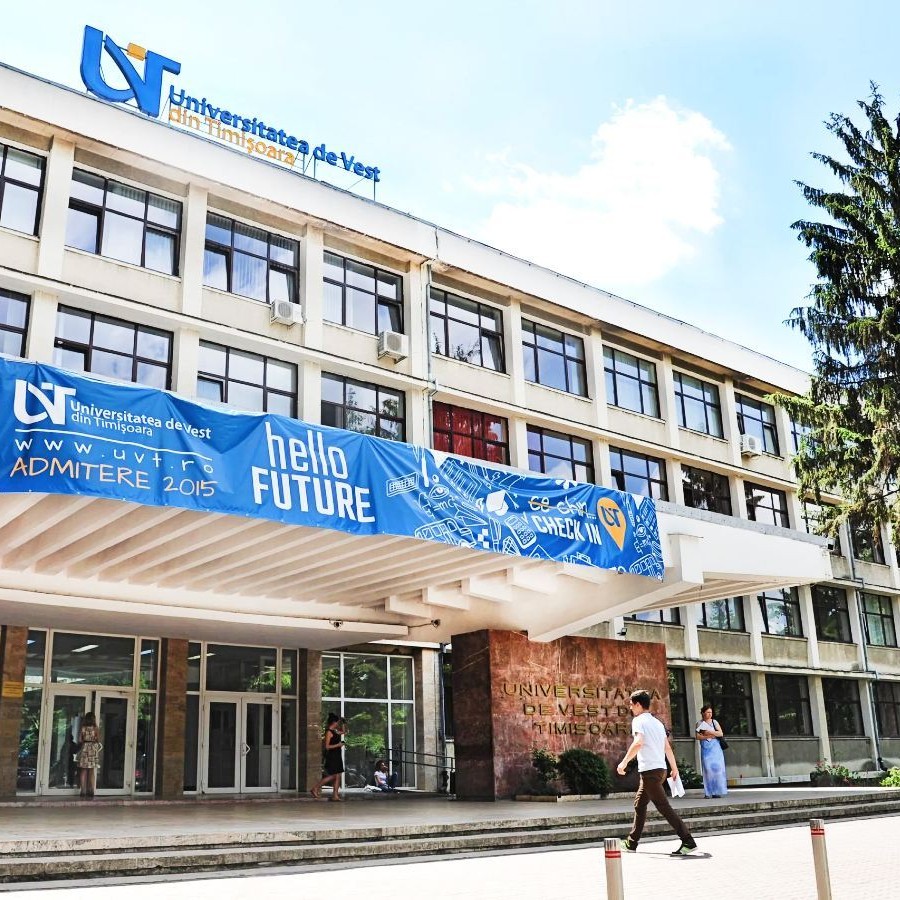
Timișoara, Romania
Universitatea de Vest din Timișoara (UVT) shapes future leaders in Romania through education and actively participates in solving regional and national socioeconomic challenges through scientific research. They offer undergraduate, master’s, and doctoral degrees and focus on meeting immediate labor market and socioeconomic development needs. UVT is a state-owned public university.
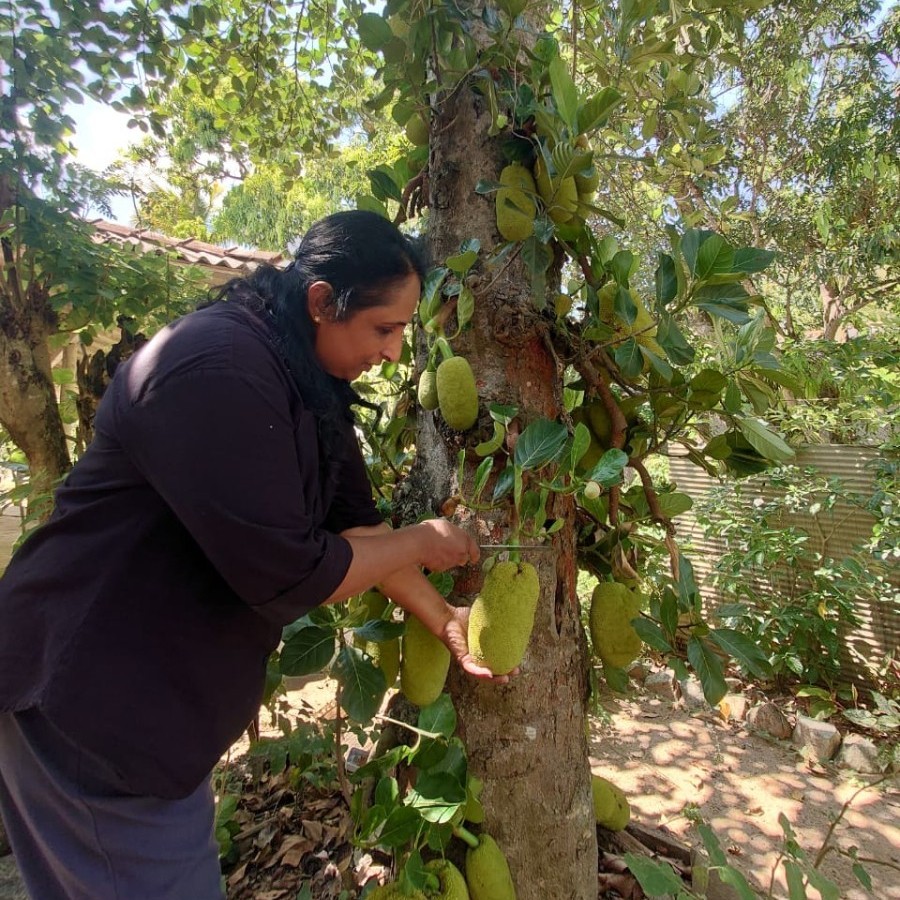
Kurunegala, Sri Lanka
Jayani Products prepares traditional Sri Lankan preserves from local fruits, vegetables, and spices. They specialize in achcharu pickles, chutneys, jams, and chili snacks. The fruit comes from their own home garden. Other ingredients are directly sourced from small-scale producers in their local area. Jayani Products composts organic waste for use in their garden. They allocate three percent of profits to educational expenses for children from low-income families.
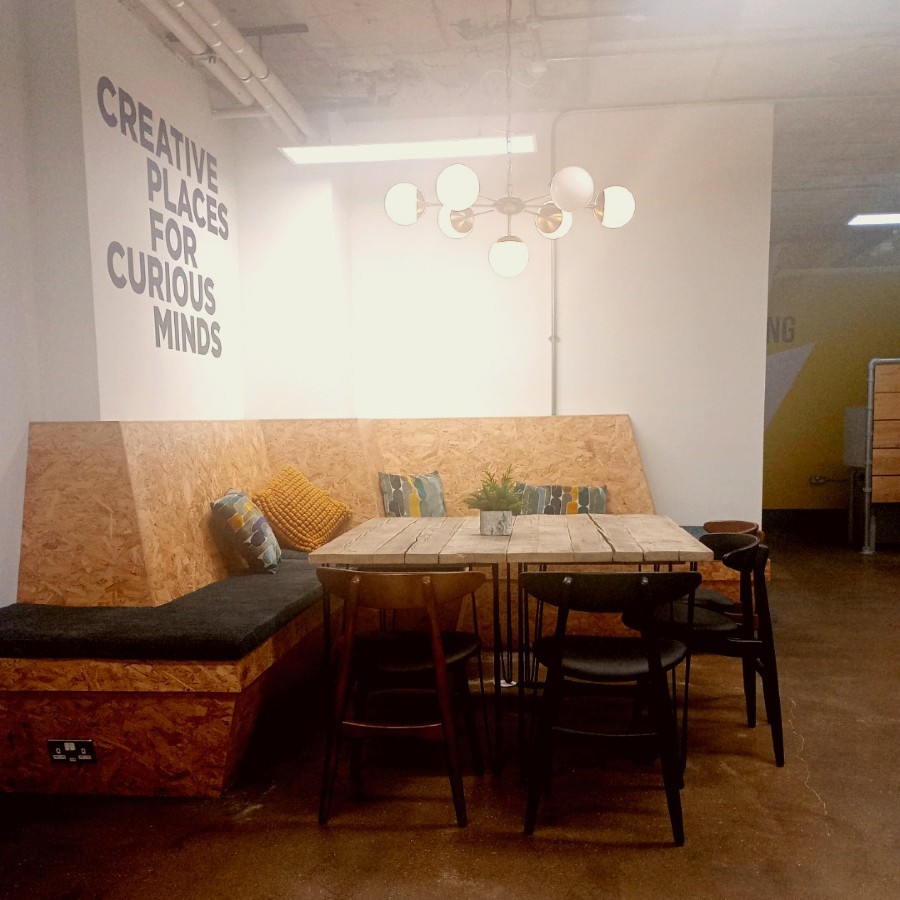
Norwich, England, United Kingdom
Praxiomatic works to rescue, revolutionize, and sustain access to arts and humanities education in Norwich, United Kingdom. They use the proceeds from private tutoring, research software sales, publishing, workshops, courses, lectures, and performance events to organize an independent, parallel academia. Praxiomatic provides the resources required to pursue postgraduate research without institutional affiliation, funds outreach to schools and communities, and supports a radical, affordable press for new critical theory and poetry. Their tutoring services and software are offered on a pay-what-you-can model. Praxiomatic is a member of Social Enterprise UK, Social Enterprise East of England, FUSE Network, and LUMi.
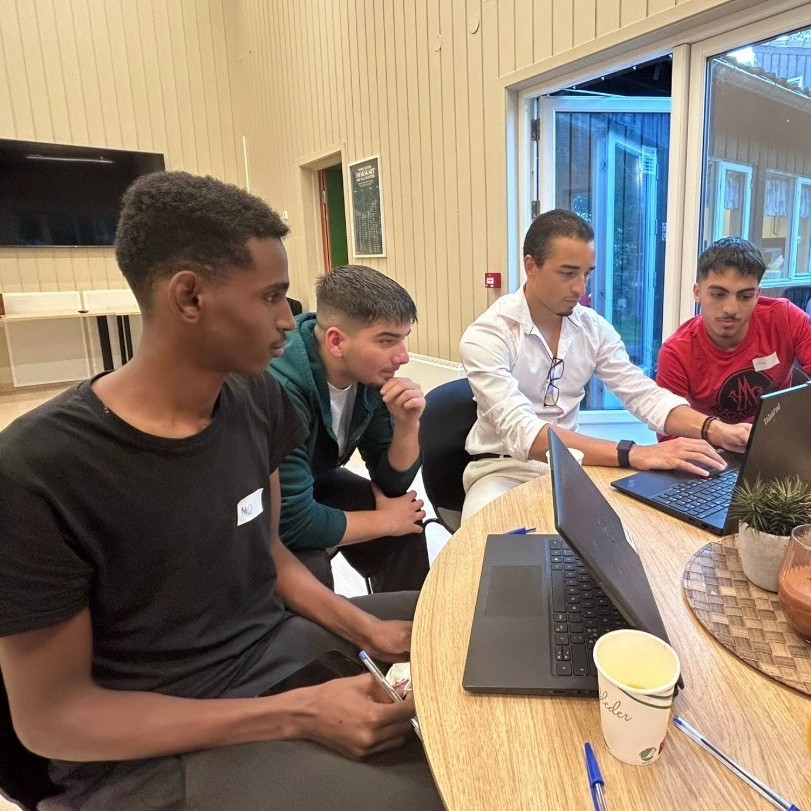
Skien, Norway
Sarepta MKK creates inclusive and meaningful activities for local young people and adults as part of the Der Du Bor community center network in Norway. They specialize in courses and support services to help young people find jobs, develop skills, build networks, and actively participate in society. They also rent facilities and technical equipment for courses, meetings, and events, provide catering services, and bring people together through food projects and cultural events. Sarepta MKK lends user-friendly KOMP screens to the elderly to simplify digital contact with family and friends. They are a member of Volunteer Norway, Inclusion Days Telemark, and SosEnt Norge. They reinvest all surplus towards their mission.
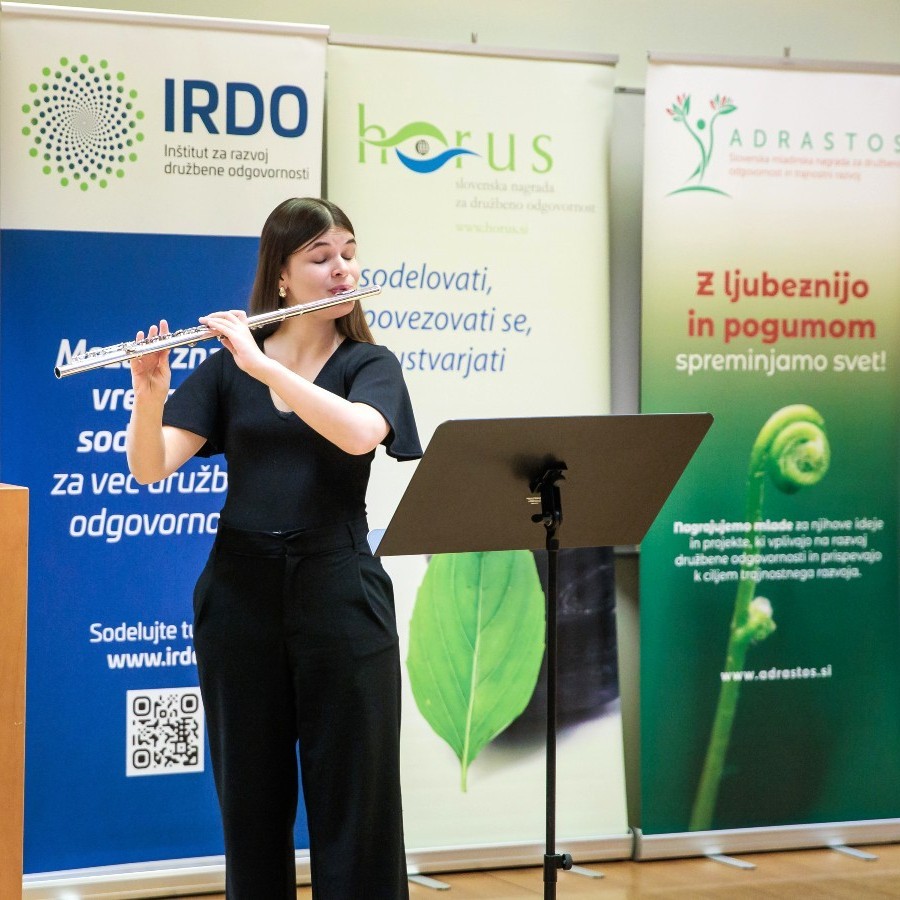
Ljubljana, Slovenia
Inštitut za Razvoj Družbene Odgovornosti (IRDO) contributes to the development of social responsibility in Slovenia and globally. They conduct research, publish literature, maintain a platform for the exchange of knowledge and ideas, and consult and train companies, organizations, and foundations to develop socially responsible strategies. IRDO also organizes conferences, issues awards, implements awareness campaigns, and promotes socially responsible action in practice. They are a national partner in the CSR Europe network and a signatory to the Diversity Charter of Slovenia. IRDO reinvests all surplus towards their mission.
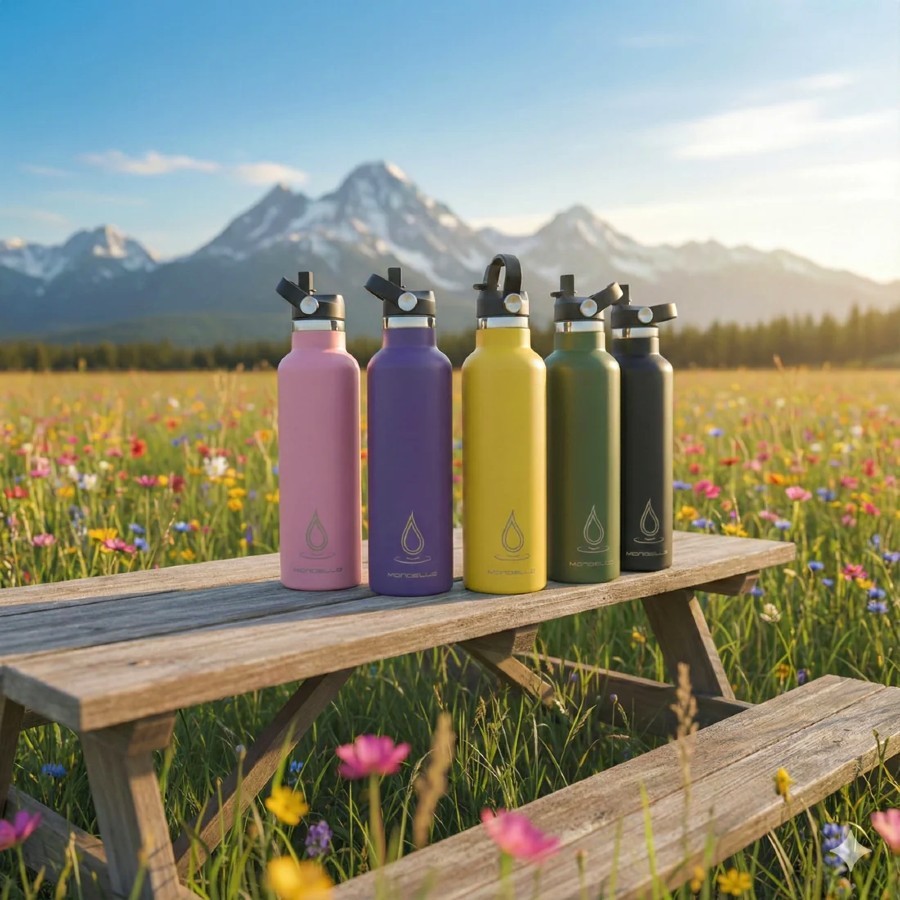
London, England, United Kingdom
Mondello aims to make single-use plastic water bottles obsolete. They offer reusable stainless steel water bottles that are free from Bisphenol A (BPA) and other harmful chemicals. Mondello donates bottles to their local community in London.
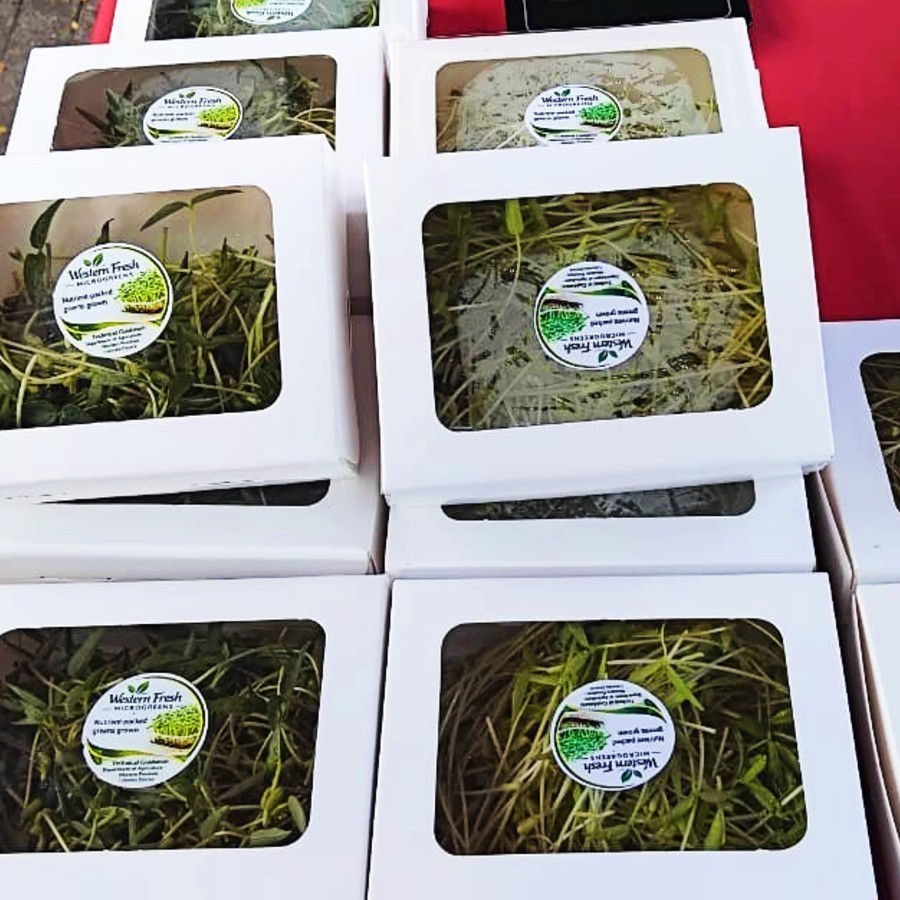
Sri Jayawardenepura Kotte, Sri Lanka
Western Microgreens produces fresh microgreens, empowers women homegrowers, and promotes healthy eating in Sri Lanka. They offer affordable microgreen packs, salad mixes, and value-added foods. Participating community members have access to technical knowledge, equipment, and support.
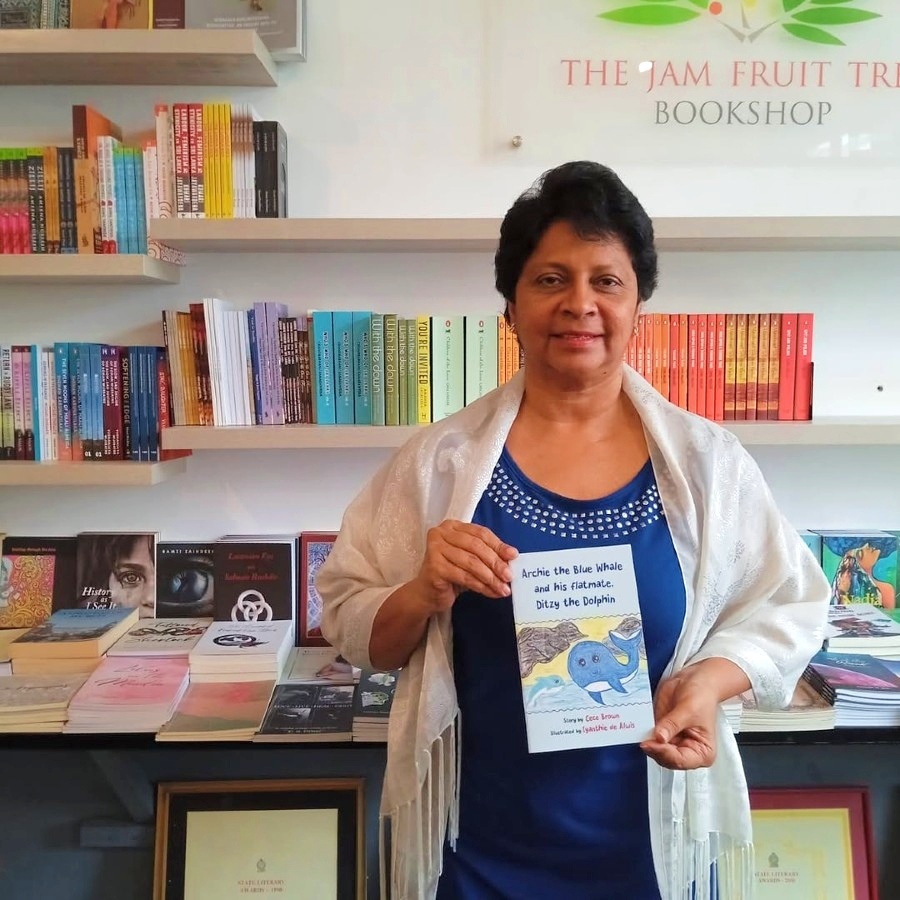
Colombo, Sri Lanka
Cece Brown aims to inspire children and uplift society through children’s storybooks. They donate a percentage of sales to Clean Ocean Force to support beach cleanup in Sri Lanka.
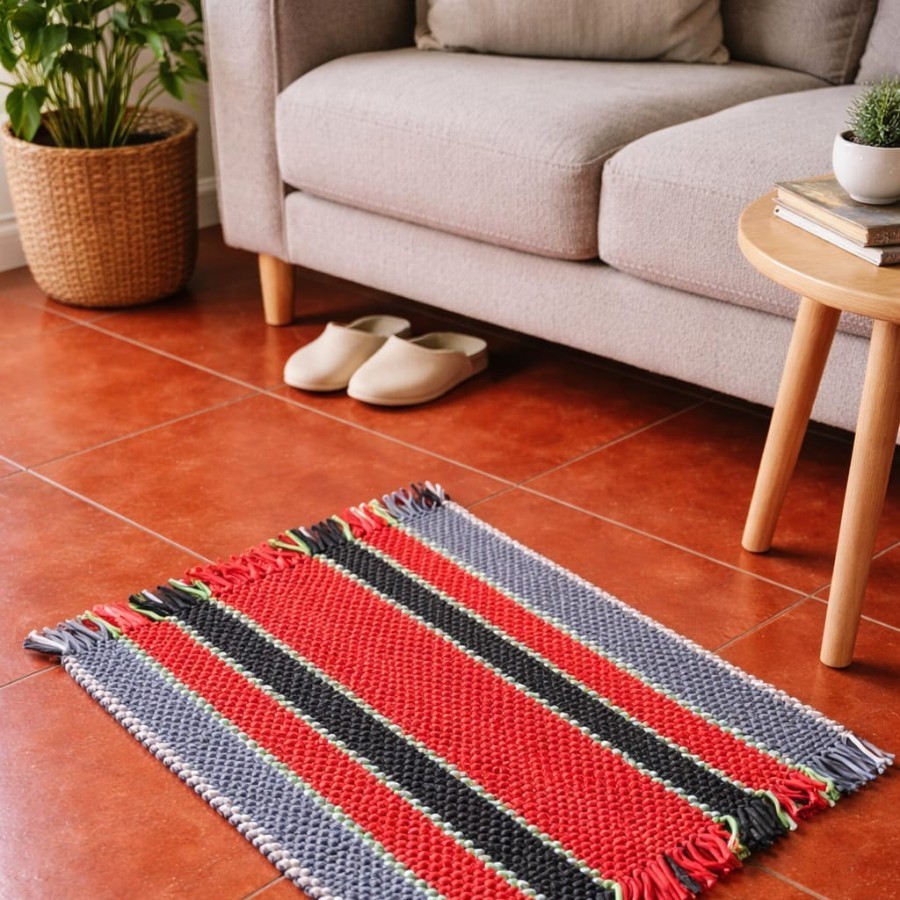
Millewa, Sri Lanka
Ama Handmade creates affordable rugs from textile waste in Sri Lanka. Their products are handwoven from strips of T-shirt fabric discarded by local textile factories.
Sri Jayawardenepura Kotte, Sri Lanka
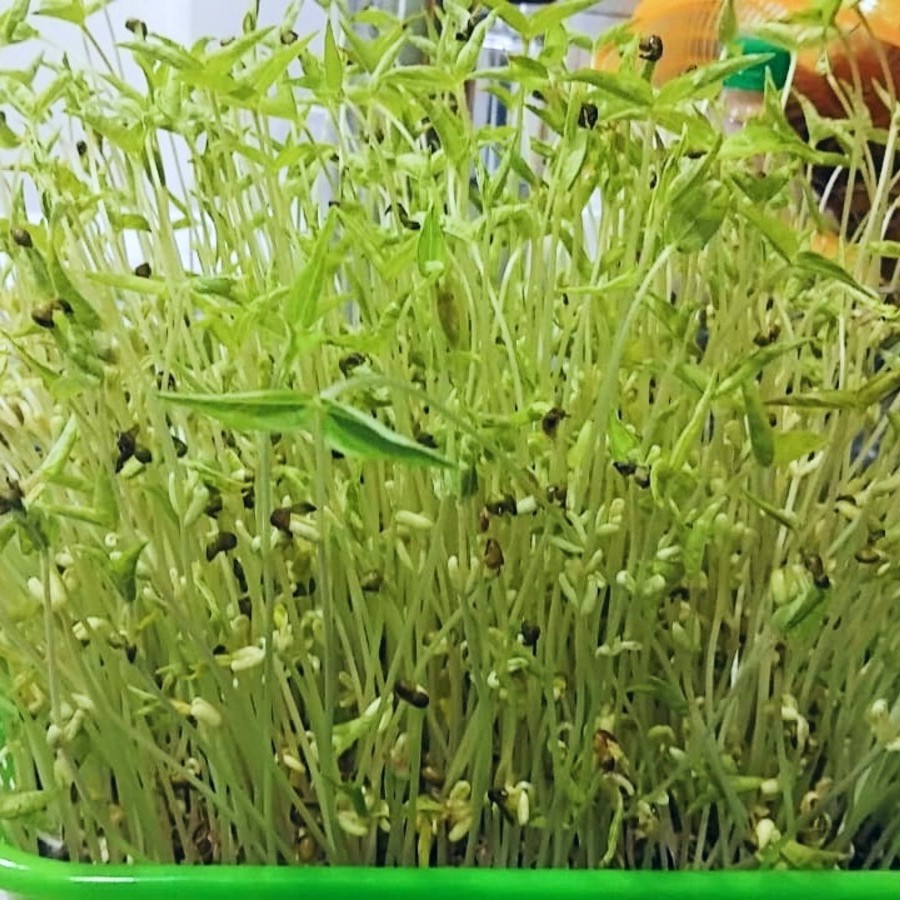
PureLeaf Microgreens produces affordable microgreens in Sri Lanka and promotes healthy eating habits. They use untreated seeds, cocopeat growing medium, reusable trays, and biodegradable packaging. Post-harvest waste is turned into natural fertilizer for other plants.
Know an initiative that’s good for people and good for the planet? Encourage them to get involved! www.goodmarket.global/apply.