Welcome to the 82 social enterprises, cooperatives, responsible businesses, civic organizations, and networks that became Good Market approved in November 2025! This month’s roundup includes new members from Ecuador, Colombia, the United States, South Africa, Madagascar, Zambia, Rwanda, Kenya, Ethiopia, Cameroon, Nigeria, Ghana, Scotland, England, Lithuania, Austria, Greece, Türkiye, India, Sri Lanka, Cambodia, Taiwan, and Australia. You can see half of them below. More than 4,955 enterprises across 125 countries are now part of the Good Market commons. ❤️
Nahıl
İstanbul, Türkiye
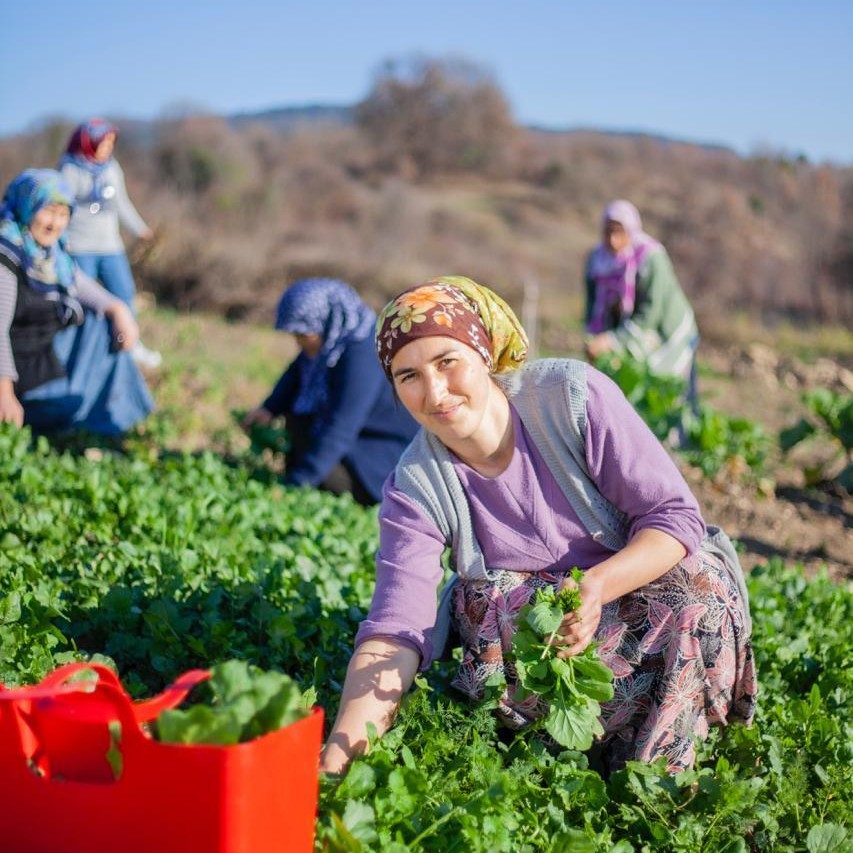
Nahıl is part of Kadın Emeğini Değerlendirme Vakfı (KEDV), which was established in 1986 to support women’s efforts to improve their lives, strengthen their leadership in local development, and contribute to building a strong society in Türkiye free from poverty and inequality. Nahıl specializes in economic empowerment. They provide training, design, product development, sales, and marketing support to low-income women producers and women’s cooperatives across the country. Nahıl also accepts donations of second-hand goods, sells them, and donates the proceeds to KEDV’s programs. This approach establishes a network of solidarity among low-income women producers, women’s cooperatives, conscientious customers, and private sector organizations with a sense of social responsibility.
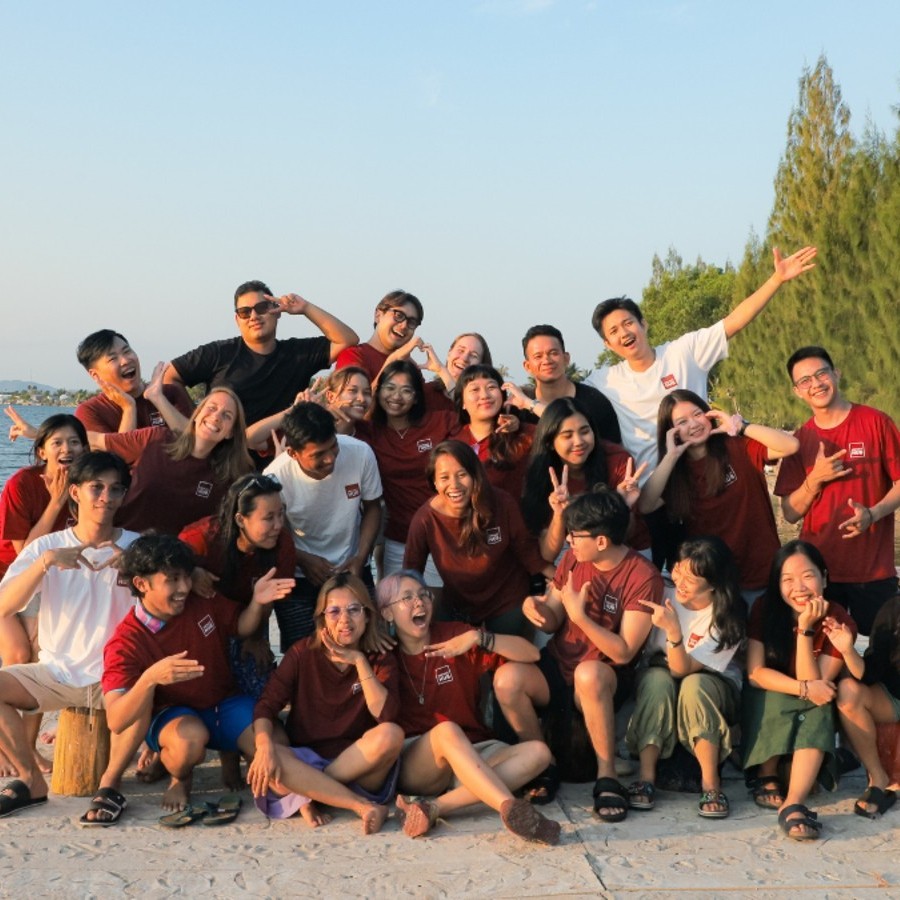
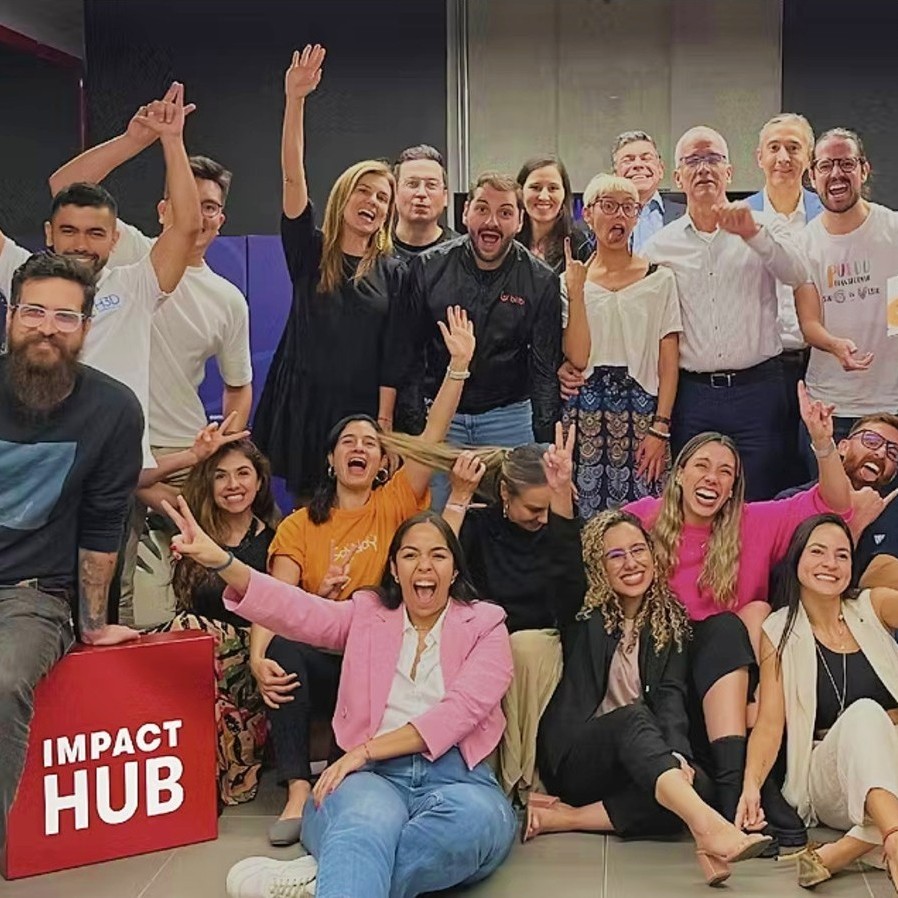
Impact Hub Phnom Penh inspires, connects, and supports impact entrepreneurs, youth leaders, and other innovators across Cambodia to tackle some of the country’s greatest social and environmental challenges. They design and run incubation and acceleration programs, trainings, campaigns, and events that raise awareness and inspire action. They also build community, create spaces for meaningful connection, and capture and share insights through action research. Impact Hub Phnom Penh is committed to accessibility. They offer free programs for impact makers, sliding scale coworking spaces, and free or discounted event space rental for resource-constrained groups that request support. They shifted to a new office to improve access for people with disabilities. Impact Hub is investing in solar energy and transitioning from imported supplies to sustainable alternatives produced by local entrepreneurs. They are a member of the global Impact Hub network and helped develop the Cambodian Sustainable Business Alliance.
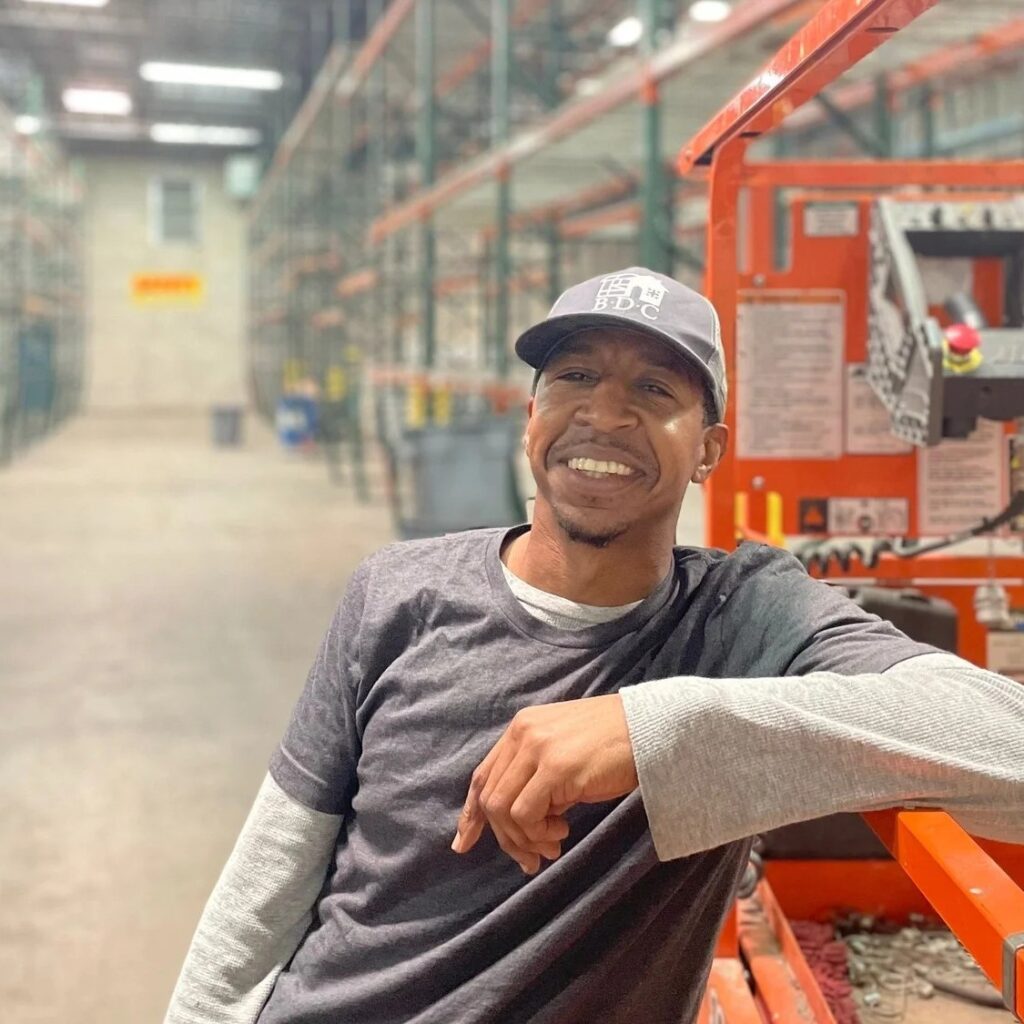
BDC Business Hub offers recycling and logistics services and a warehouse-based on-the-job training program designed to dismantle employment barriers in Memphis, Tennessee, and prepare people for living wage careers. They collect and recycle mattresses, tires, foam, chainsaw blades, streetlights, electronics, and heating, ventilation, and air conditioning (HVAC) systems and divert thousands of pounds of waste from landfills each year. They also offer third-party logistics (3PL) and warehousing services from their facility. Participants receive training and certification in forklift operation, scrap metal handling, hazard recognition, and workplace safety. BDC Business Hub also provides soft skill training, including work-life classes, financial literacy classes, resume building workshops, and mock interview sessions. They are a 501(c)3 not-for-profit and reinvest all surplus towards their mission.
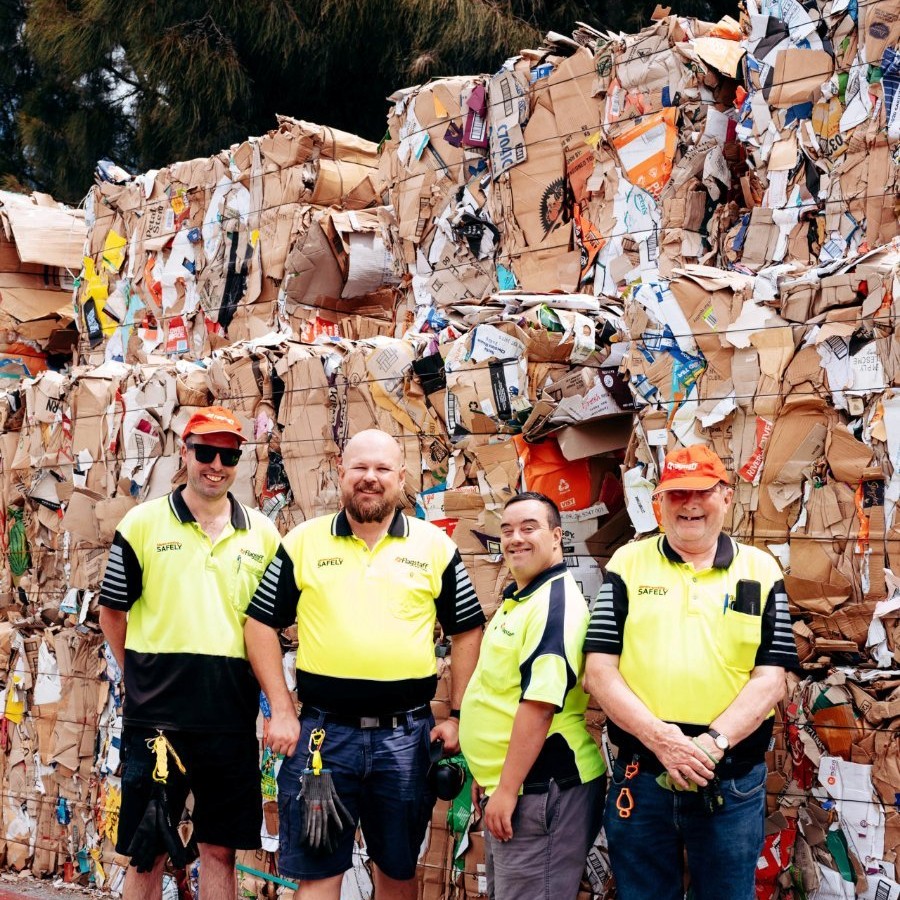
Flagstaff Group has been providing vocational support, life skills training, and work opportunities for people with disabilities in New South Wales, Australia, since 1966. Flagstaff Paper to Paper collects and recycles paper, cardboard, x-rays, and soft plastics to reduce landfill waste and support a circular economy. Flagstaff Print, Mail, and Digital prints marketing and promotional materials and offers braille embossing, collation, and mailing services. Flagstaff Laundry provides water and energy-efficient commercial laundry services with biodegradable cleaning products. Other group services include grounds maintenance, commercial cleaning, light manufacturing, assembly, and packaging. Flagstaff helps people with disabilities live well in the community through school-to-work pathways, accessible supported employment, skills development, safety education, and health and fitness programs. They provide pro bono support to local charities with shared values and participate in Social Enterprise Council of NSW & ACT (SECNA), Illawarra Disability Alliance, and other networks. All surplus is reinvested back into programs that strengthen inclusion.
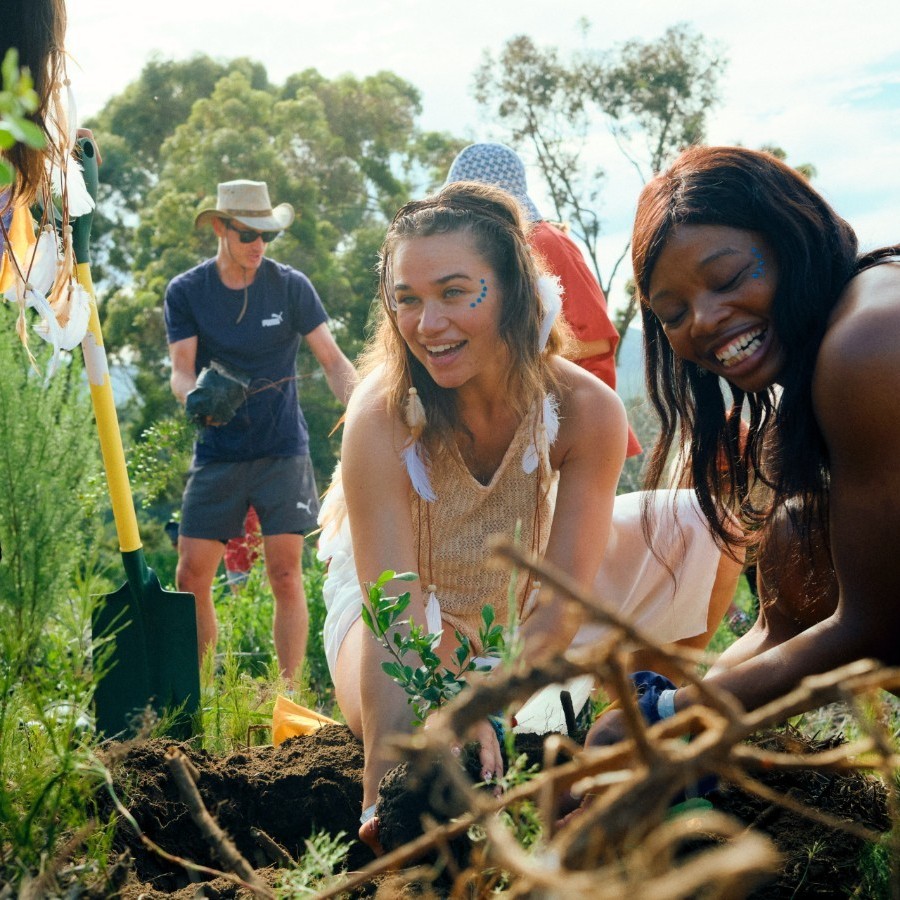
Greenpop greens urban spaces, restores natural ecosystems, and promotes environmental awareness across Sub-Saharan Africa. They partner with and support local organizations to plant trees, restore forest and woodland habitats, and effectively manage critical catchment areas through the Forests for Life program. The program goes beyond tree planting to help communities that rely on forest resources find alternative non-timber livelihood opportunities such as beekeeping and seedling nurseries. Greenpop also create green spaces in cities through indigenous tree planting and food gardens. They run environmental awareness events and campaigns to educate and inspire collective stewardship action. Greenpop is a not-for-profit organization and reinvests all surplus towards their mission.
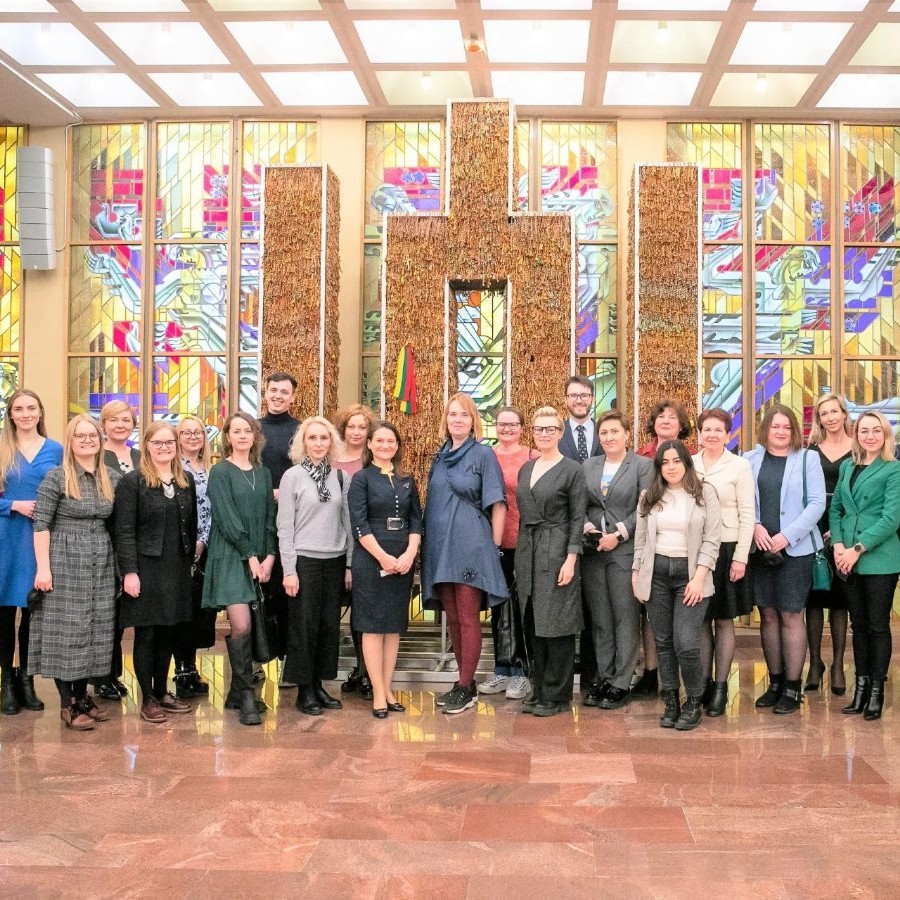
The Lithuanian Social Business Association (LiSVA) represents and strengthens social enterprises and the social economy ecosystem in Lithuania. They advance social entrepreneurship and promote social innovation through partnerships, knowledge sharing, community support, training, and advocacy. LiSVA participates in the formation and implementation of social business development policy and represents the interests of members in state and municipal institutions. They also organize public awareness and education campaigns to shape public opinion about social businesses. LiSVA is a member of Diesis Network, European Network of Social Integration Enterprises (ENSIE), Euclid Network, and the European Social Enterprise Monitor consortium. They are a not-for-profit organization and reinvest all surplus towards their purpose.
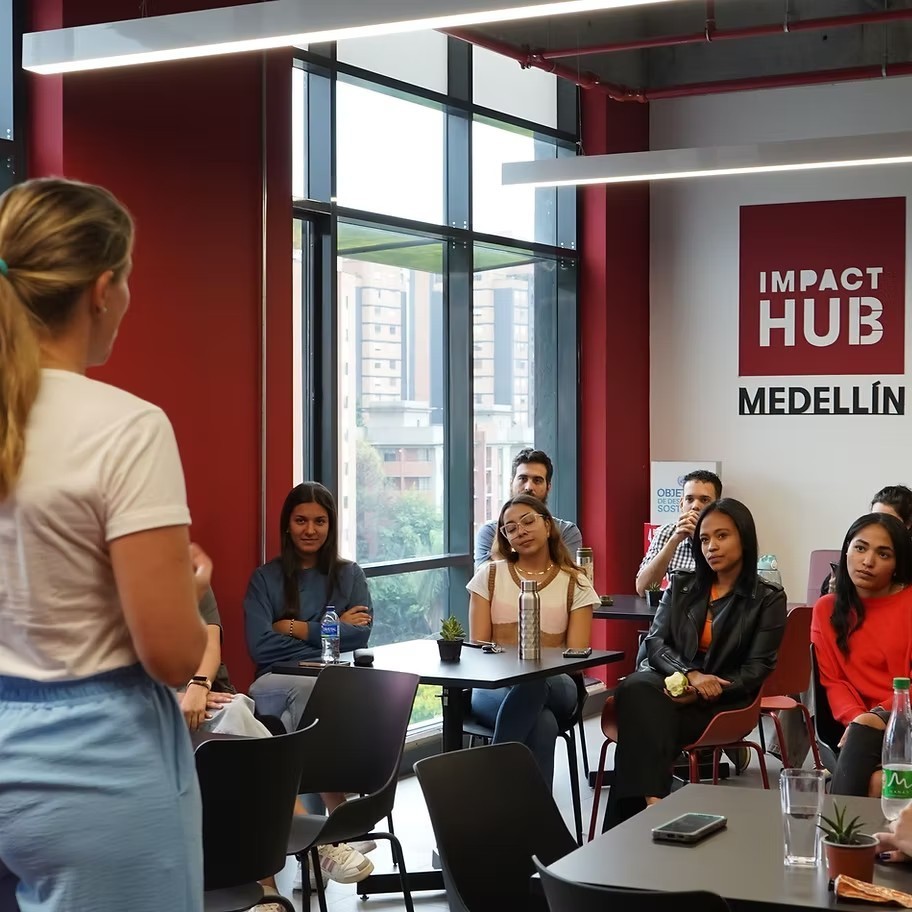
Impact Hub Medellín supports and coordinates impact entrepreneurship to enhance sustainable development in Colombia. They specialize in training, mentoring, business development consulting, and capacity development with a focus on scaling Colombian companies internationally. Impact Hub Medellín strengthens businesses with a positive impact on rural innovation, gender equality, climate action, and sustainable agriculture. They are part of the global Impact Hub network.
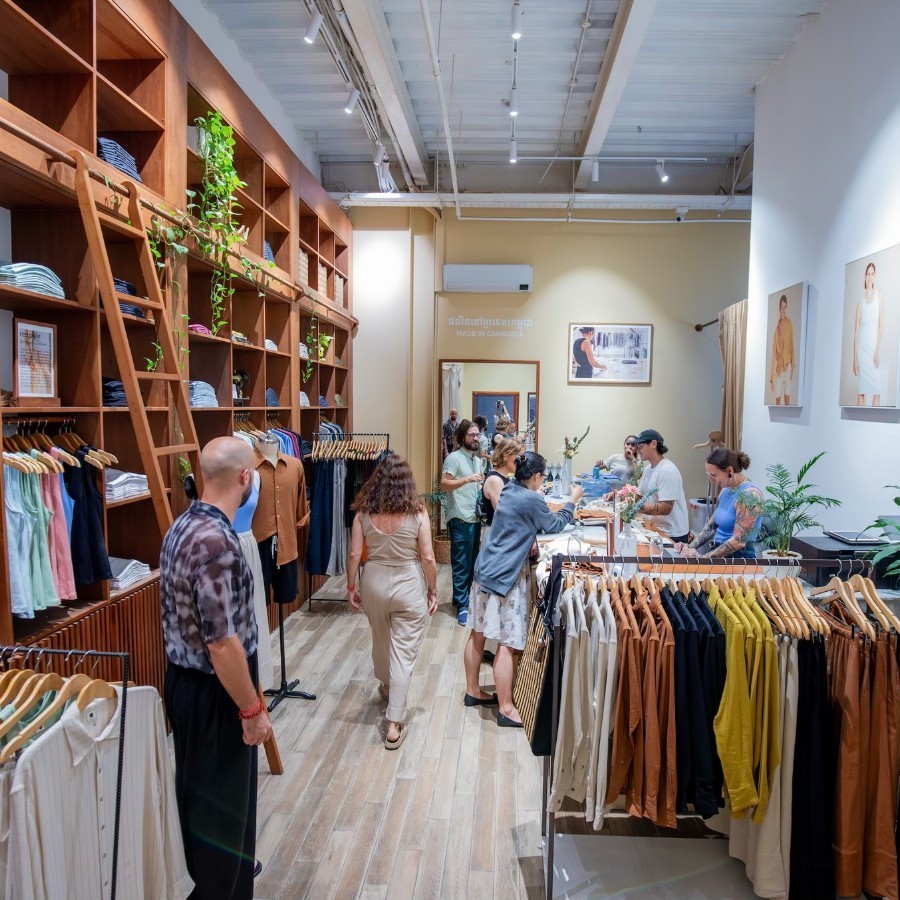
Dorsu creates clothing that is better for people and the planet in order to set an example within the Cambodian and global garment industry. Their basic dresses, tops, bottoms, and underwear are designed to last and produced in small batches from quality deadstock materials. Online orders are packed in home-compostable mailers, and the majority of deliveries are handled by a carbon-neutral courier service. By repurposing fabric, they prevent it from going to waste, reduce demand for new textile production, and conserve water, energy, and resources. Dorsu provides living wages, paid leave, and a respectful, inclusive environment where all employees are valued for their skills and creativity. Over 90 percent of their team are women, many of whom have developed from entry-level sewers into management and leadership positions. Dorsu supports education initiatives in rural Cambodia through donations of uniforms, free school supplies, teacher training, and school meal programs. They are a member of Impact Hub Phnom Penh.
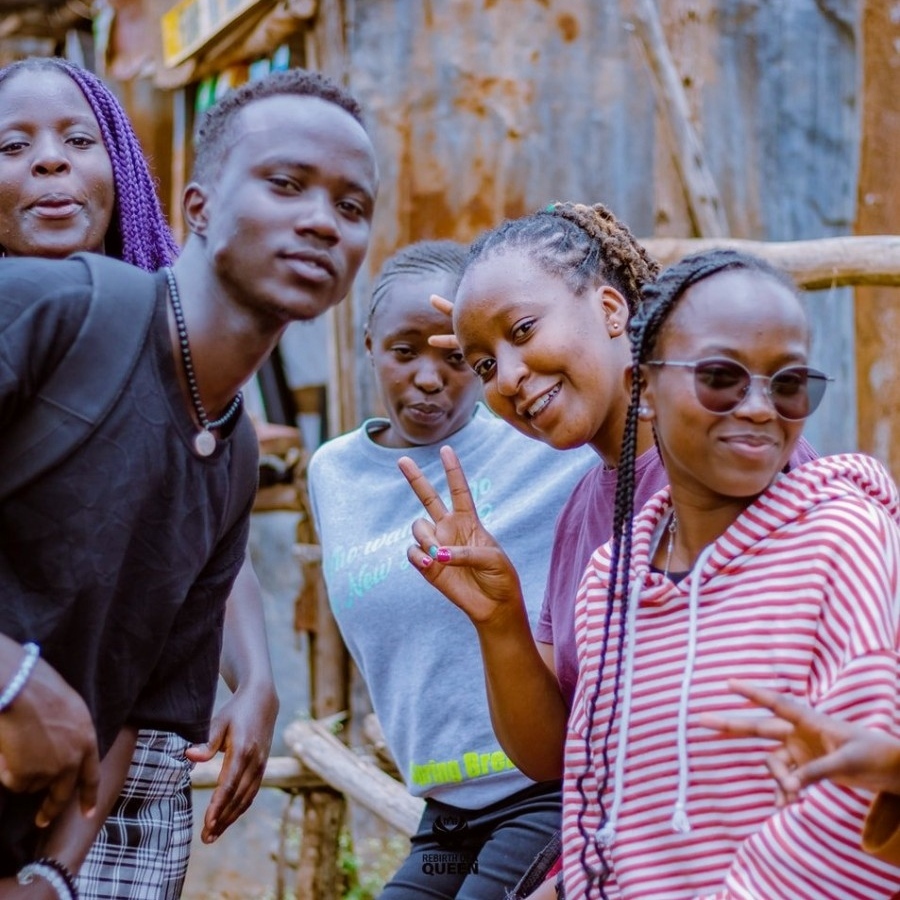
Rebirth of a Queen empowers survivors of sexual violence and human trafficking through education, skills training, and community development programs in Kajiado, Kenya. They provide safe shelter, trauma counseling, and support networks to women and girls escaping sexual violence and modern slavery. Survivors are trained in fashion design, photography, and other marketable skills to help them build sustainable livelihoods. Rebirth of a Queen raises awareness through survivor-led campaigns and advocates for laws that protect survivors and prevent violence. They are a not-for-profit organization and reinvest all surplus towards their mission.
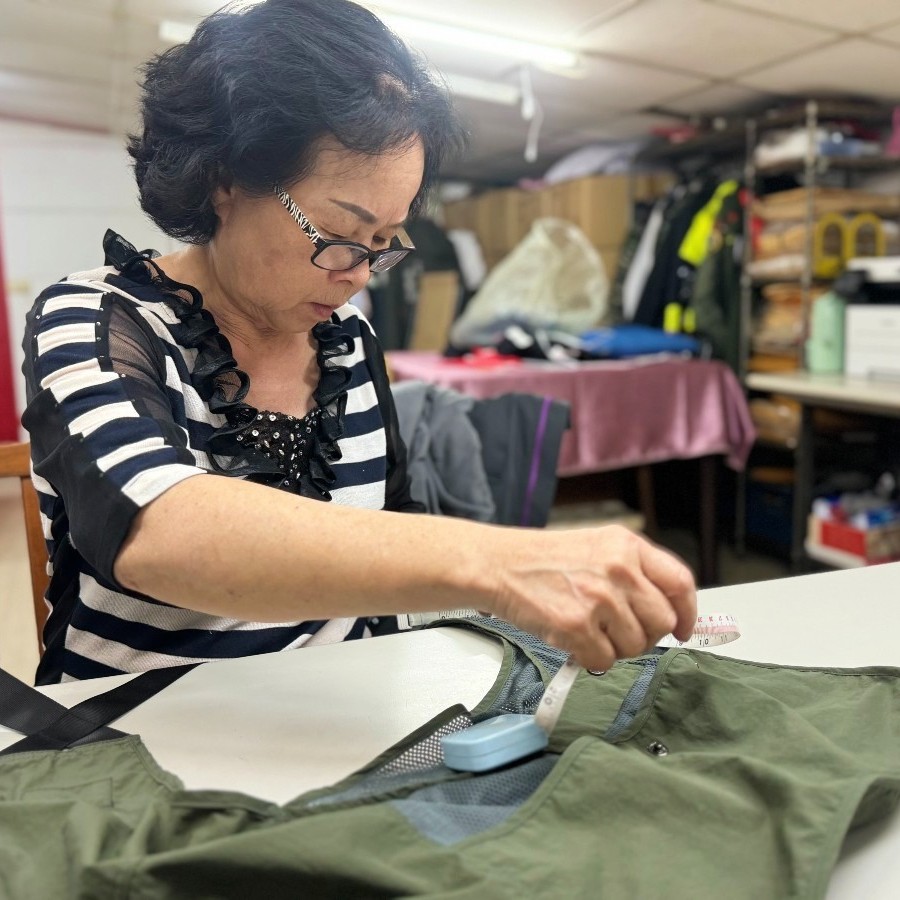
Hewei Design designs and manufactures professional uniforms and creates local employment opportunities for people from disadvantaged backgrounds in Taoyuan, Taiwan. They produce team uniforms, safety vests, and other workwear products using recycled waste fabrics and responsibly sourced Bluesign-certified materials. Hewei Design employs school dropouts and offers flexible work opportunities to people with disabilities and those from low-income families. They also engage seniors to support social connections.
Center for Social Entrepreneurship and Social Innovation
Wien, Austria
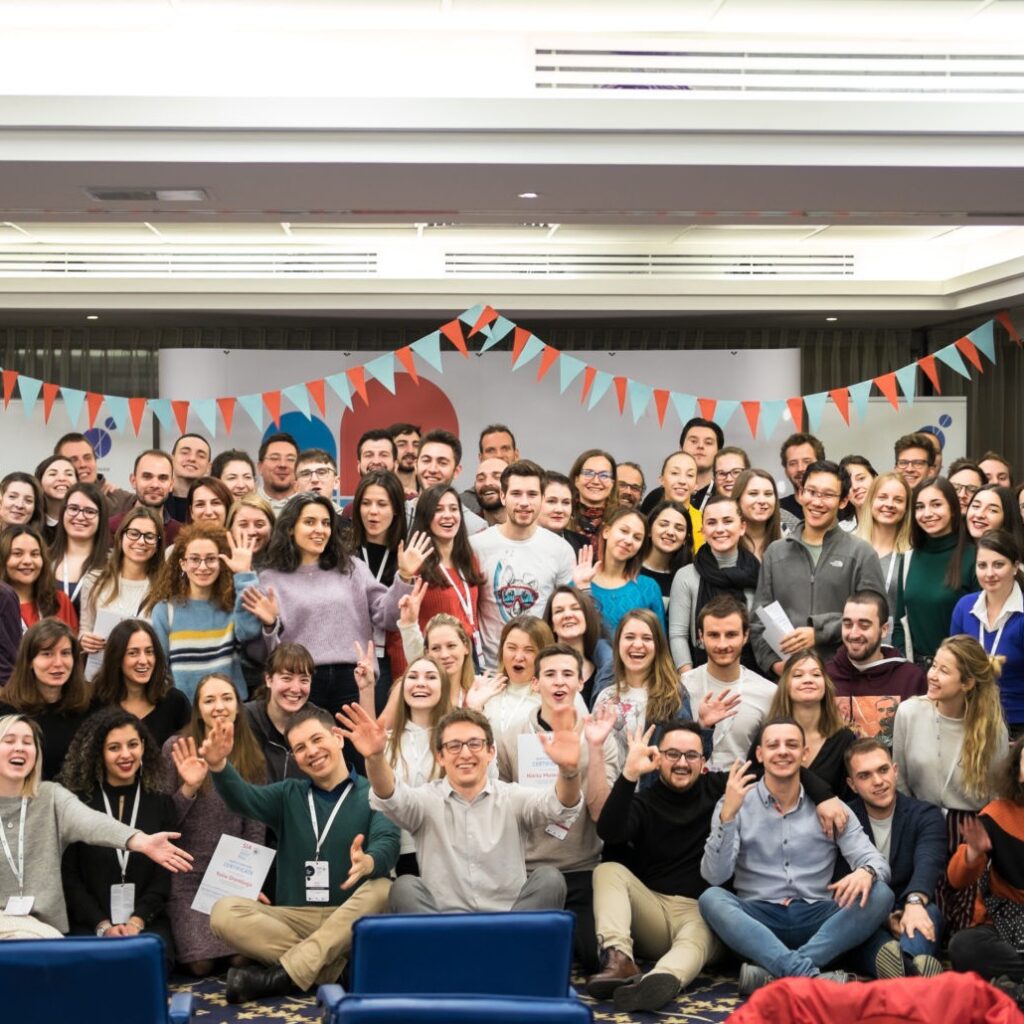
Center for Social Entrepreneurship and Social Innovation (SESI) at WU Vienna fosters innovative solutions for societal challenges through teaching, research, and capacity building. They deliver social entrepreneurship courses, study how social impact can be systematically designed, measured, and scaled, and offer training, consultations, and tailored programs for social enterprises, non-governmental organizations, foundations, and corporations. SESI coordinates the Social Impact Award program and the Austrian Social Enterprise Monitor report. They are a member of Euclid Network and the European Social Enterprise Monitor Consortium (ESEM).
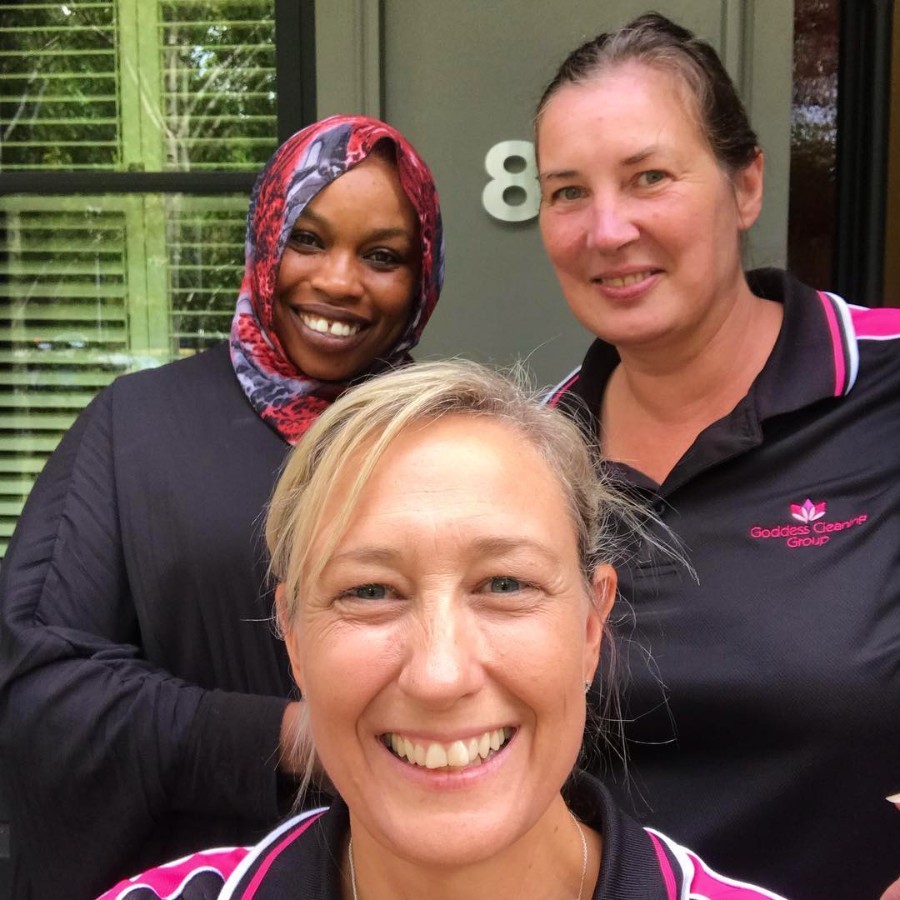
Goddess Cleaning Group offers cleaning services in the greater Melbourne area and creates employment opportunities for women who have experienced disadvantage or domestic violence. They specialize in home services for elders and people with disabilities, commercial and industrial cleaning, pressure washing, waste management, graffiti removal, and sanitary bin servicing. Goddess Cleaning Group invests in training, upskilling, cross-skilling, and career readiness programs to help employees escape the cycle of disadvantage. A percentage of profits is donated to Left Write Hook and other organizations that support women who have suffered from childhood sexual abuse. Goddess Cleaning Group is a Social Traders Certified Social Enterprise.
Eco Fashion Week Australia (EFWA) promotes sustainable fashion, showcases eco designers and artisans, and preserves handmade heritage textile crafts and the communities that depend on them. They host runway shows, exhibitions, workshops, artist talks, seminars, awards, upcycle challenges, and other events in Australia and beyond. They also connect master artisans with younger generations to ensure traditional techniques are transmitted through hands-on experience. EFWA is working to revitalize Donggala weaving in Central Sulawesi, Indonesia, through the Buya Subi Project. They are a member of Western Australia Social Enterprise Council (WASEC), Social Enterprise Australia, and the United Nations Fashion and Lifestyle Network.
Bean 2 Work helps people in Glasgow enter or re-enter the workforce through professional training and hands-on experience in the coffee industry. Their accessible training programs equip individuals with the skills and confidence they need to secure meaningful employment, while offering businesses a pipeline of qualified, job-ready talent. Bean 2 Work also supplies locally roasted coffee, provides mobile coffee and juice carts, and uses all profits to support their training programs. They are a Community Interest Company (CIC) and a member of Social Enterprise Scotland and Glasgow Social Enterprise.
PATHMAKER partners with Australian organizations on their journey to create social value, enabling them to connect purpose with strategic impact. They specialize in strategic advisory services, leadership coaching, workshop co-design and facilitation, engagement programs, and impact monitoring and evaluation. PATHMAKER provides pro-bono and discounted services to mission-aligned social enterprises and not-for-profit organizations that cannot access strategic advisory services due to funding constraints. They are a Social Traders Certified Social Enterprise and a member of the Social Enterprise Council of NSW & ACT (SECNA), Economic Development Australia, Clean Energy Council, and the Engagement Institute.
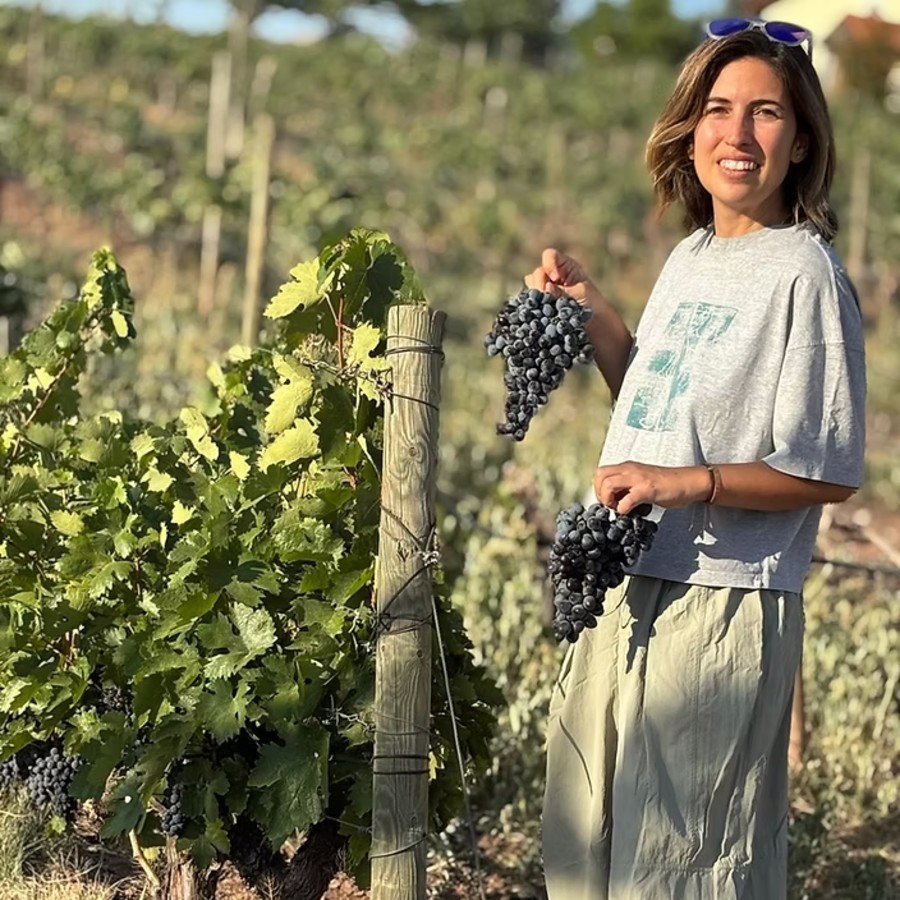
Posamas supports the circular economy by transforming byproducts from wine-making into multifunctional, antioxidant-rich ingredients that support human and environmental health. Their Vin.Spa brand includes bioactive grape pomace extracts and powders that can be used in functional foods and natural cosmetics. By upcycling instead of discarding, they reduce organic waste, prevent methane formation, and extend the life cycle of local agricultural resources. Posamas creates economic opportunities for women across the agricultural and bioeconomy ecosystem. They support women growers, collaborate with women-led cooperatives, and build inclusive innovation models where women shape decisions, value creation, and long-term strategy.
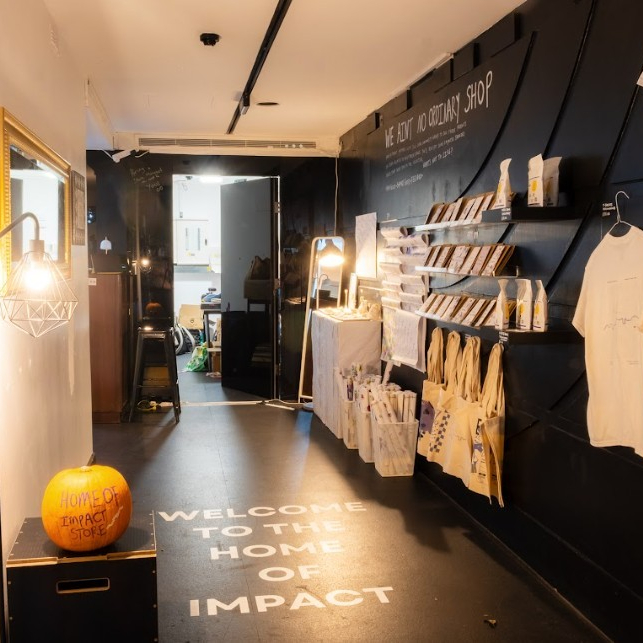
ImpactSOS helps local community groups and charities demonstrate their impact and become self-sustaining. Through pop-up stores, community events, and an online shop, they showcase products made by grassroots groups, share their stories, and generate direct income to support their work. Every purchase supports community groups tackling addiction, mental health challenges, unemployment, youth empowerment, sustainability, social isolation, and other local challenges. ImpactSOS is a Community Interest Company (CIC).
Impact Hub Cali connects and coordinates the social innovation and impact entrepreneurship ecosystem in Cali, Colombia. Through training workshops, bootcamps, networking, and mentoring programs and events, they support the growth of purpose-driven businesses aligned with the United Nations Sustainable Development Goals (SDGs). Their incubation and acceleration programs focus on gender equality, climate action, skills development, and internationalization of Colombian small and medium enterprises (SMEs). Impact Hub Cali is a not-for-profit organization and reinvests all surplus towards their mission. They are a member of the global Impact Hub network.
Mintor offers purpose-built chat solutions to support job seekers and workers from underserved communities and address unemployment at scale. Their tools for recruitment, on-the-job training, payslips, leave management, time sheets, and human resources (HR) support connect existing organizational systems with the chat apps that job seekers and workers already use. Mintor also helps nonprofits and social service organizations reach deep into rural and urban communities to conduct community surveys and support skills development and job readiness. Their chat-based approach eliminates paperwork, reduces resource consumption, increases engagement, and helps ensure no one is left behind.
Certification Oceania specializes in International Organization for Standardization (ISO) certification and ensures certification audits drive social and environmental impact. They provide conformity assessment, assurance, and training services for ISO 9001, ISO 45001, ISO 14001, and ISO 27001 certification to help organizations improve performance and demonstrate trust. Certification Oceania conducts documentation compliance audits remotely to reduce travel emissions and plants one tree for each day a client is audited. Discounted services are available for indigenous communities and not-for-profit groups in Australia. They reinvest 50 percent of net profits into mental health, women’s health education, safe and resilient communities, and climate and biodiversity initiatives. Certification Oceania is a certified B Corporation.
HumanHub integrates education, technology, and entrepreneurship to promote inclusion and generate economic and social value for communities in Guayaquil, Ecuador. They incubate, train, and support social enterprises working on technological solutions to address education inequality, preventative health, and inclusion of people with disabilities. Their TESEO Program creates accessible learning spaces and develops projects that foster personal independence, employability, and overall well-being for people with visual impairments. HumanHub reinvests a portion of all profits into education and inclusion programs.
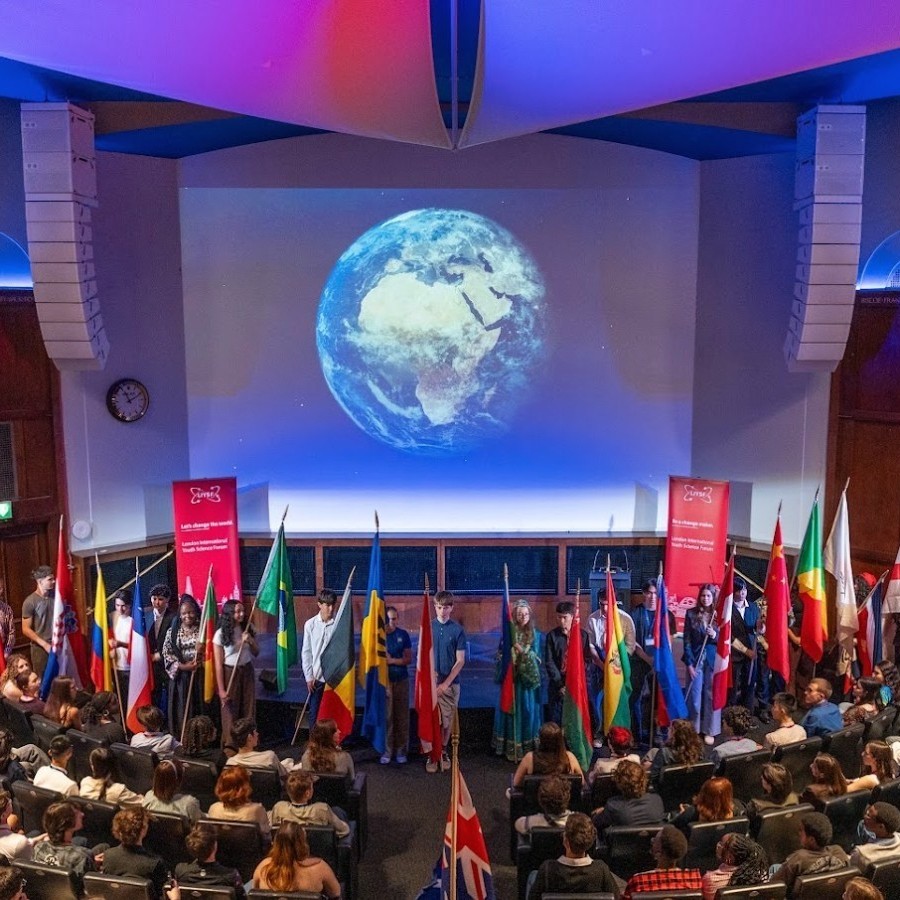
London International Youth Science Forum (LIYSF) was established in 1959 to empower young people from all backgrounds to pursue careers in science, technology, engineering, and mathematics (STEM) with a focus on social and economic benefits. They facilitate and showcase global cooperation through an international STEM summer camp held virtually and in-person every year at Imperial College London and the Royal Geographical Society. The program includes demonstrations by leading scientists, visits to scientific laboratories and universities, and critical discussions about global challenges and scientific advancements. Their global STEM network connects young people with leading scientists and peers from around the world, creating a community for communication, mentorship, collaboration, innovation, and cultural exchange. LIYSF offers scholarships and financial assistance to students from underrepresented groups to ensure inclusive attendance. They are a not-for-profit organization and reinvest all surplus towards their mission.
Kishara Trust empowers people with disabilities in Sri Lanka by ensuring equal rights, fostering entrepreneurship, and creating livelihood opportunities. They specialize in disability sensitization services, accessibility audits, and vocational skills training for people with disabilities. They also organize accessible tourism experiences. Kishara Trust works with the disability community throughout Sri Lanka to raise awareness and improve wellbeing.
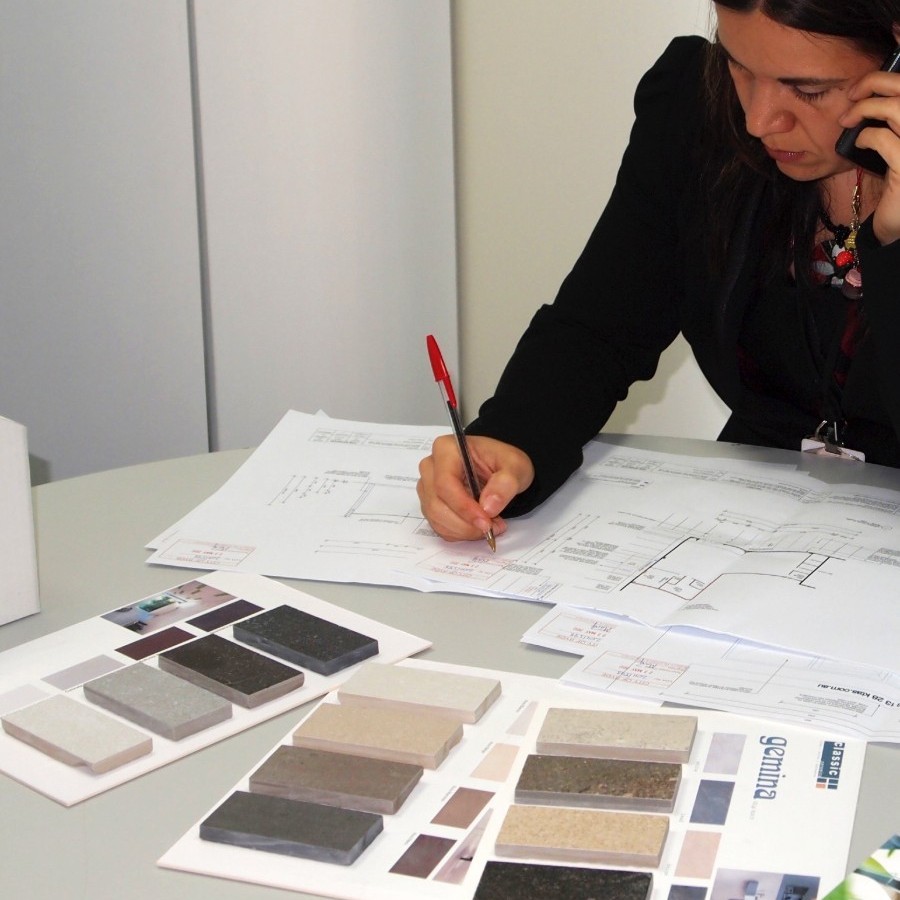
Forward Thinking Design provides impact-driven built environment strategy and design services in Australia. They combine design thinking with financial, social, and environmental responsibility to help values-led organizations improve their spaces. Forward Thinking Design specializes in strategic planning, facilitation, layout planning, interior fitout design, and circular economy training and advocacy. FTD Circular enables organizations to reduce emissions and waste to landfill, achieve measurable impacts, and unlock economic value through sustainable design, procurement, construction, maintenance, and resource valorization. They offer pro bono and discounted services to charities and social enterprises. Forward Thinking Design is a Social Traders Certified Social Enterprise and a member of Social Enterprise Council of NSW & ACT (SECNA) and Circular Australia.
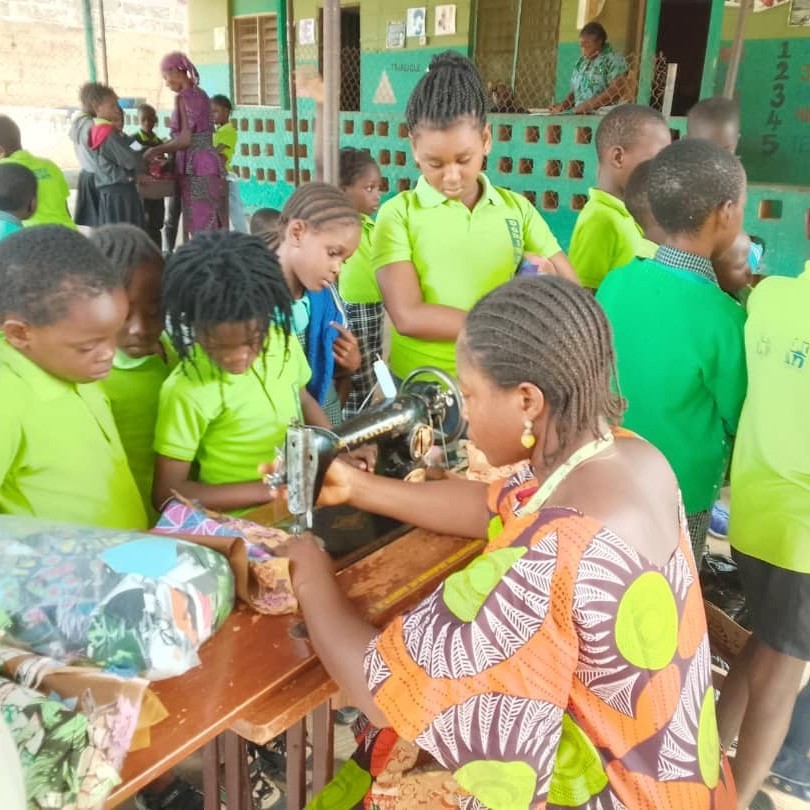
El Plethora Vocational Academy empowers women and youth in Ibadan, Nigeria, to achieve financial security, live purposefully, and build transgenerational wealth. They provide free, community-based vocational, digital, and entrepreneurship training courses, skills-based mentorship, and flexible hybrid work. Their Eco-ReGene Africa brand specializes in apparel and accessories made from upcycled plastic, paper, and textile waste. They also promote local production of Adire and other traditional fabrics to support artisans and protect Nigerian cultural heritage.
Life Goals Australia equips people with disabilities in Australia with the practical skills and support they need to live independently. Their app and online services help people overcome day-to-day challenges, set goals, make decisions, build skills, handle administrative tasks, advocate for themselves, and navigate the National Disability Insurance Scheme (NDIS). Their support is person-centered and strengths-based. Life Goals Australia has remote and paperless operations to reduce environmental impact, minimize unnecessary overheads, and improve accessibility.
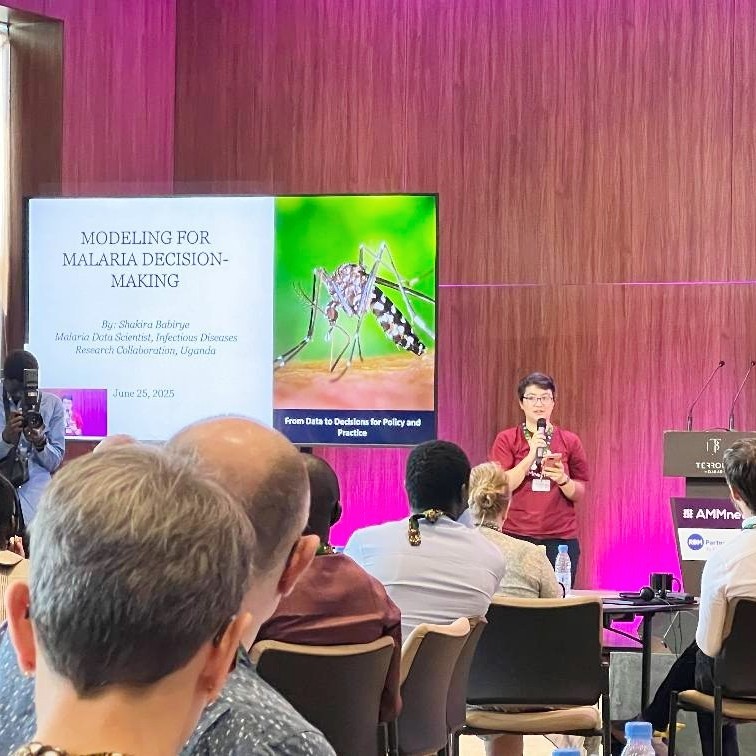
Applied Malaria Modeling Network (AMMnet) Zambia brings together modelers, analysts, scientists, public health professionals, partner institutions, and civil society groups to control and eliminate malaria in Zambia. They develop and use quantitative tools to advance malaria research and inform decision-making. AMMnet Zambia is part of the global AMMnet community. They host hackathons, trainings, seminars, and other special events and activities for networking, collaboration, learning, and knowledge-sharing.
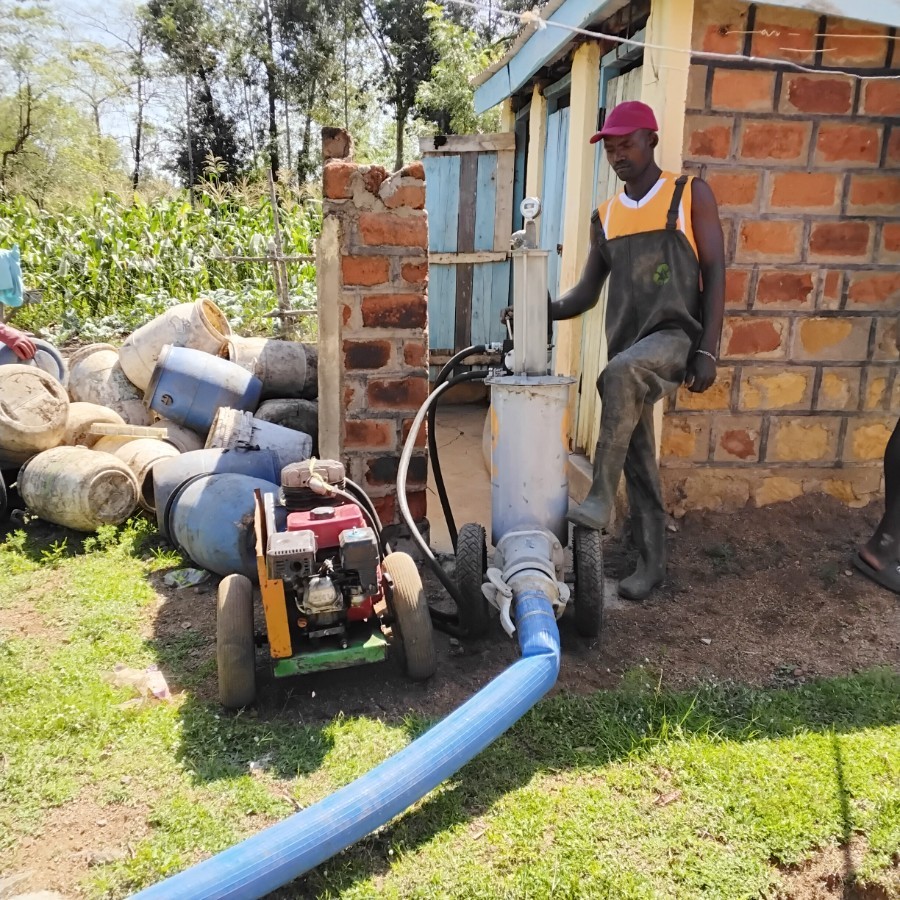
Gasia Poa Waste Management Services promotes healthy living in low-income communities in Kenya through environmentally responsible sanitation and waste management services. They specialize in the collection, transport, and disposal of municipal solid waste and human waste from households, institutions, and commercial establishments. Gasia Poa Waste Management Services also supplies clean water to low-income communities in Kisumu through a partnership with Kisumu Water and Sewerage Company. They are a member of the CEWAS alumni network.
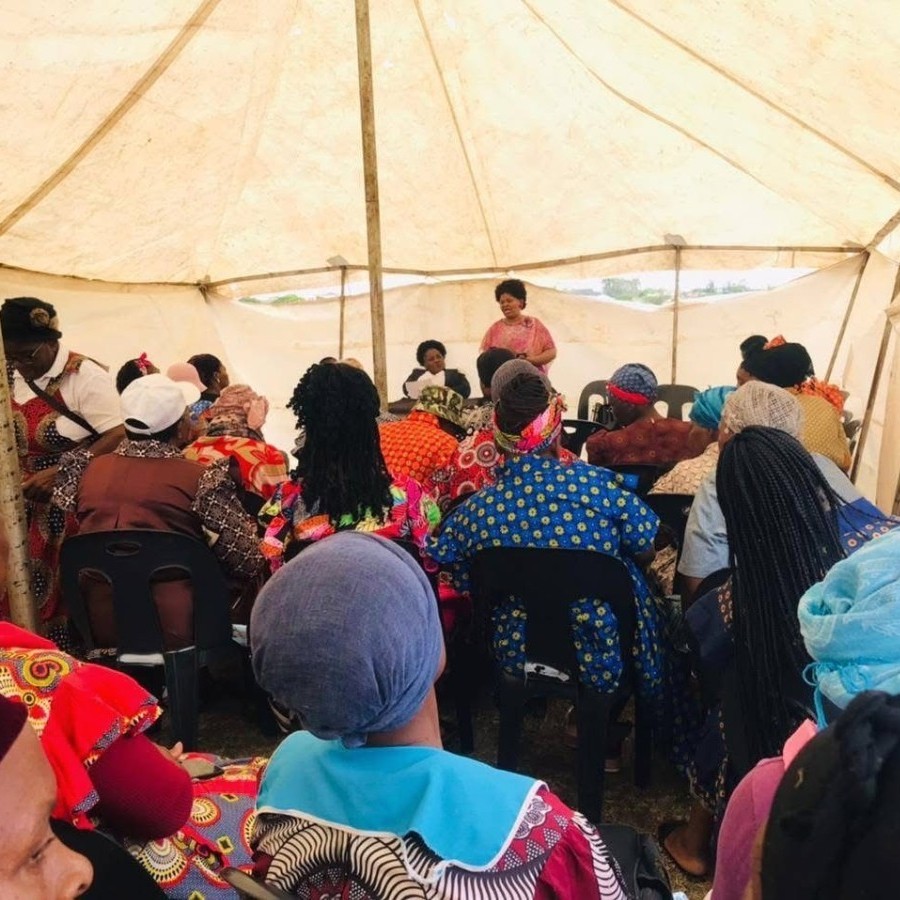
Morena Onthatile Home for Disabled works to improve the health, dignity, and inclusion of people with disabilities in Mabopane, South Africa. They provide physiotherapy, disability care, home visits, counseling, health education, volunteer training, and other support services for people with disabilities and their families, especially those from low-income or rural backgrounds. By providing local community-based support, they reduce dependence on distant hospitals and urban facilities and save people time and money. Morena Onthatile Home for Disabled partners with local clinics, hospitals, schools, and community leaders to promote early intervention, accessibility, and health equity. They share donated mobility aids, medical equipment, and educational materials and offer free or low-cost services to people in need. Morena Onthatile Home for Disabled is a not-for-profit organization and reinvests all surplus towards their mission.
Women’s Chamber of Industry and Commerce (WCIC) was established in 1985 to represent women entrepreneurs in Sri Lanka and support their professional and business development. They provide business support services, offer training, knowledge sharing, and capacity building programs, and create opportunities for skills development, mentorship, networking, and sales for female entrepreneurs. The WCIC Women Entrepreneur Award is an annual event that recognizes, showcases, and rewards women entrepreneurs for their positive contributions to the economy. WCIC advocates for policies that advance women’s participation in economic development.
Viburnum Bridge helps Ukrainian veterans heal from the trauma of war, reconnect with loved ones, reintegrate into society, and recapture lost opportunities. They provide access to trauma-informed care, psychiatric evaluation, free mental health therapy, and wellness programs for veterans suffering from post-traumatic stress disorder (PTSD) and other war-induced mental health conditions. Participating veterans are matched with local or online peer support groups for continuous mentorship and guidance by a community with similar lived experiences. Viburnum Bridge helps veterans transition into meaningful careers through tailored training, certifications, career coaching, and hands-on job placements with partner organizations. They support employers who hire veterans through talent matching, onboarding guidance, coaching access, and integration tips. Viburnum Bridge is a Community Interest Company (CIC) and a member of Social Enterprise UK.
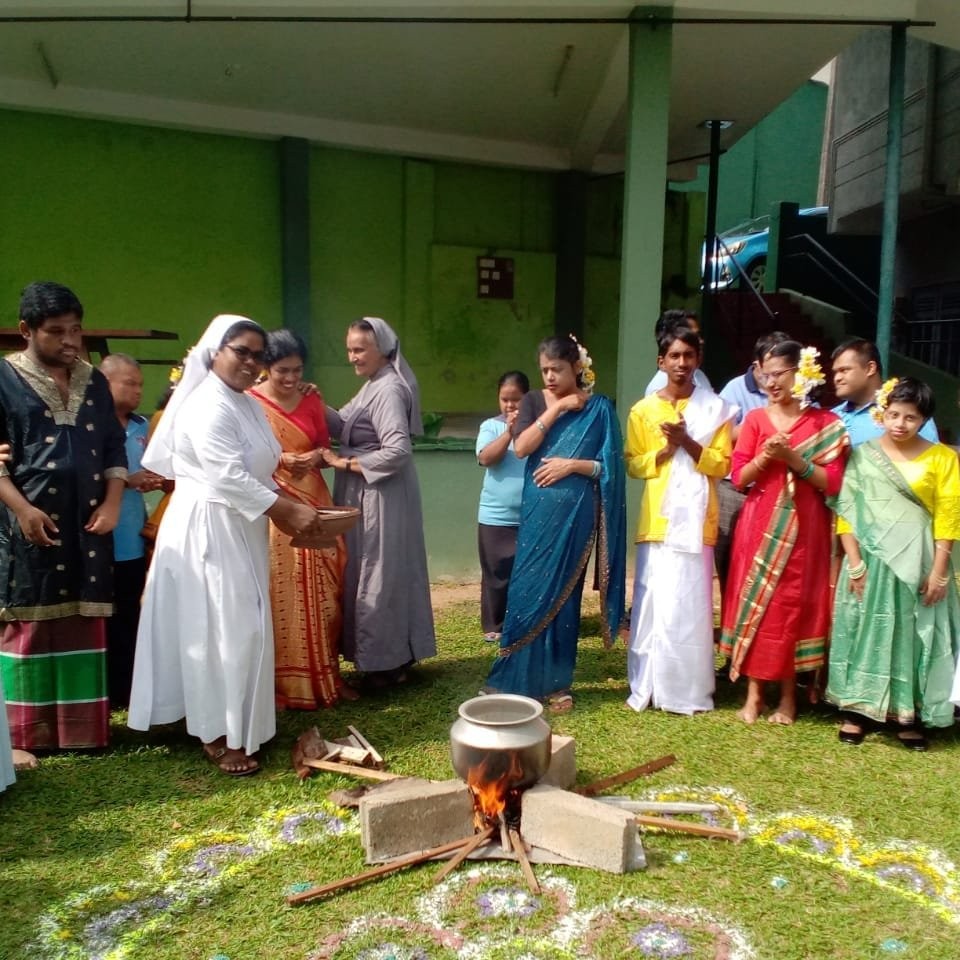
Daya Mina Centre was started in 1989 to help differently-abled children and young adults in Sri Lanka develop to their potential and live life as fully as possible. Their day centre provides education, life skills, vocational skills, and music, art, dance, sport, and recreational programs for young people with learning disabilities. They also offer outreach programs, home visits, counseling, and other support for parents, siblings, relatives, and friends. Daya Mina Centre is run by the Congregation of the Sisters of Charity of Jesus and Mary. They are a not-for-profit organization and reinvest all surplus towards their mission.
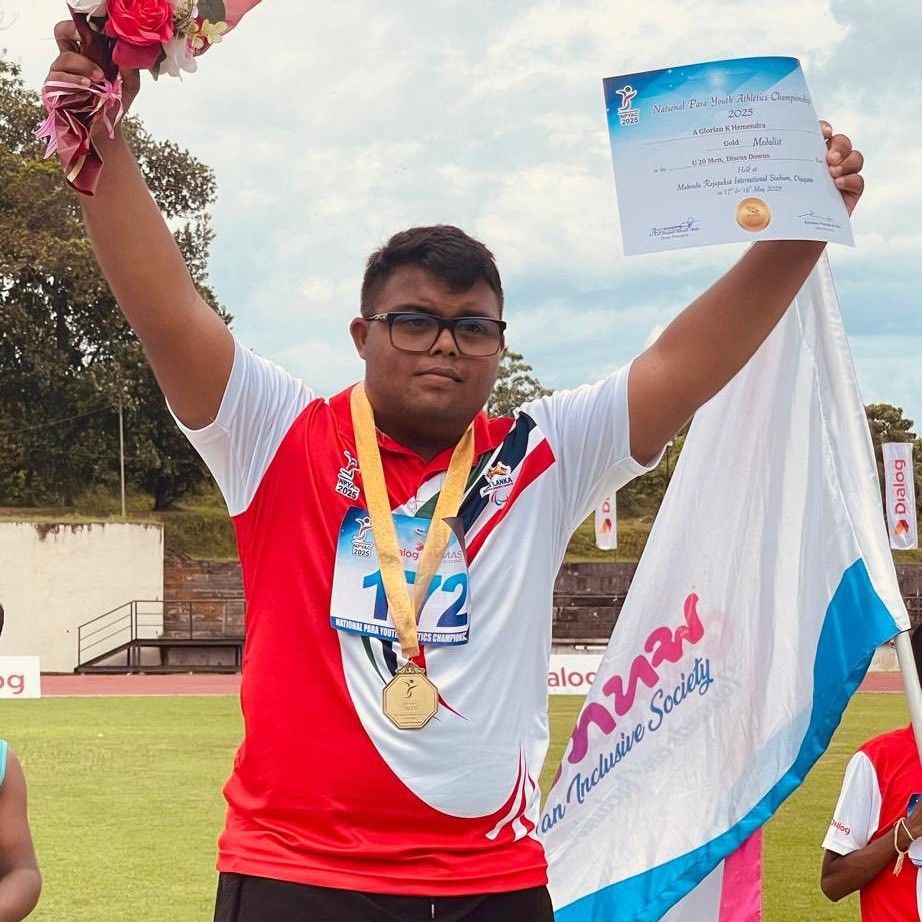
Heroes Club promotes inclusion and empowers people with disabilities in Sri Lanka to lead independent, fulfilling lives through sports, skills training, and community engagement. They create opportunities for individuals with intellectual, visual, and hearing disabilities to participate in sports, develop life and vocational skills, and build sustainable livelihoods. Being part of a sports team builds confidence, teamwork, and leadership skills that support independent living and can be channeled into sustainable income-generating ventures. Heroes Club is a not-for-profit organization and reinvests all surplus towards their mission.
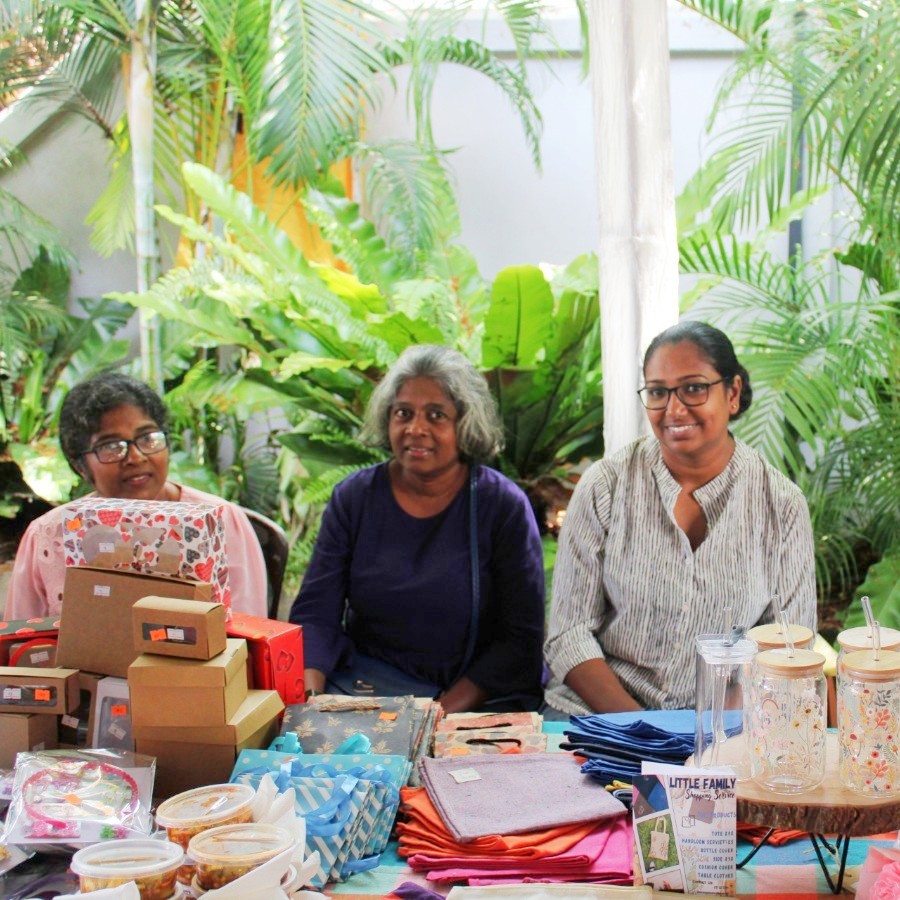
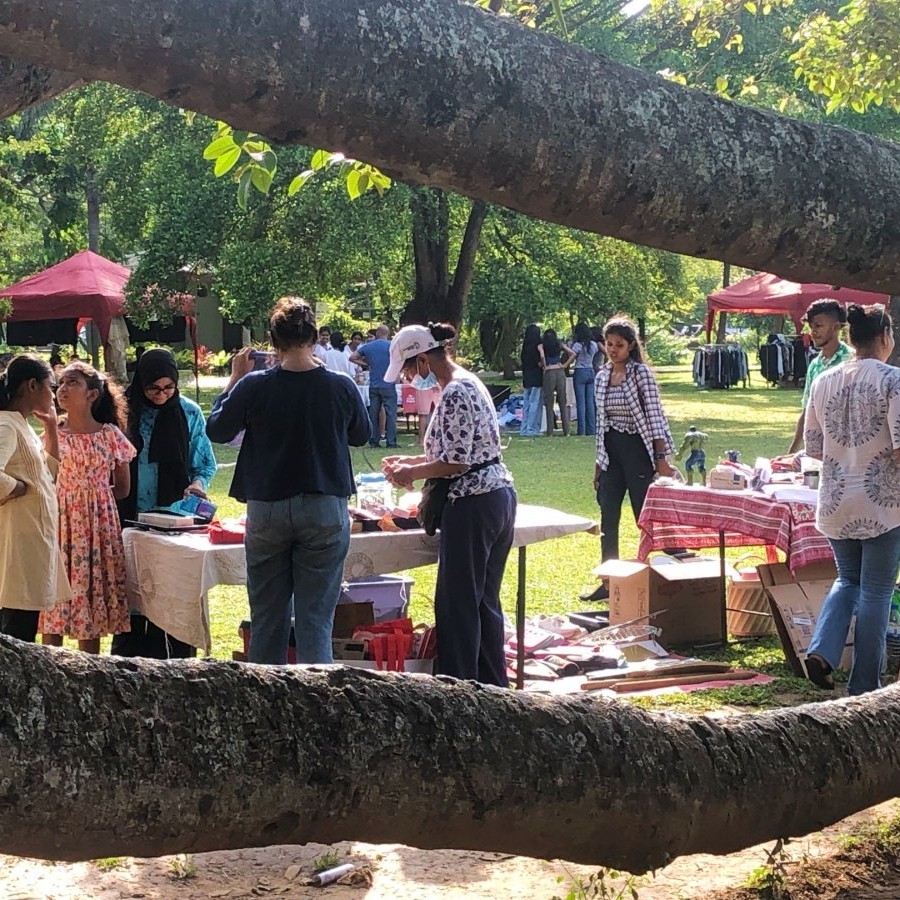
Ceylon Flea Market promotes sustainable living by organizing marketplace events for buying, selling, and donating preloved goods in Colombo, Sri Lanka. Vendors offer secondhand clothing, ornaments, jewelry, electronics, crockery, books, toys, collectibles, and other household items. Ceylon Flea Market promotes mindful consumption, gives preloved goods a new life, and diverts waste from landfills. They provide a free stall for charitable organizations to receive donated items.
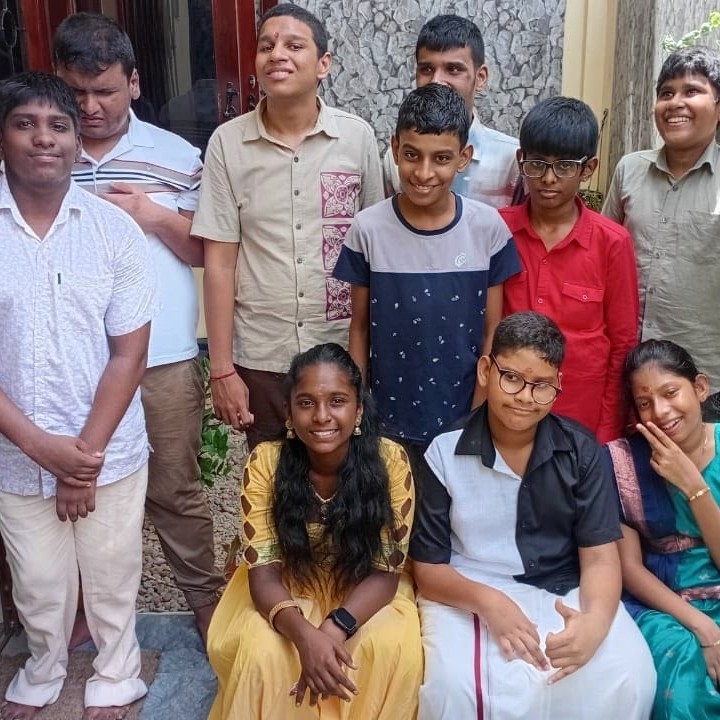
Victory Path provides inclusive education for children with special needs in Colombo, Sri Lanka. They help students with physical and mental disabilities learn self-expression, build confidence, and develop other personal skills that empower them to lead independent and fulfilling lives. Beyond the classroom, Victory Path offers skills development and livelihood training through practical activities and the production of candles, incense sticks, and recycled paper bags. They are a member of the Association for the Intellectually Disabled in Sri Lanka.
Ms Rebecca’s Corner supports mindful early childhood development through children’s stories that nurture a love for reading, encourage empathy, and promote environmental consciousness. They create illustrated storybooks and offer book-themed merchandise and art prints. The books are locally printed on responsibly sourced paper. Ms Rebecca’s Corner engages with the local community through community storytelling sessions, reading circles, and collaborations with local artisans. They support animal welfare initiatives and local social causes.
Farai Development Solutions provides consulting and advisory services to help businesses in South Africa grow and positively impact society. They specialize in management consulting for micro, small, and medium enterprises, business funding facilitation, data protection compliance, and leadership training. They also provide advisory services to help South African businesses comply with Broad-Based Black Economic Empowerment (B-BBEE) legislation. Farai Development Solutions works with partners to create employment opportunities for local youth, provide free youth leadership training, and support wellness counseling.
Island Flavours by Chalani offers affordable, traditional Sri Lankan meals and snacks that strengthen local food systems and support sustainable living. They specialize in breakfast and lunch packs wrapped in banana leaves and recycled newspaper to prevent waste. Island Flavours by Chalani sources leafy greens and herbs from their own pesticide-free home garden and purchases vegetables, raw spices, and other ingredients directly from small-scale local producers and fishermen who use traditional, low-impact fishing methods. Meals are prepared in small batches on a coconut shell stove, and kitchen waste is composted and used in their home garden to create a closed-loop system. Island Flavours by Chalani shares food with neighbors, people in need, school gatherings, and local community events.
Saurashtra Handlooms offers handwoven textiles to preserve the traditional art of handloom weaving in Jaipur, India, and uplift the economic status of artisans. They produce bedspreads, blankets, throws, towels, cushion covers, shawls, scarves, and other housewares and accessories from natural, locally sourced, and recycled materials. Products can be dyed and hand block printed with indigo and other natural and azo-free dyes. Saurashtra Handlooms partners with village artisans, provides training, assists with production equipment, and coordinates social awareness and health programs. They are Handloom Mark and India Handloom Brand certified.
Not Normal Store offers sustainably sourced apparel made from environmentally responsible, vegan materials. Their ECONYL® swimwear uses regenerated nylon produced from discarded fishing nets, fabric scraps, and industrial plastic waste that would otherwise pollute oceans and landfills. Products are shipped in biodegradable packaging.