Welcome to Good Market Info!
Click the logo to return to the Good Market app
Welcome to Good Market Info! Click the logo to return to the Good Market global app.
Welcome to the 76 social enterprises, cooperatives, responsible businesses, community initiatives, and networks that became Good Market approved in May 2026! This month’s roundup includes new members from Argentina, Paraguay, Colombia, El Salvador, the United States, Canada, South Africa, Ethiopia, Portugal, Spain, Scotland, England, the Netherlands, Denmark, Estonia, Latvia, Hungary, Serbia, Albania, North Macedonia, Moldova, Georgia, India, Sri Lanka, and Australia. You can see half of them below. Part 1 is here. More than 5,376 enterprises across 130 countries are now part of the Good Market commons.
Köniz, Switzerland
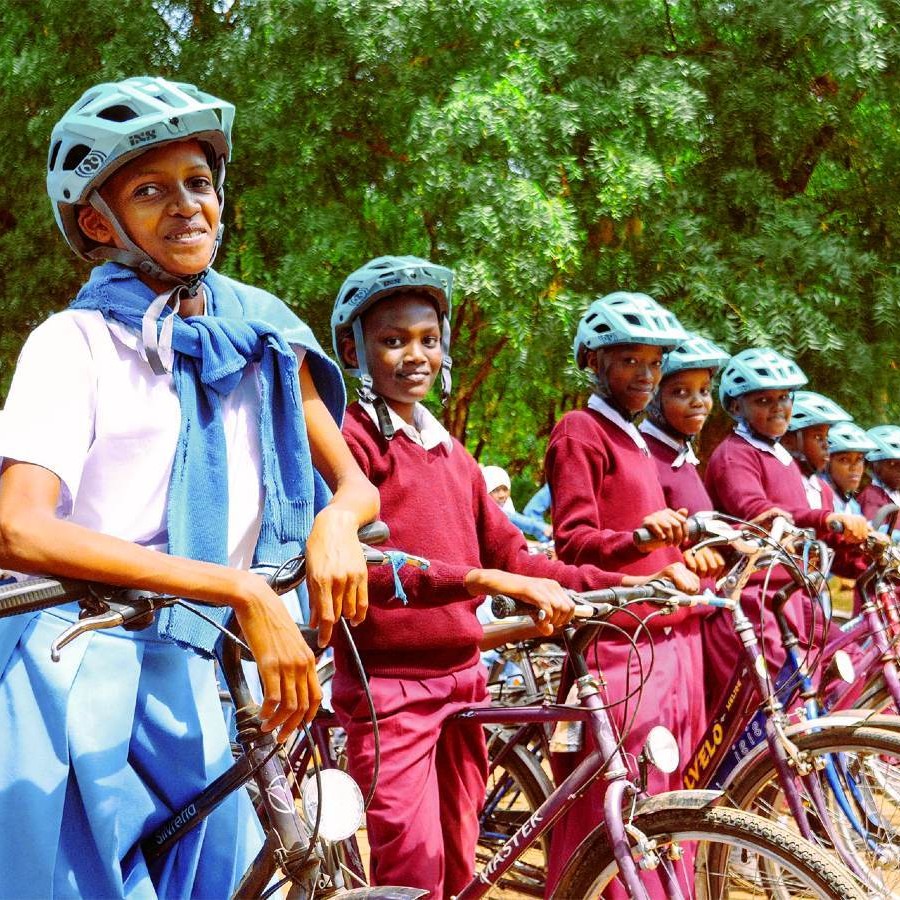
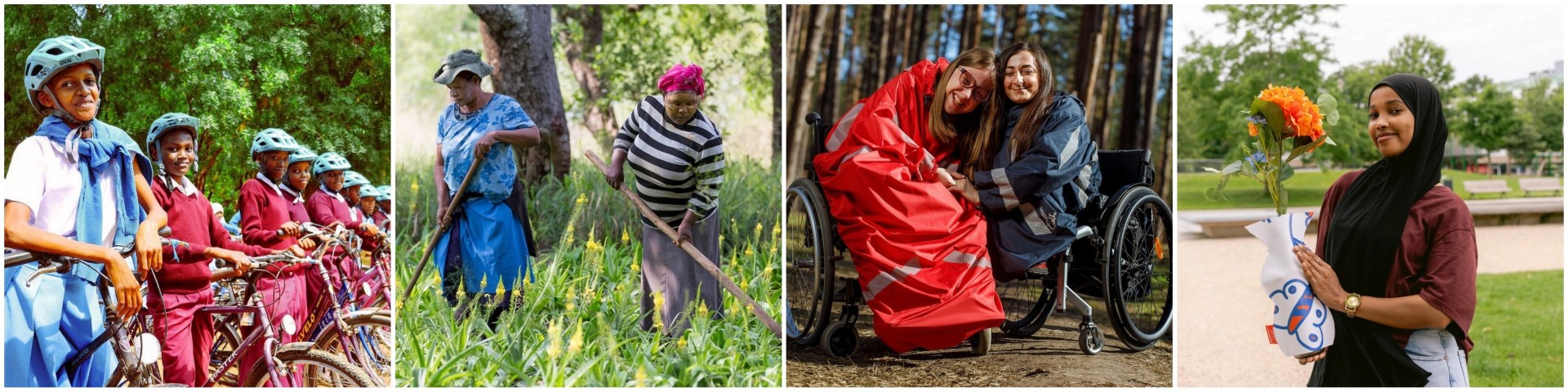
Velafrica was founded in 1993 to contribute to a circular economy, benefit disadvantaged groups, and help create a world where all people can enjoy the benefits of bicycle mobility to improve their lives. They collect donated bicycles in Switzerland, partner with local work integration enterprises and correctional facilities to repair and recycle them, and export the refurbished bicycles and spare parts to partner companies in East and West Africa. In Switzerland, their production partners provide work and training opportunities for people who face labor market barriers. In Africa, local partners purchase quality bicycles and spare parts at affordable rates, set their own local prices, create jobs, and strengthen the formal economy. Velafrica’s Bike-to-School program helps schoolchildren access education through bicycle mobility. Their Bikepreneurs program trains local bicycle mechanics and strengthens repair ecosystems. Velafrica operates under Stiftung Sinnovativ and reinvests all surplus towards purpose. They are Zewo certified and a member of SENS Social Entrepreneurship.
New York, New York, United States
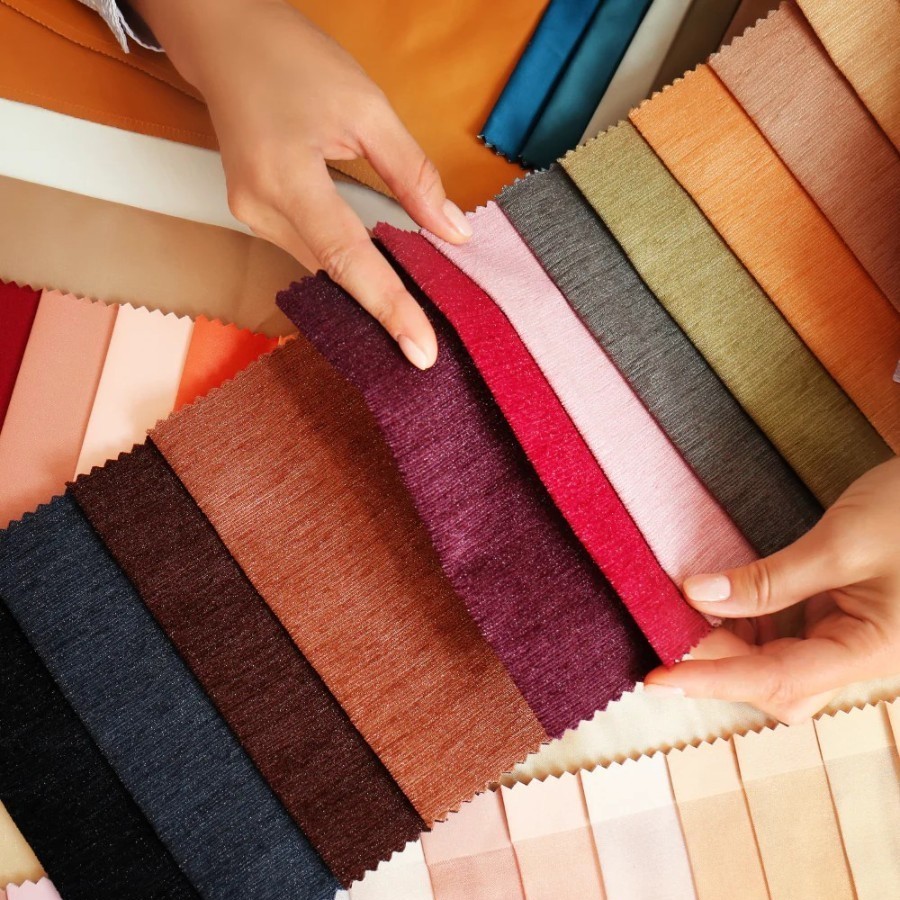
World Collective makes textile sourcing efficient, responsible, transparent, and digitally operational. They connect fashion brands with vetted suppliers through a data-driven global sourcing platform that enables brands to prioritize lower-impact materials, shorten supply chains, and shift production closer to end markets. Suppliers showcase their fabrics, yarn, and other sustainable materials, highlight their certifications, and connect directly with buyers actively sourcing sustainable fabrics. They give historically under-represented supplier communities structured visibility, access to international demand, built-in traceability, and integrated Digital Product Passport readiness, and European Union compliance. World Collective enables multiple brands to collectively commit to a single material to meet minimum order quantities, so that smaller and emerging brands can access supplier capacity, next-generation materials, compliance-ready supply chains, and pricing that would otherwise be reserved for large buyers.
Kampen, Netherlands
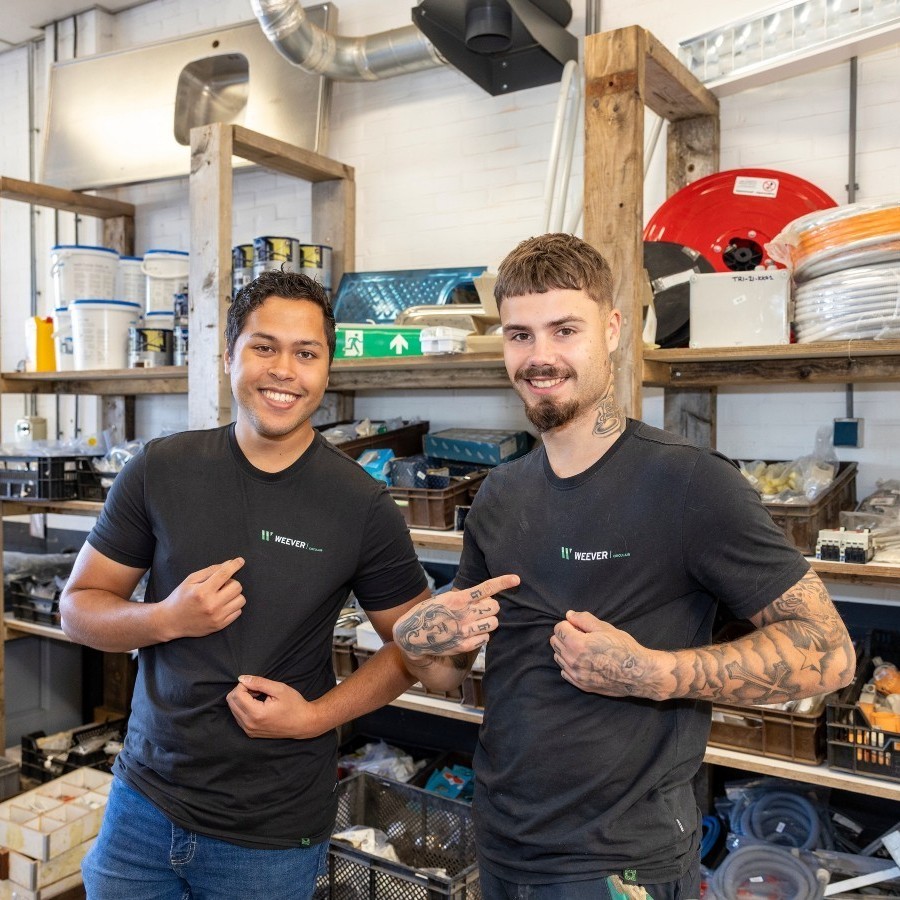
Weever Circulair aims to make the construction sector in the Netherlands more circular and inclusive by preventing valuable materials from being lost and creating work opportunities for people who face labor market barriers. They collect construction and demolition materials, like doors, windows, electrical components, and wood, for refurbishment, reuse, and upcycling. These circular construction materials are used in other projects or sold to the public at low rates. Weever Circulair trains, employs, and guides “Resource Rescuers” to carry out circular activities such as dismantling, sorting, and processing materials for reuse. Their reintegration program supports personal development and the transition to sustainable work or learning pathways. By giving building materials a second life, they divert waste from landfills, conserve natural resources, and reduce carbon emissions. Weever Circulair is registered under the Code Sociale Ondernemingen and is a member of Social Enterprise NL, United Economy, De Normaalste Zaak, Branchevereniging Kringloop Nederland, and WaardeRing Zwolle.
Dakeni, South Africa
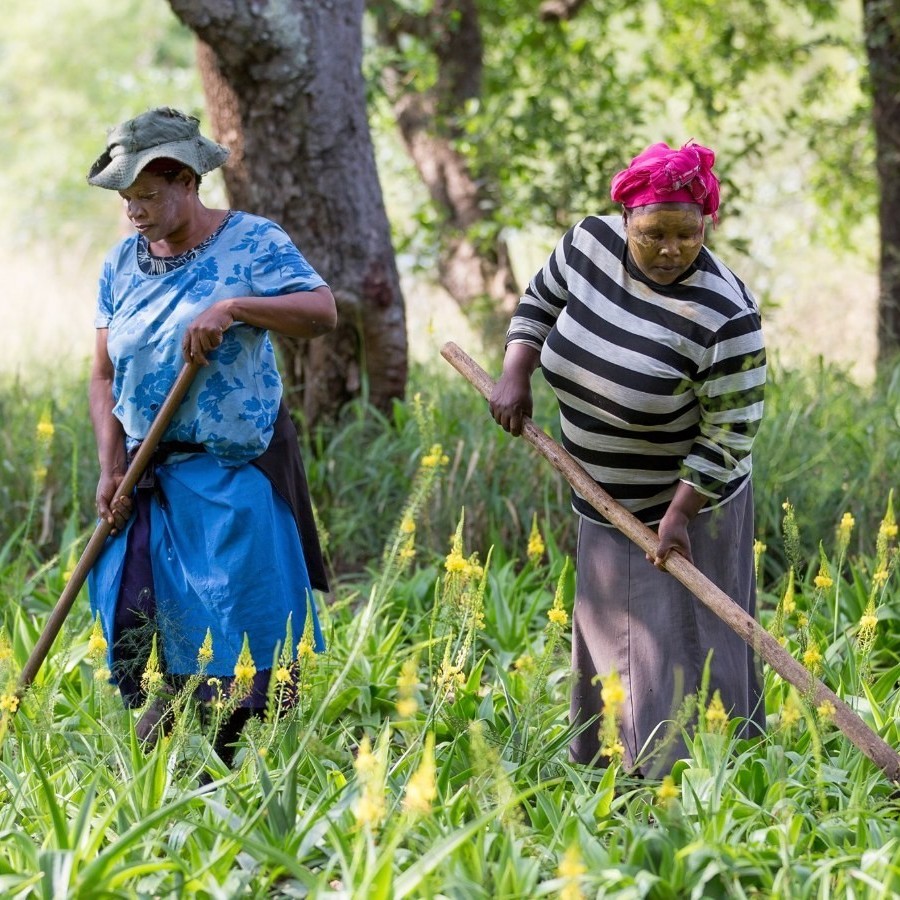
Muthi Futhi cultivates and processes indigenous African plants, creates jobs for rural women in KwaZulu-Natal, South Africa, protects medicinal plant species, and raises international awareness of African plant biodiversity. They offer inhlaba, umhlonyane, ibhucu, uvongothi, umondi, isiphephetho, isibaha, inkomfe, umathunga, inguduza, and other medicinal plants as bulk herbal powders for botanical wellness products, moringa leaf powder for individual customers and manufacturers, and indigenous grasses, aloes, and other plants for commercial landscapers. Muthi Futhi was developed to provide flexible employment for local women in the small village of Dakeni on the Tugela River. They cultivate according to organic principles with no synthetic chemical inputs. Edakeni Muthi Futhi Trust is a financially self-sustaining Community Trust benefiting the community of Dakeni.
Utrecht, Netherlands
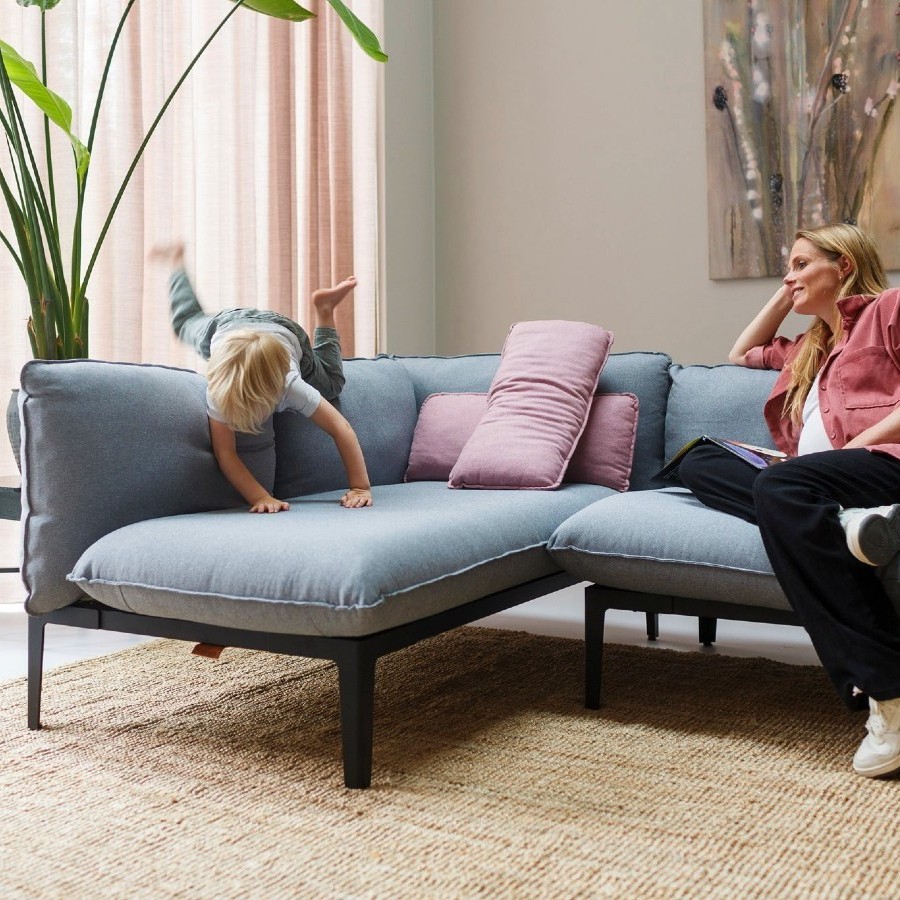
Kairos Furniture makes the furniture industry in the Netherlands more sustainable by designing and manufacturing modular sofas for lifelong use. They produce corner, standard, U-shaped, and lounge sofas with a durable steel frame, removable and washable covers, and refillable cushions for easy maintenance, repair, and replacement of all parts. Their cushions are filled with Dutch sheep wool, covered with fabrics made from post-consumer plastic bottle waste, and sewn by the i-did Factory in The Hague, which provides work for the long-term unemployed. Sofas can be resold to secondhand buyers, and Kairos buys back and recycles those that do not find new owners. Every sofa has a QR code linked to a materials passport to provide insight into the age and the materials used. Kairos Furniture is a member of Social Enterprise NL and Fibershed Nederland.
Rincón de Milberg, Argentina
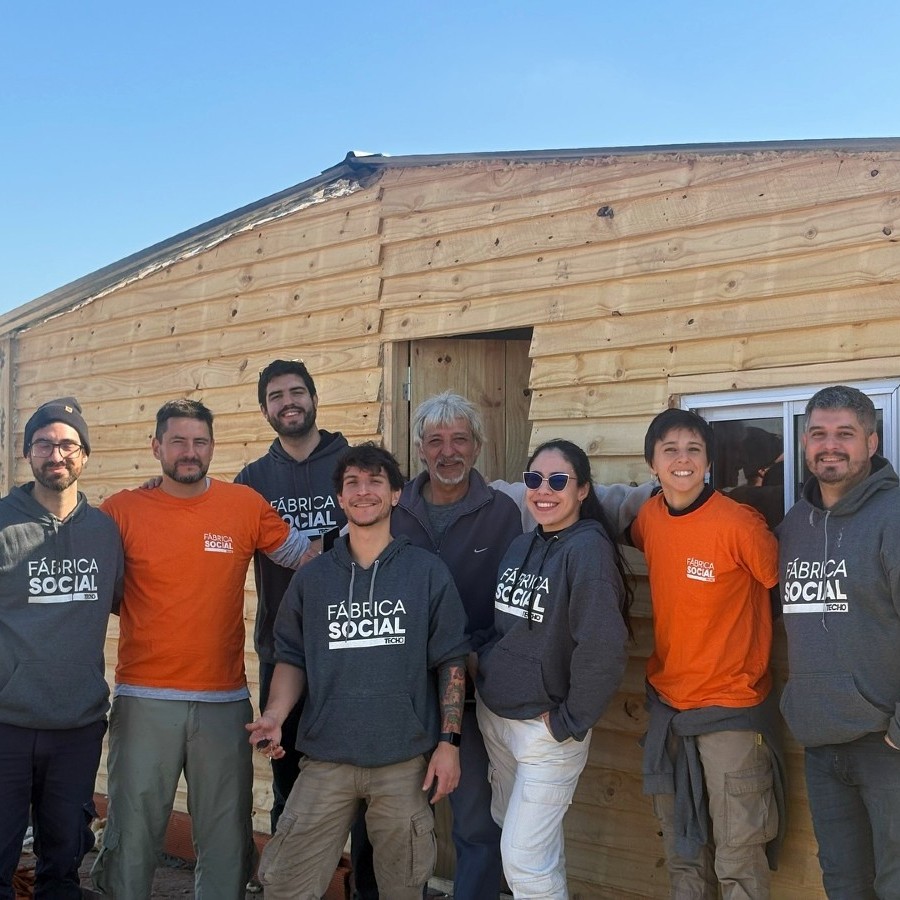
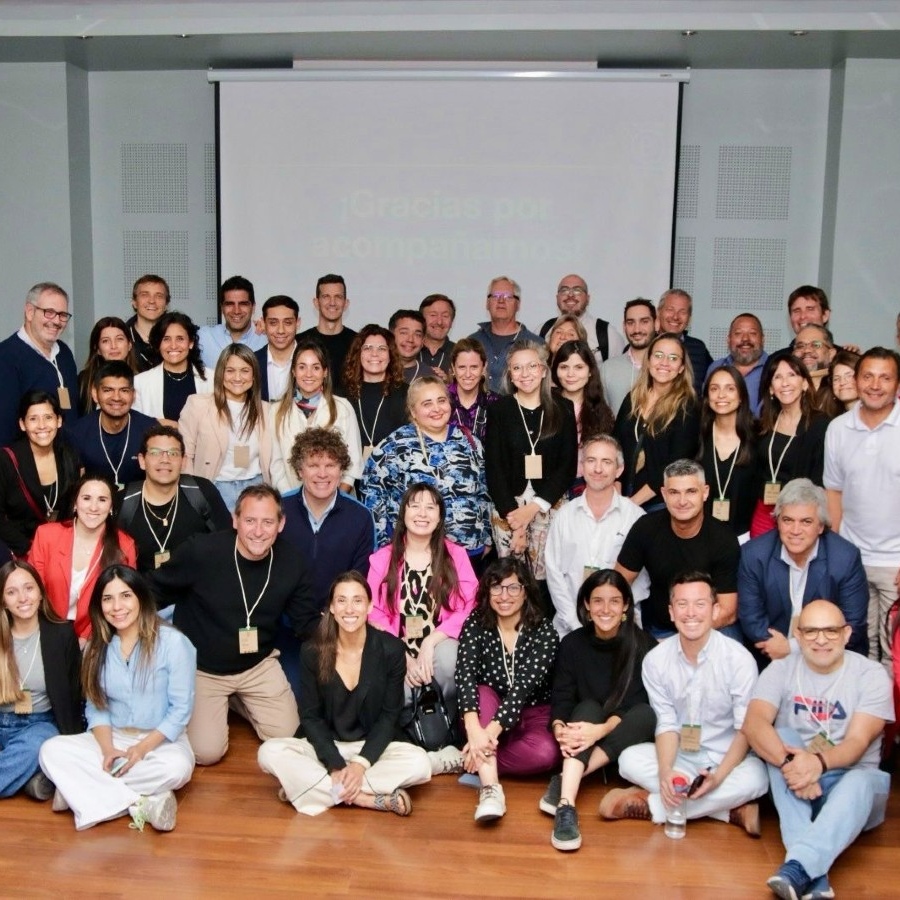
Fábrica Social TECHO designs and implements housing solutions in Argentina and facilitates access to adequate housing for families in vulnerable situations. Their emergency housing line includes quick-to-install prefabricated wooden modules, a self-build manual, and an optional bathroom and kitchen module and electrical kit. Their progressive housing line is modular and designed to be built in stages, allowing occupants to move in quickly at a low cost and expand as family needs grow and financial situations change. They offer a housing model for families with disabilities and ensure all houses comply with local building standards and CIRSOC-601 regulations. Fábrica Social serves as the manufacturing arm of TECHO, a youth-led nonprofit that fights extreme poverty in Latin America and the Caribbean. Their production centers optimize resources, reduce housing costs, and provide training and permanent, formal employment to residents of informal settlements. Fábrica Social TECHO Argentina reinvests all surplus towards their purpose.
Rīga, Latvia
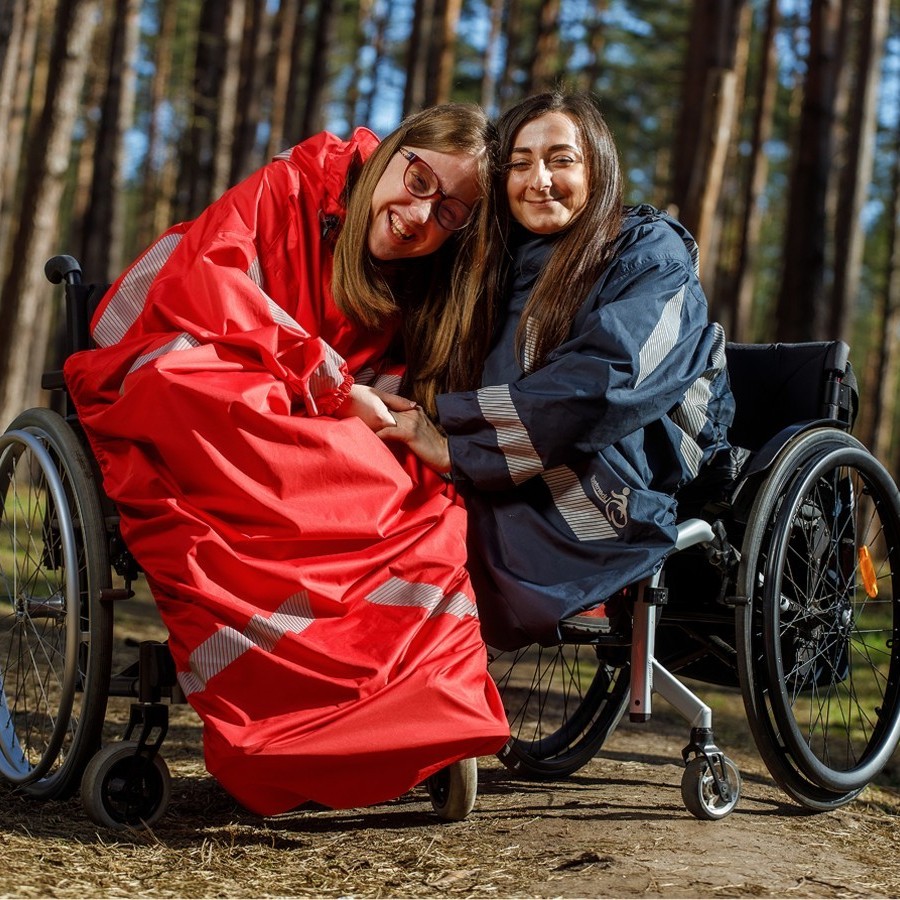
BRIVA develops innovative, practical, and inclusive clothing that enables people with mobility impairments to live more active and fulfilling lives. They work with wheelchair users to design adaptive clothing and accessories that address real-life challenges and improve comfort, independence, and participation in everyday and outdoor activities regardless of weather conditions. BRIVA prioritizes responsibly sourced materials to ensure durability, sustainability, and comfort for prolonged seated use. They manufacture locally and minimize material waste and environmental impact. BRIVA organizes an inclusive team for the Riga Marathon, enabling wheelchair users to participate alongside assistants and volunteers and promoting equal opportunities in sports and public life. They conduct educational activities on the importance of adaptive clothing and inclusive environments for people with mobility impairments. BRIVA is a member of Latvijas Sociālās Uzņēmējdarbības Asociācija (LSUA).
Tostado, Argentina
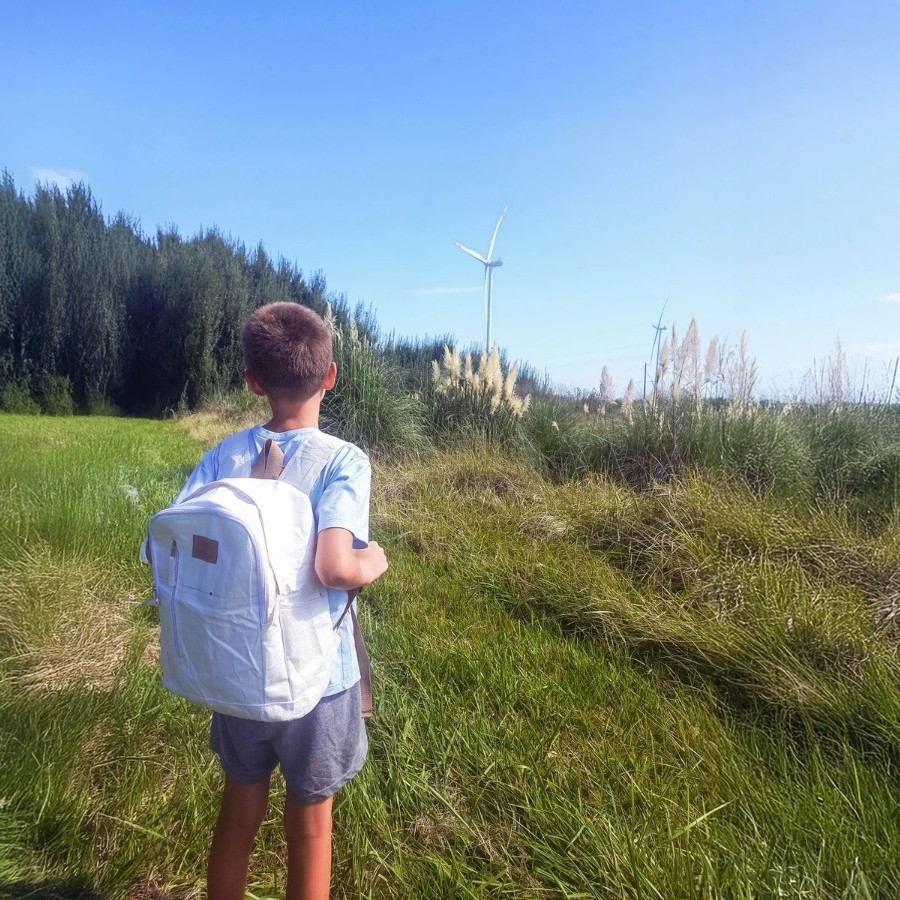
Minka redesigns production systems in Argentina to transform inefficiencies, underutilized capacities, and wasted flows into circular economic value. They partner with companies to repurpose pre-consumer waste, obsolete materials, and end-of-life products to produce backpacks, tote bags, lunch boxes, notebook cases, and other functional, branded products. They also provide training, environmental management consulting, and process development services. Minka applies eco-design principles to ensure products made from industrial pre-consumer waste have an extended useful life and are fully recyclable at the end of their lifecycle, effectively closing the loop. They ensure efficient water and energy use and minimize reliance on virgin raw materials. Minka hires services from local suppliers with existing facilities and prioritizes cooperatives and workshops in rural areas. They actively promote local and inclusive employment, responsible consumption, and the circular economy.
Emmen, Netherlands
Kollectief creates new products from old materials and prepares women from diverse cultural backgrounds for the labor market in the Netherlands. They make bags from old banners, earrings from recycled plastic, garlands from fabric remnants, birdhouses from scrap wood, and other custom upcycled products; maintain a gift shop and online store; and offer creative workshops for teams, groups, and events. Their development programs include job coaching, skills training, language classes, work experience opportunities, and placement support. Kollectief provides participating women with a welcoming, safe, and accessible workplace where they can be themselves and develop at their own pace. They partner with local community organizations and municipalities to promote circular economy practices, inclusion, and social workshops. Kollectief is registered under the Code Sociale Ondernemingen and is a member of Social Enterprise NL, Impact Noord, Ik ben Drents Ondernemer, and Ondernemend Emmen. They reinvest all surplus towards their mission.
San Salvador, El Salvador
INSERT supports the creation and development of purpose-driven organizations and promotes the impact economy in Central America. They focus on triple impact and social innovation consulting, social enterprise incubation and acceleration, B Corp certification support, and training and mentoring. INSERT works with companies, educational institutions, and governments to co-design and implement people-centered projects that drive economic, social, and environmental impact in local communities.
Córdoba, Argentina
Cooperativa de Trabajo Caleidoscopio provides audiovisual production services with a focus on gender perspectives in Córdoba, Argentina. They organize community film and photography workshops and produce documentaries, institutional videos, and audiovisual digital marketing campaigns. Their content is freely available for educational uses. Cooperativa de Trabajo Caleidoscopio collaborates with Civil Association Casa de Hombres Trans and raises awareness of issues related to the rights of women and LGBTQ+ people. They are a worker cooperative led by women and gender-diverse individuals.
Bennington, Vermont, United States
Belart offers fair trade jewelry and home decor, integrates traditional art forms and contemporary design, and creates opportunities for vulnerable artisans, particularly women and displaced families in Colombia. Their products are handcrafted from upcycled horn, figue agave fibers, plant-based resin, tagua, vintage lace, and other environmentally responsible materials. Belart contributes to lasting social impact through sustainable employment, fair wages, and skill development in artisan communities. They contribute proceeds from specific products to aligned social and environmental initiatives and regularly support Project Against Violent Encounters (PAVE) and the Sunrise Family Resource Center in Bennington, Vermont. Belart is a Fair Trade Federation verified member.
Chișinău, Moldova
EduJoc promotes learning through play in Moldova, provides a healthy alternative to screen time for children, and creates inclusion opportunities for local seniors. They produce educational toys and games, organize free creative workshops for children, parents, and educators, and offer seminars on the cognitive and emotional development of children through exploration and creativity. EduJoc involves grandparents from the community in the production process, capitalizing on their experience and craftsmanship, while giving them a sense of belonging and utility. They produce locally, prioritize renewable materials, and rent out large wooden games to promote sharing and the circular economy. EduJoc is a member of Platform for the Development of Social Entrepreneurship (PDAS). They reinvest all surplus towards their mission.
Panama, Sri Lanka
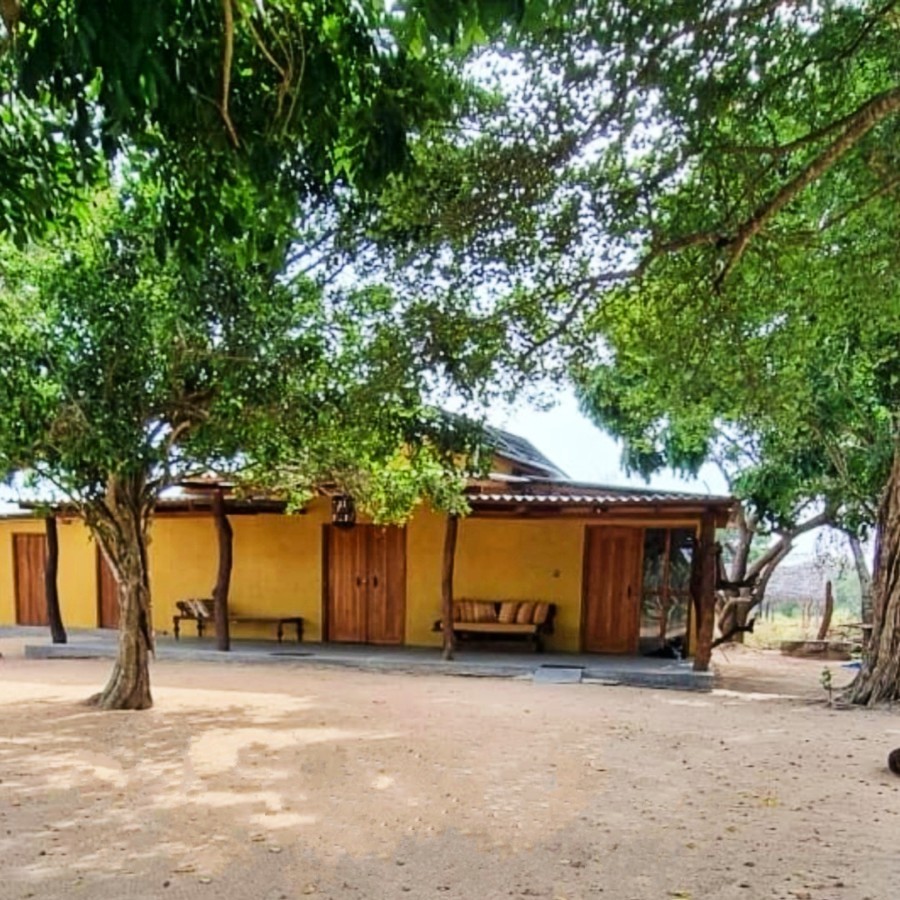
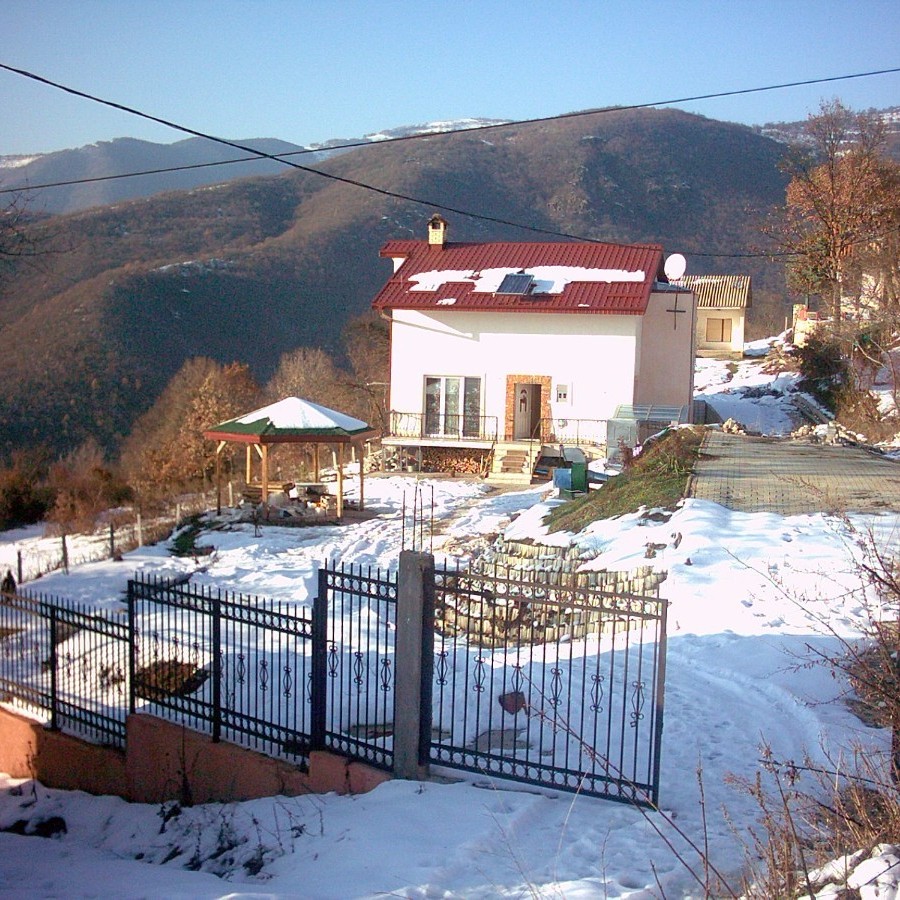
Palu offers an authentic, affordable retreat rooted in Panama on Sri Lanka’s east coast, near Kumana National Park and Arugam Bay. The space includes a small house with a fully equipped kitchen, a campsite with a camp kitchen, and a community cafe with Sri Lankan food and tropical juices. Palu uses off-grid solar power, grows food onsite, sources from neighboring farmers and fishermen, and hires and trains people from the surrounding community. The facilities are small by design to minimize the impact on the land, the community, and the local wildlife. Palu partners with the local kindergarten and contributes resources, materials, and support.
Chinnakakani, Andhra Pradesh, India
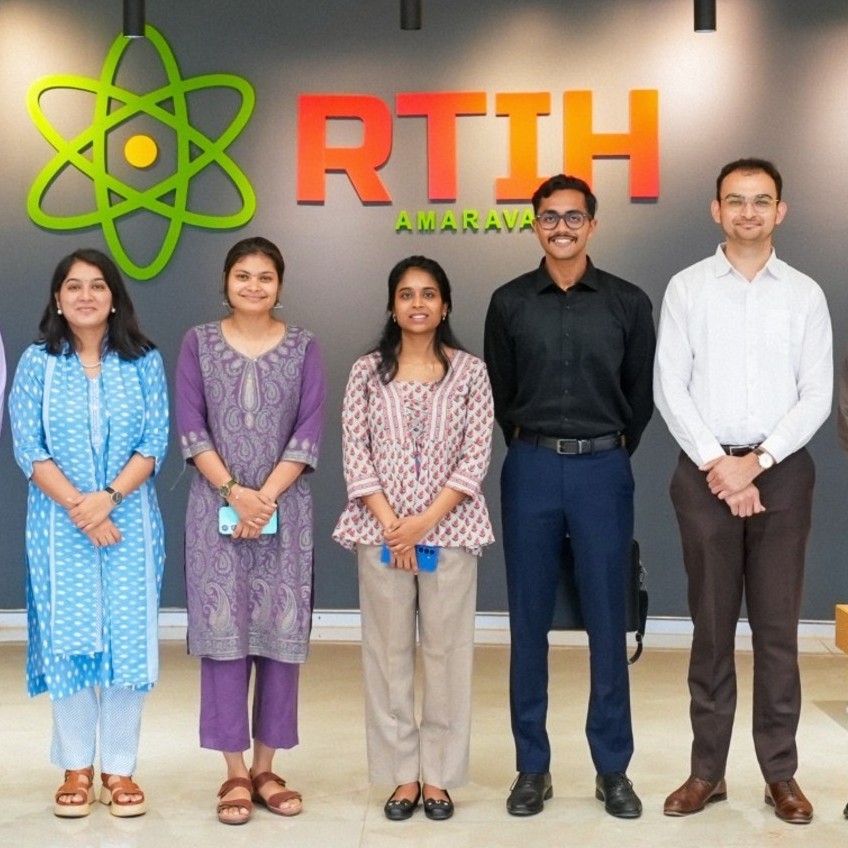
Ratan Tata Innovation Hub (RTIH) fosters innovation, entrepreneurship, and startup culture to drive inclusive economic growth in Andhra Pradesh, India. They nurture the startup ecosystem, incubate and accelerate innovation, and provide support to entrepreneurs from idea to proof of concept, scaling, and commercialization. RTIH offers mentorship, seed funding, prototyping facilities, coworking spaces, corporate and market linkages, and a strong governance framework. They focus on artificial intelligence (AI), biotech, clean energy, advanced manufacturing, and emerging technologies. RTIH also organizes ecosystem development events, workshops, bootcamps, hackathons, and challenges to improve the state’s startup culture. They promote inclusivity by engaging women, rural innovators, and underrepresented groups. RTIH is an initiative of the Andhra Pradesh state government, with a hub in Amaravati and spokes in Vijayawada, Anantapur, Visakhapatnam, Tirupati, and Rajahmundry.
Addis Ababa, Ethiopia
Hani’sh preserves and modernizes Ethiopian craftsmanship and celebrates cultural heritage through handmade fashion. They work with local artisans to create Habesha kemis and other custom clothing with handspun and handwoven cotton fabrics, hand embroidery, and traditional motifs. Hani’sh provides stable work opportunities for skilled weavers, embroiderers, and tailors, and supports them to develop and sustain their craft.
Cēsis, Latvia
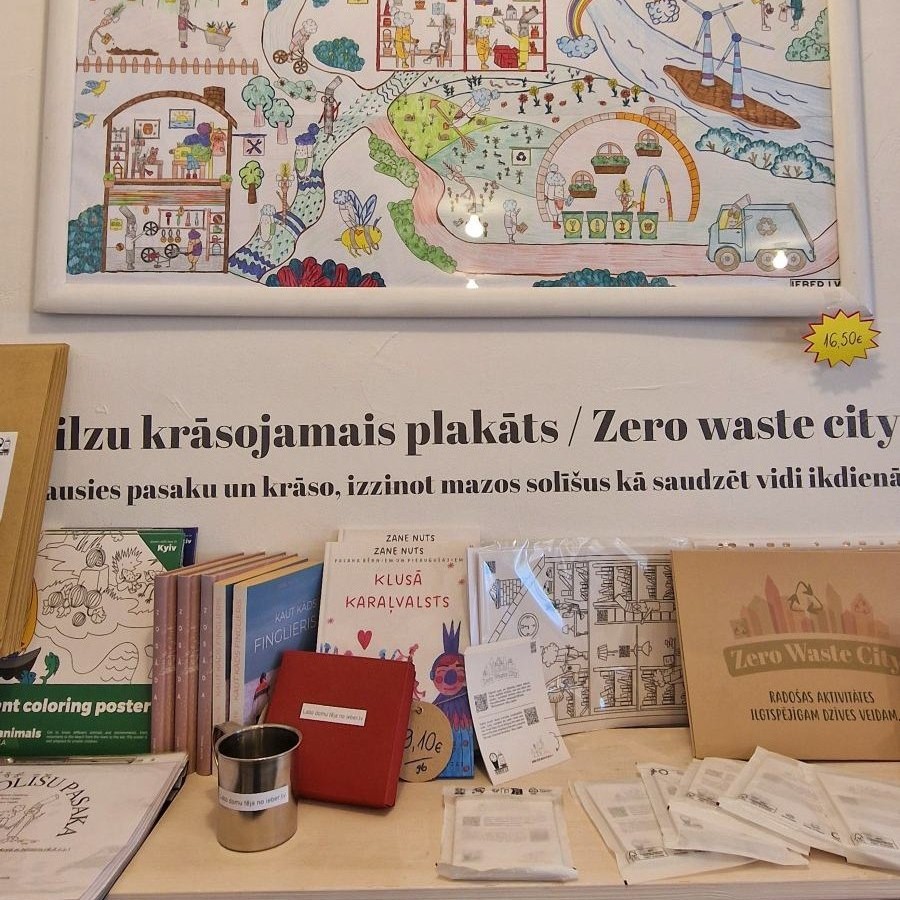
IEBER.LV offers healthy and environmentally responsible products and educates the public about sustainable living in Cēsis, Latvia. They offer natural food, personal care, and household products without unnecessary packaging. IEBER.LV prioritizes locally made products from the Cēsis region and Europe. They organize workshops, masterclasses, and seminars to teach practical daily habits for healthier and zero-waste lifestyles. IEBER.LV is a member of Latvijas Sociālās Uzņēmējdarbības Asociācija (LSUA) and Zero Waste Latvija.
Chișinău, Moldova
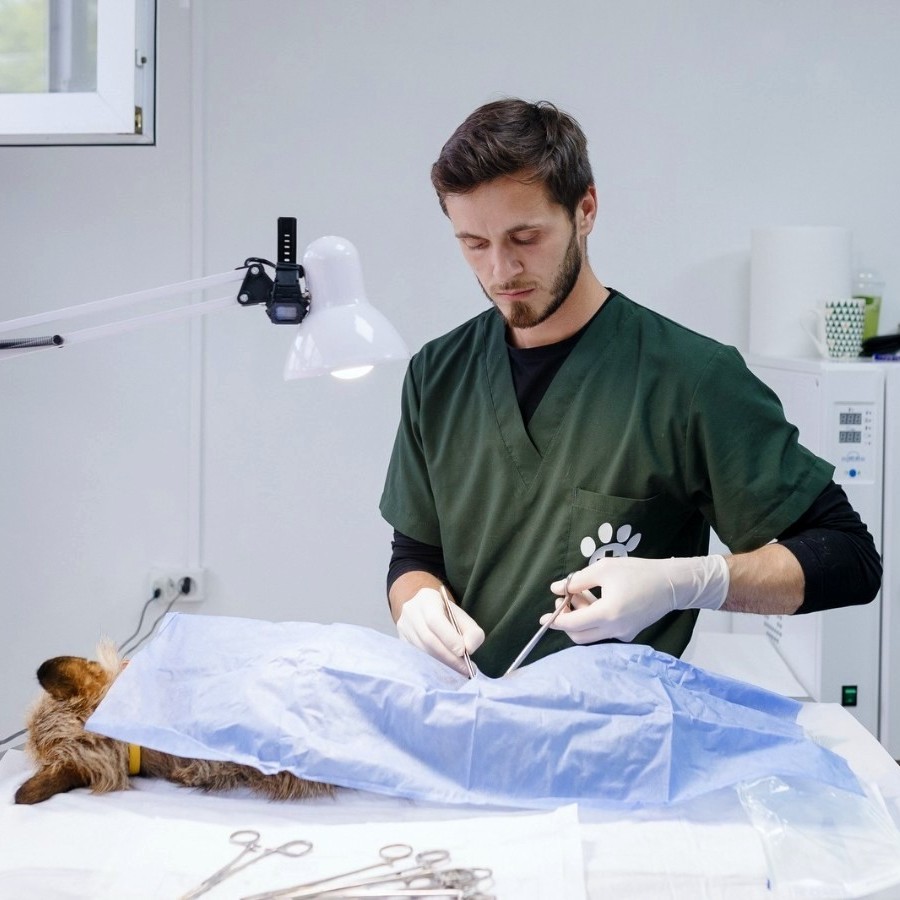
ALGA reduces the suffering of stray animals, prevents uncontrolled reproduction, and promotes responsible animal care in Moldova. They provide spaying, neutering, vaccination, deworming, antiparasitic treatment, and other veterinary care services. ALGA offers discounted or free services for seniors, people with disabilities, low-income families, and households caring for stray or rescued animals. They also organize pet food collection and distribution campaigns for vulnerable families and animal shelters. ALGA contributes to public health and community safety by preventing communicable diseases such as rabies. They are a not-for-profit organization and reinvest all surplus towards their mission.
Rīga, Latvia
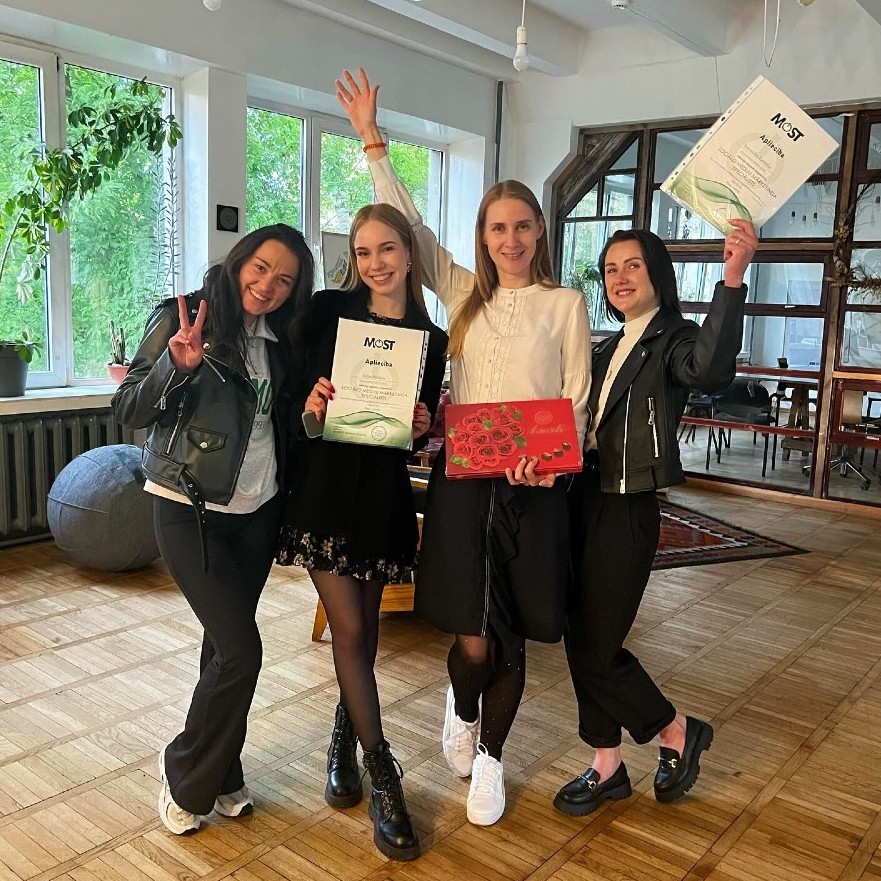
MOST Business School empowers adults with practical digital and business skills, makes quality education accessible to all, and drives positive social impact in Latvia and beyond. They offer online and in-person courses in digital marketing and sales, social media marketing, artificial intelligence, and other applied topics. MOST Business School provides sponsored training, career counseling, and psychological support for socially vulnerable groups, including people with disabilities, single parents, Ukrainian refugees, the long-term unemployed, and young people under 29 years old who are not working or studying. They are a member of Latvijas Sociālās Uzņēmējdarbības Asociācija (LSUA).
Tiranë, Albania
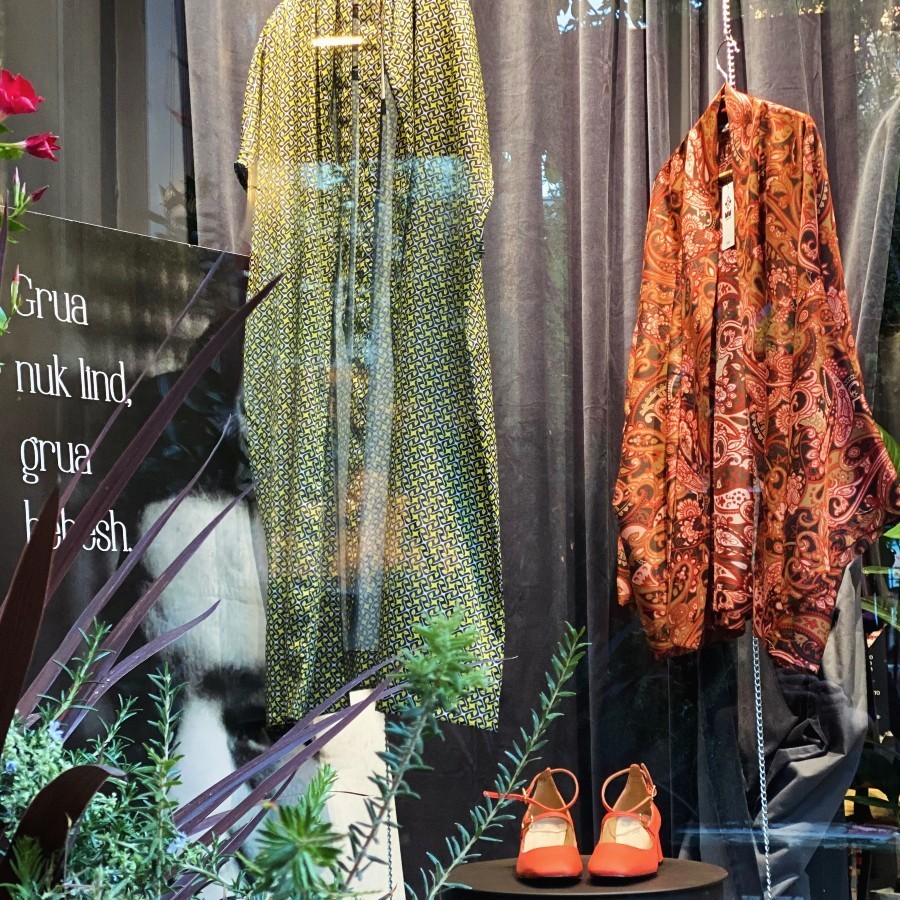
MM – A Modo Mio creates limited-edition clothing and accessories, reduces textile waste, and empowers vulnerable women in Tirana, Albania, through sustainable fashion and creative craftsmanship. Their A Modo Mio concept store offers locally designed and handmade alternatives to mass-produced and imported products. They prioritize small-batch production, textile reuse, and upcycling to minimize waste and extend the life of materials. MM provides training, employment, and a supportive space where women can develop skills, express their creativity, and build a safer and more independent future. They raise awareness and advocate for local production and responsible consumption. MM is an initiative of Forumi i Pavarur i Gruas Shqiptare, a not-for-profit organization.
Florida, Argentina
Meraki Consultoría helps organizations do business with purpose, scale their positive social and environmental impact, ensure diversity and violence-free spaces, and contribute to regenerative economies. They offer triple impact consulting, B Corp certification support, purposeful communication services, carbon footprint measurement and mitigation planning, and vocational training. Their Closing the Gap platform helps members manage justice, equity, diversity, and inclusion (JEDI) policies and initiatives. Meraki Consultoría offers pro bono and discounted support to social organizations that serve vulnerable communities. They are a certified B Corporation and a member of the Argentine Chamber of Triple Impact (CATIA).
Štip, North Macedonia
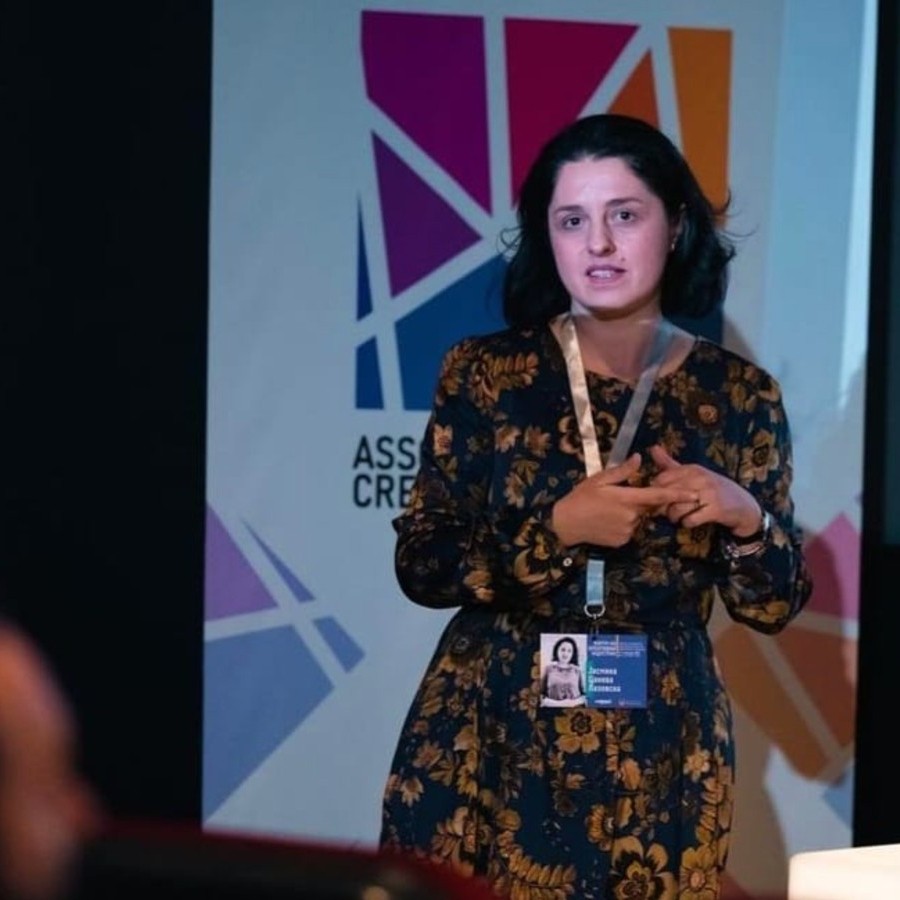
Lazovski provides accounting and financial services in North Macedonia and contributes to a sustainable and inclusive economy by supporting innovative young entrepreneurs. They offer online accounting, financial analysis and reporting, and tax advisory services to help businesses identify opportunities for growth and improvement and ensure compliance with all legal obligations. Lazovski uses their surplus to help young people transform creative ideas into sustainable businesses through free mentorship, business plan preparation, financial planning, budgeting, and accounting services during the first year of operations.
Rīga, Latvia
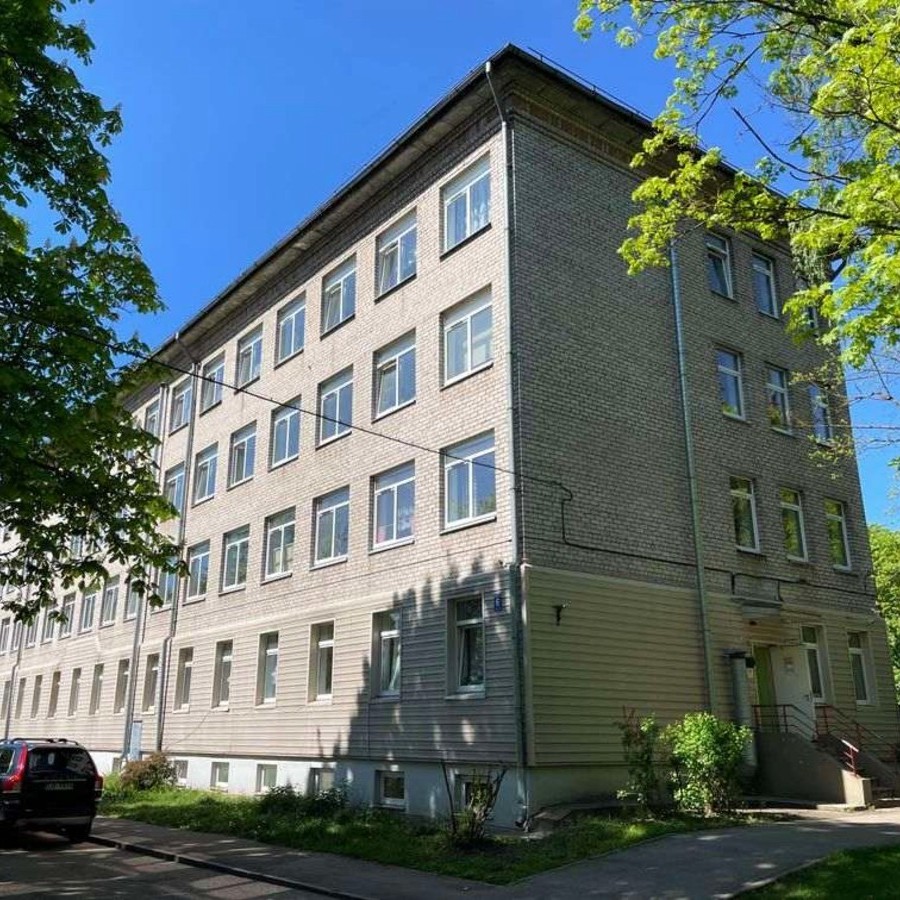
Dzīves Oāze provides social care and support services for vulnerable groups in Riga, Latvia, to improve quality of life, strengthen community wellbeing, and promote dignity, independence, and social inclusion. They offer a day care center for seniors and people with dementia, group apartments for people with mental disabilities, and family assistant services for families in crisis. Their approach focuses on tailored care solutions and creating a safe, community-based environment where people can develop daily skills, maintain social connections, and live more independent lives. Dzīves Oāze collaborates with municipalities and other partners and contributes to the development of inclusive social support systems to help ensure people in vulnerable situations receive the assistance they need. They are committed to operating responsibly, using resources efficiently, minimizing waste where possible, and maintaining sustainable facilities. Dzīves Oāze is a member of Latvijas Sociālās Uzņēmējdarbības Asociācija (LSUA).
Lindfield, New South Wales, Australia
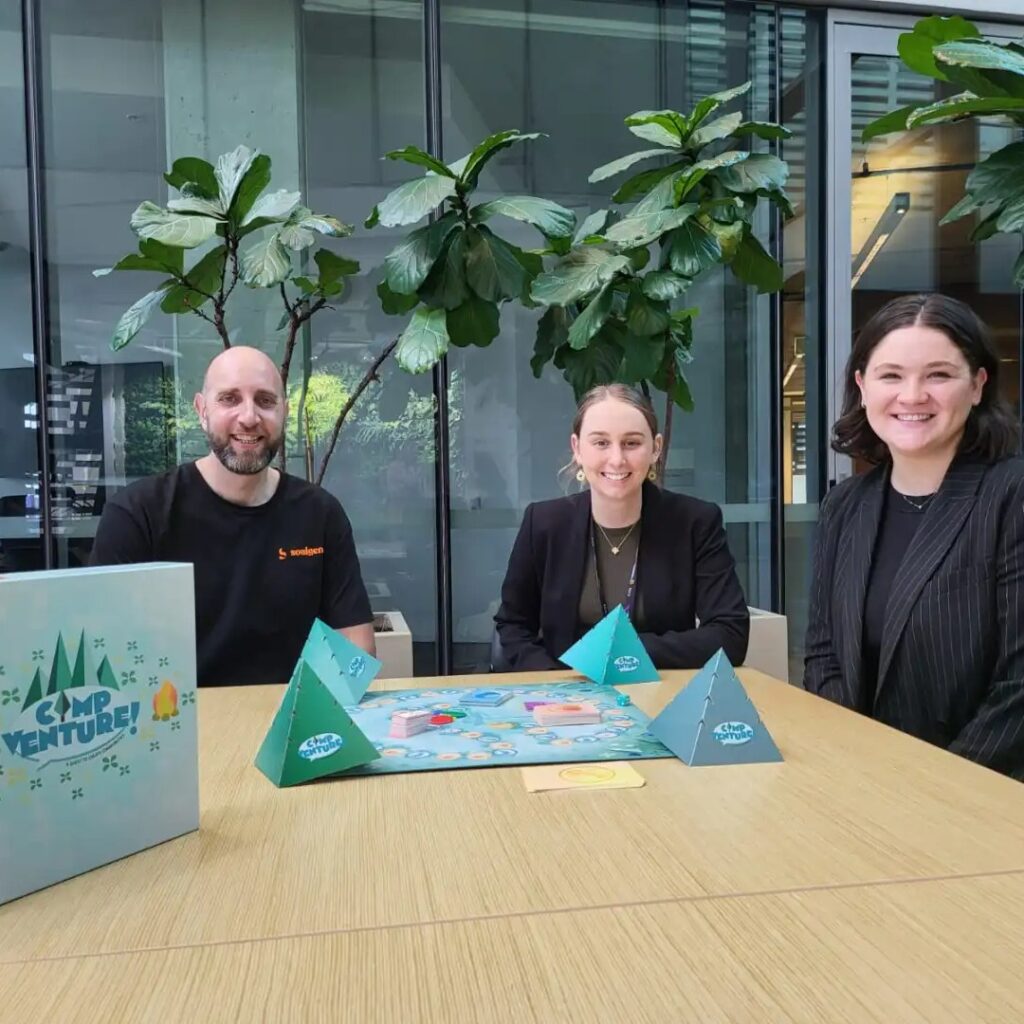
Soulgen creates the conditions for participation, belonging, and meaningful action through place-based, strengths-driven approaches. They specialize in gamified and experiential workshops, creative facilitation, community consultation, participatory processes, training, and capacity building. Soulgen supports young people, organizations, and communities to recognize what is already strong, build relationships, and activate shared leadership and community-led change. They use creative tools, like their Camp Venture board game, to bring people together through teamwork and play. Soulgen offers scholarships, subsidized learning opportunities, and community and grassroots pricing to reduce participation barriers for individuals and community groups with limited resources.
London, England, United Kingdom
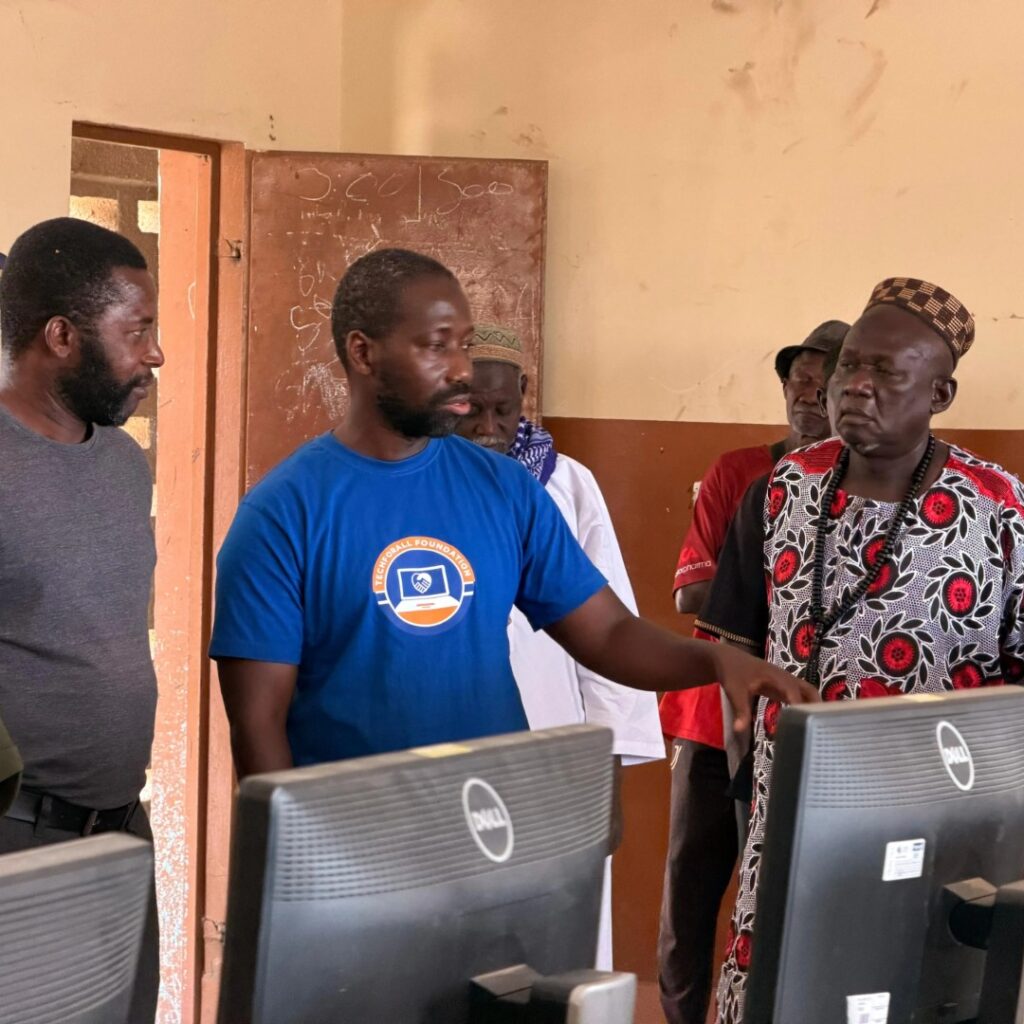
SecureBridge Solutions helps organizations protect their data, people, and reputation through practical, affordable information technology (IT) solutions and uses the proceeds to fund digital inclusion. They specialize in cybersecurity, managed IT support, cloud solutions, and digital transformation consulting for small businesses, charities, social enterprises, and community-focused organizations. SecureBridge Solutions uses digital-first workflows, remote collaboration tools, cloud-based systems, and efficient technology practices to reduce transport, energy consumption, and waste. They donate profits to TechforAll Foundation to support migrants and refugees in the United Kingdom and young people in The Gambia through digital training, employability support, mentoring into IT careers, and access to technology.
Pretoria, South Africa
VocalCord helps social enterprises, responsible businesses, and changemakers in South Africa build the public trust and narrative credibility they need to grow their impact. They specialize in public relations, reputation management, and strategic communication services. VocalCord reduces environmental impact through remote work, paper-free digital systems, and not taking clients in extractive, polluting, or environmentally harmful industries. They invest in mentoring, training, and empowering female entrepreneurs. VocalCord is a member of the Lionesses of Africa network.
Ambepussa, Sri Lanka
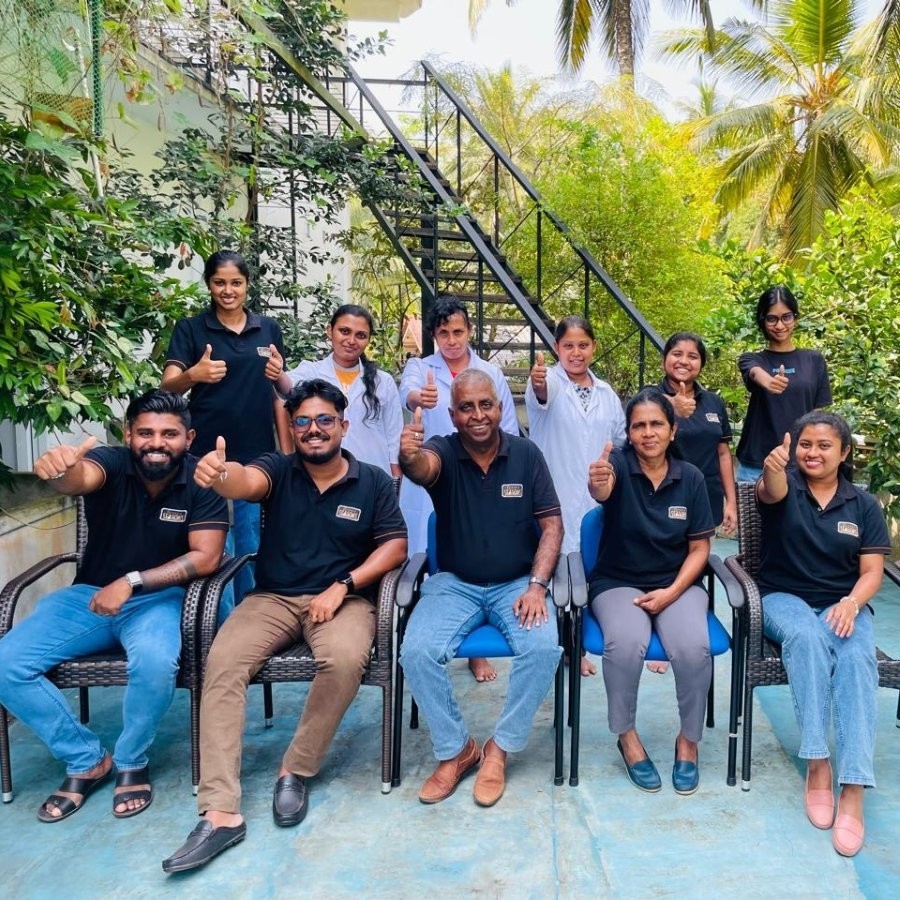
Splendid Seasons supplies healthy food products made with natural and organic ingredients and works with rural farmers to build a fair and sustainable food system in Sri Lanka. They produce herbal teas, wellness supplements, gluten-free pancake and roti mixes, sauces and condiments, dehydrated soups, vegetables, and fruit snacks, coffee, tea, bee honey, kithul treacle, coffee, tea, spices, heirloom rice, and other local products. Splendid Seasons sources directly from smallholder farmers who follow sustainable farming practices that maintain soil and ecosystem health. They use renewable solar energy, compost food waste to create organic fertilizer, and harvest rainwater for rooftop gardening. Splendid Seasons donates food and conducts workshops for children with special needs at Ape Lamai and Sathsewana Institute. They have European Union organic certification for food processing and export.
Buenos Aires, Argentina
Sumatoria expands access to financing for projects, small and medium enterprises (SMEs), cooperatives, and institutions in Argentina that generate positive social and environmental impact. They develop innovative financial instruments, such as impact funds and sustainable bonds, to channel investments into financial inclusion, circular economy, agroecology, renewable energy, local development, and social economy initiatives. Financing can be used for working capital and investment in fixed assets like machinery, buildings, and equipment. Sumatoria calculates personalized interest rates based on the project impact and applicant credit risk. They are a not-for-profit civil association and reinvest all surplus towards their mission.
Wadduwa, Sri Lanka
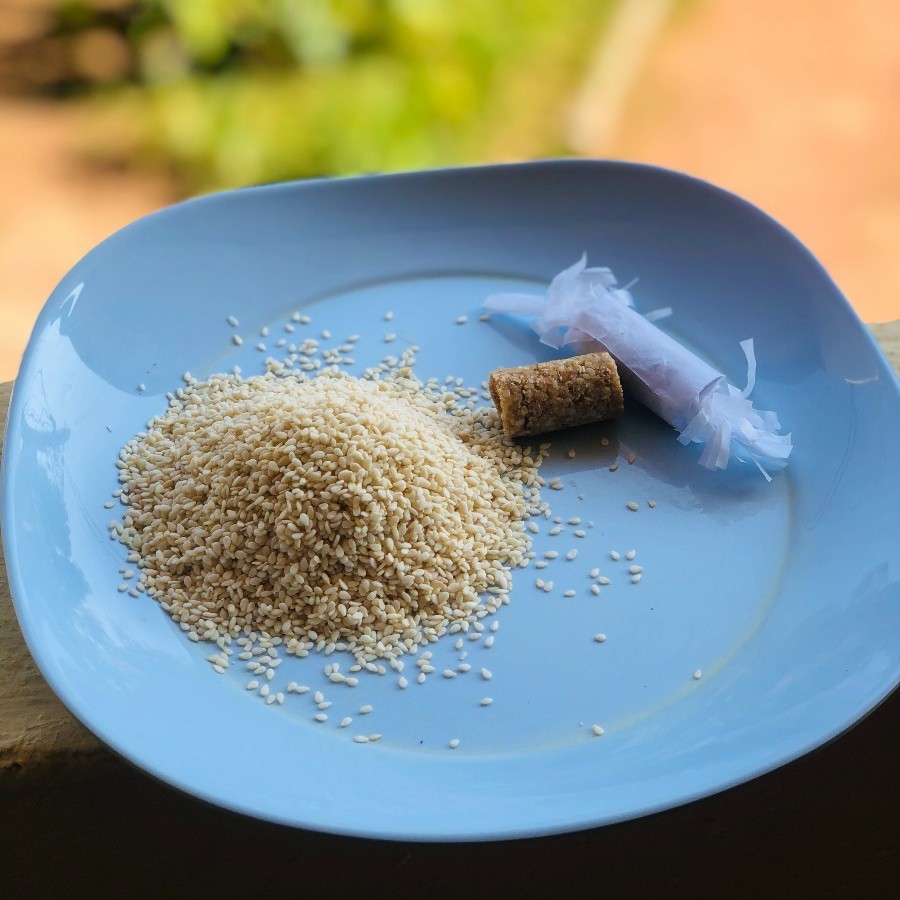
Tropicai offers Sri Lankan heritage foods, supports rural farming communities, and preserves traditional techniques. They specialize in kithul palm treacle, kithul jaggery, kithul flour, and other forest products from the Laxapana highlands, and kurakkan millet, lotus seeds, sesame seeds, and legumes from the Thanamalwila dry zone. Tropicai purchases directly from tappers, farmers, and small, village-level collectives to ensure above-farm-gate prices, a transparent pricing structure, and stable income for producers, while maintaining accessible prices for consumers. They prioritize producers who use traditional methods that are at risk of being abandoned due to industrialized farming.
Skuodas, Lithuania
SYVAS works to preserve traditional Baltic craftsmanship and promote cultural awareness and community spirit in Latvia. They offer handcrafted products, educational workshops, cultural activities, volunteering initiatives, and creative learning experiences as an alternative to mass-produced imported goods and commercial entertainment. SYVAS prioritizes natural materials like wool, linen, cotton, and wood, encourages sustainable living, supports local creators, and strengthens intergenerational connections within the community. They are a member of Latvijas Sociālās Uzņēmējdarbības Asociācija (LSUA).
Rosario, Argentina
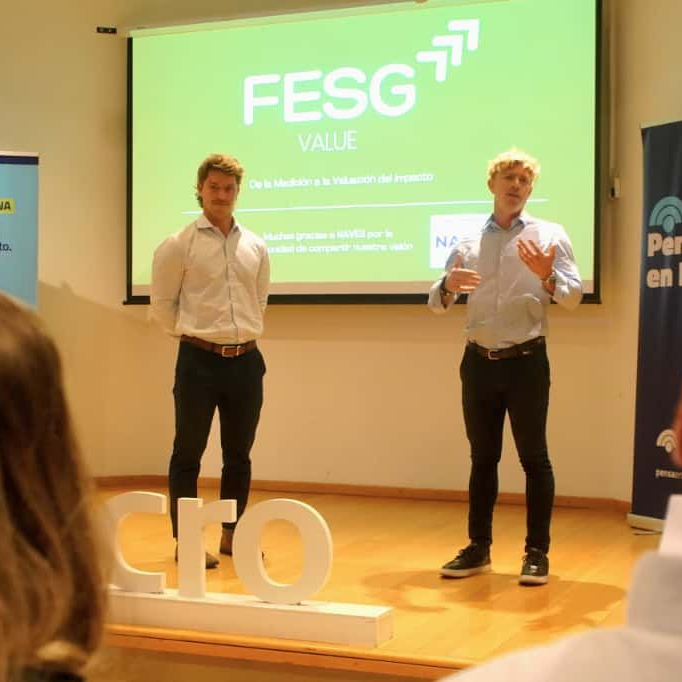
F+ESG Value translates environmental, social, and governance (ESG) metrics into dollars so that companies, funds, and financial institutions can make better business decisions, allocate capital where it generates real value, and reduce greenwashing. Their impact valuation and ESG management software closes the gap between the language of impact and the language of economic decisions. F+ESG Value brings institutional-grade impact valuation methodologies to Latin America at accessible prices and adapted to the regional context. They engage with the local impact and entrepreneurship community through university partnerships, competitions, mentorship programs, and knowledge-sharing events focused on sustainable finance and ESG.
Polgasowita, Sri Lanka
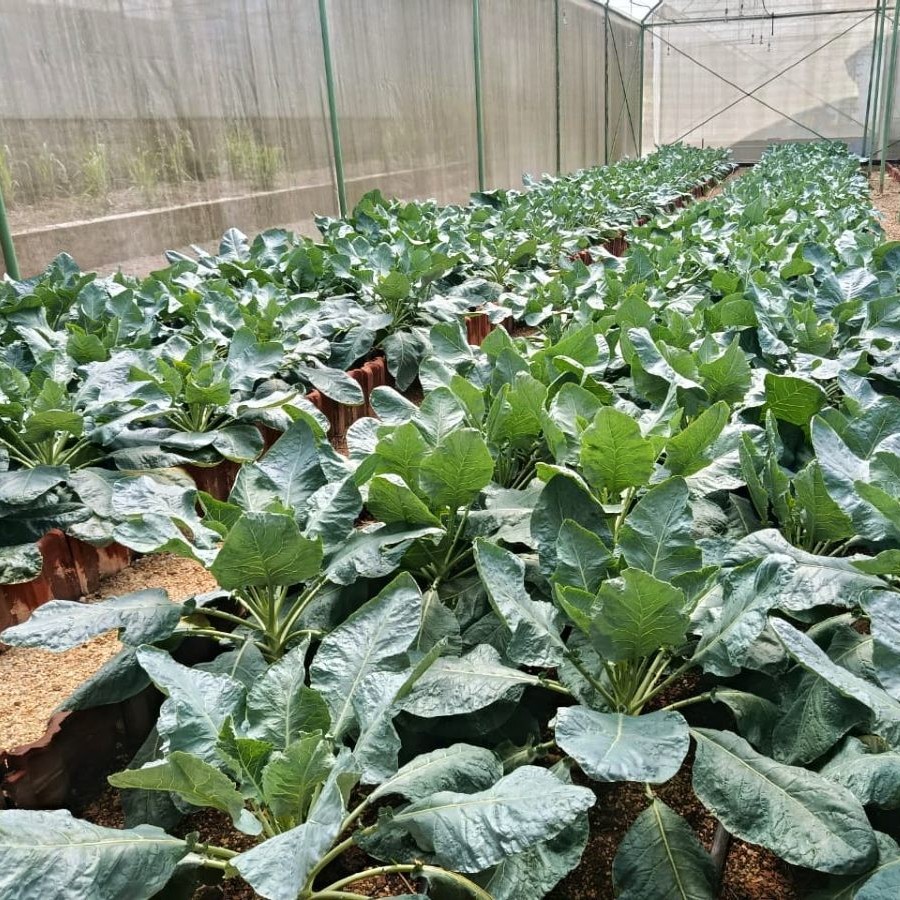
Macksons Agro produces nutritious, agrichemical-free food for Sri Lankan consumers, creates dignified rural livelihoods, and promotes soil regeneration and environmentally responsible practices. They grow fresh vegetables and fruits using organic compost, cow dung, neem-based natural pest repellents, biochar, and mulching. Macksons Agro makes healthy, natural food accessible to a wider demographic by cutting out middlemen and optimizing their supply chain. They share information on biofertilizers, natural pest management, and regenerative farming techniques with local home gardeners and farmers, distribute surplus harvest to low-income families, and donate to local temple functions and community events.
Boralesgamuwa, Sri Lanka
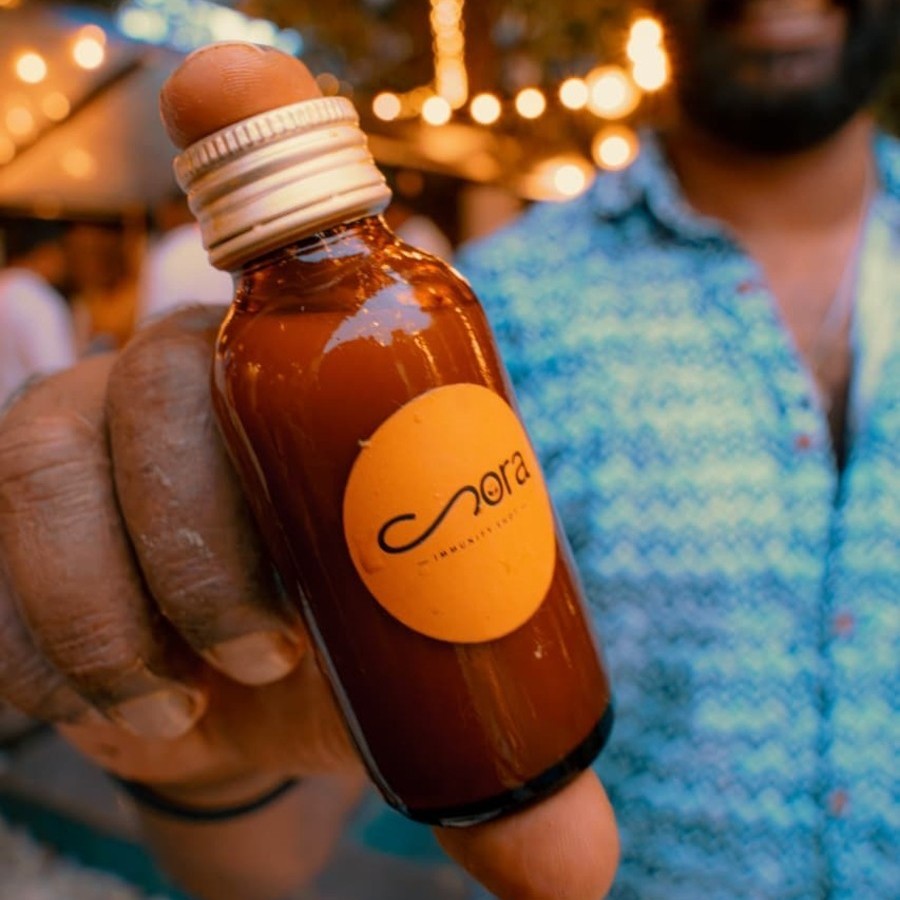
CeyAura creates functional wellness products that fit into modern lifestyles, uses locally sourced ingredients, and supports sustainable rural livelihoods in Sri Lanka. Their flagship product, SŌRA, is a daily immunity booster shot made with natural ingredients that have long been part of Sri Lankan food and wellness culture, such as ginger, turmeric, lime, curry leaves, amla, and honey. CeyAura Wellness is committed to strengthening relationships with local producers and contributing to small-scale agriculture and community livelihoods. Products are packaged in reusable and recyclable glass bottles to reduce single-use plastic and landfill waste.
Junín, Argentina
EcoPellets & Chips Group transforms agricultural waste into sustainable energy solutions in Mendoza, Argentina, and promotes the circular economy in agro-industrial processes. They are developing solid biofuels for industrial thermal use from vineyard and orchard prunings and other agricultural waste.
Thurgoona, New South Wales, Australia
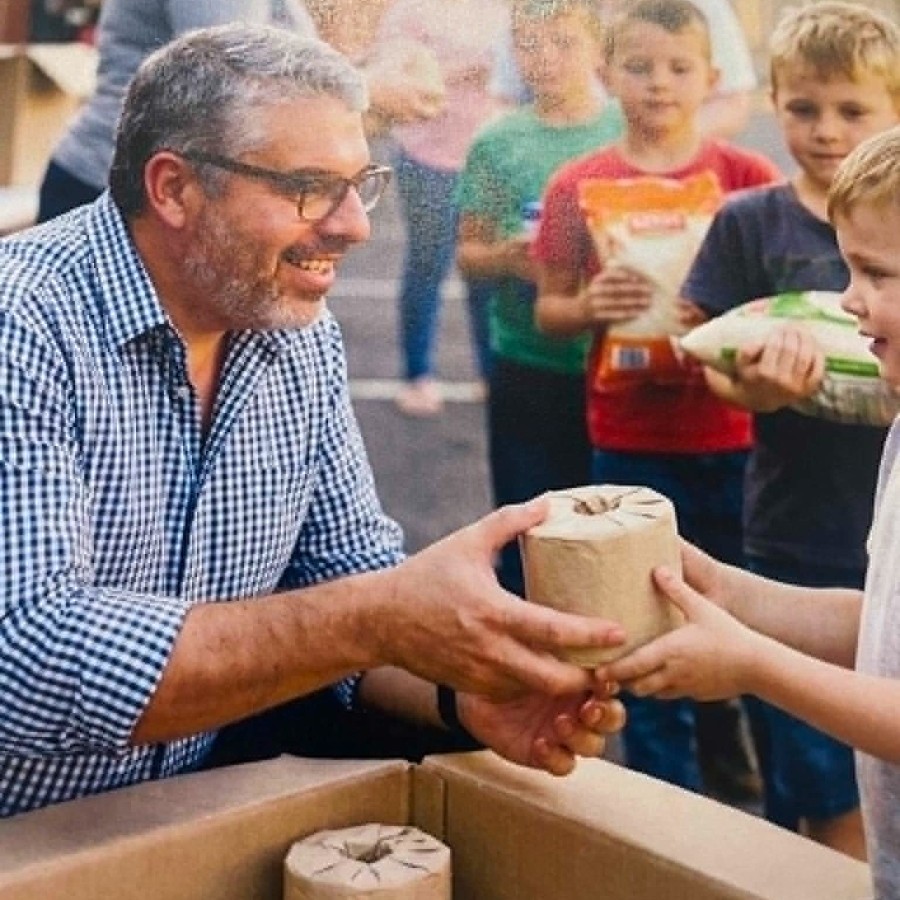
100% Collective transforms everyday essentials into a powerful force for good in Australia. They specialize in bulk procurement, packaging, and distribution of premium household products made from responsibly sourced Forest Stewardship Council certified paper and delivered in plastic-free, zero-waste bulk packaging. 100% Collective donates all profits to grassroots charities delivering community relief and dignity programs such as domestic violence support, crisis accommodation, youth mentorship, financial hardship relief, and mental health advocacy.
Sri Jayawardenepura Kotte, Sri Lanka
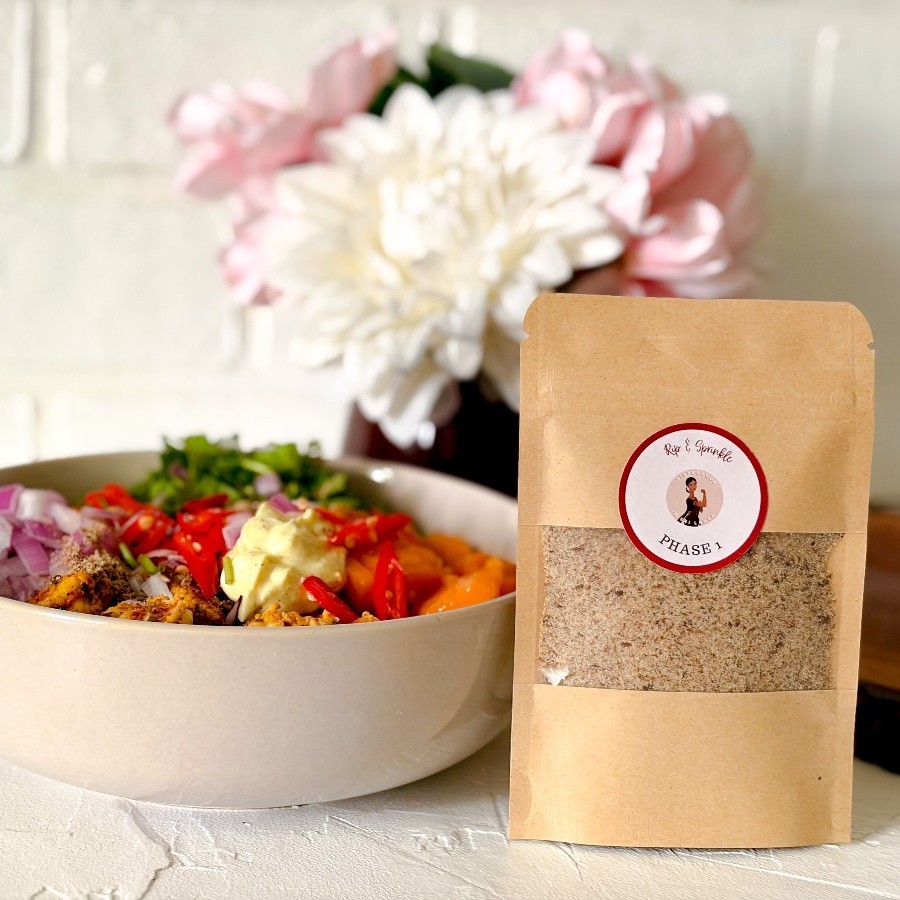
The Sisterhood Company helps women in Sri Lanka live better lives through hormone-balancing food supplements that fit into daily routines. Their Hormone Harmony seed cycling box contains portioned sachets of two different seed blends for different phases of the menstrual cycle. The blends contain a mix of ground flax, pumpkin, sesame, and sunflower seeds and can be sprinkled on everything from salads to smoothies to support estrogen balance and progesterone production, prepare the body for ovulation, and ease luteal phase symptoms. The Sisterhood Company raises awareness about hormonal imbalances and menstrual challenges, promotes healthy lifestyles, and supports women with Polyendocrine Metabolic Ovarian Syndrome (PMOS).
Yerba Buena, Argentina
Melius Triple Impacto helps businesses in Argentina integrate triple impact models in order to build a better world and contribute to more inclusive and regenerative economies. They facilitate the design of business models and sustainability plans, as well as their implementation, measurement, reporting, and certification.
Colombo, Sri Lanka
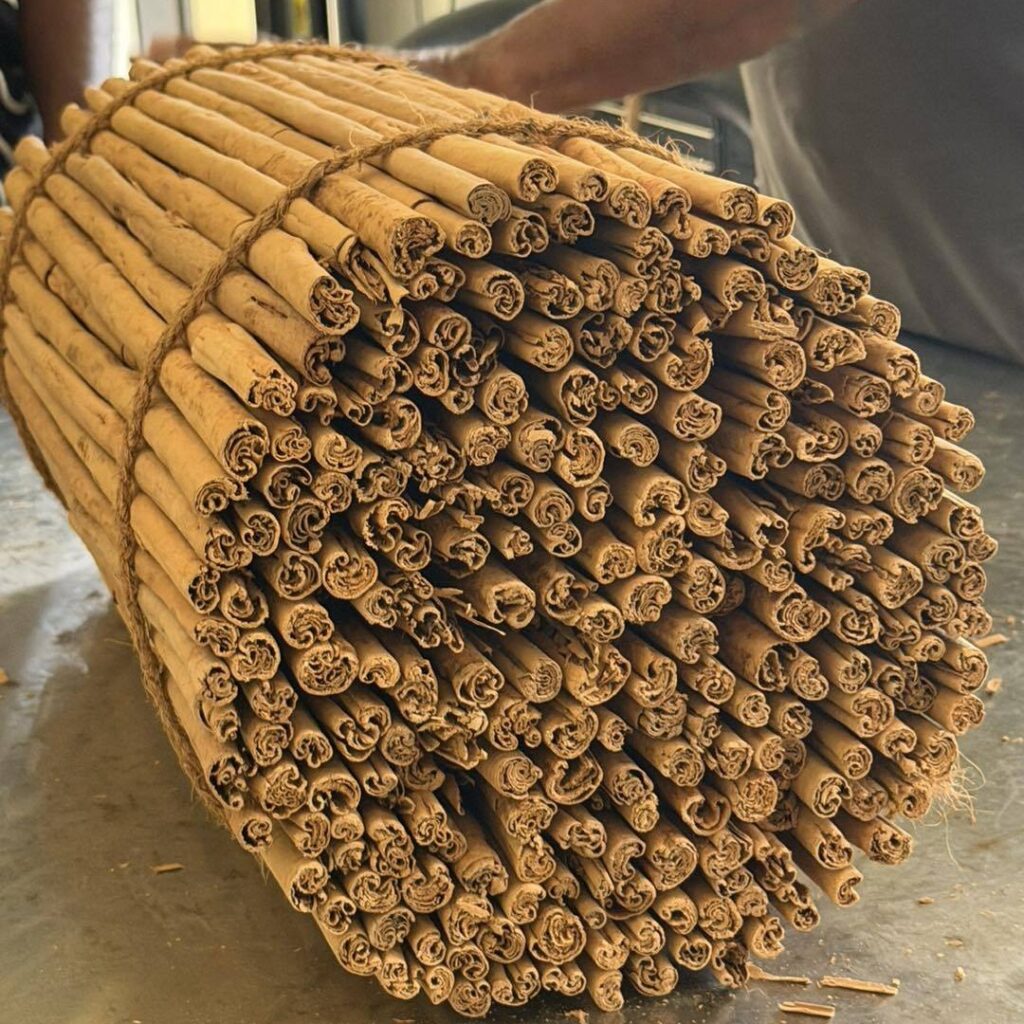
Divra offers Sri Lankan spices, supports rural livelihoods, and promotes environmentally responsible practices. They offer pure Ceylon cinnamon, whole spices, spice blends, and essential oils. Divra sources directly from small-scale farmers and cooperatives in Galle, Ratnapura, and Kandy that use traditional low-impact growing methods with no agrichemicals. They prioritize regenerative practices and soil health. Divra ensures fair, above-market rates and direct and timely payments.
Brodets, North Macedonia
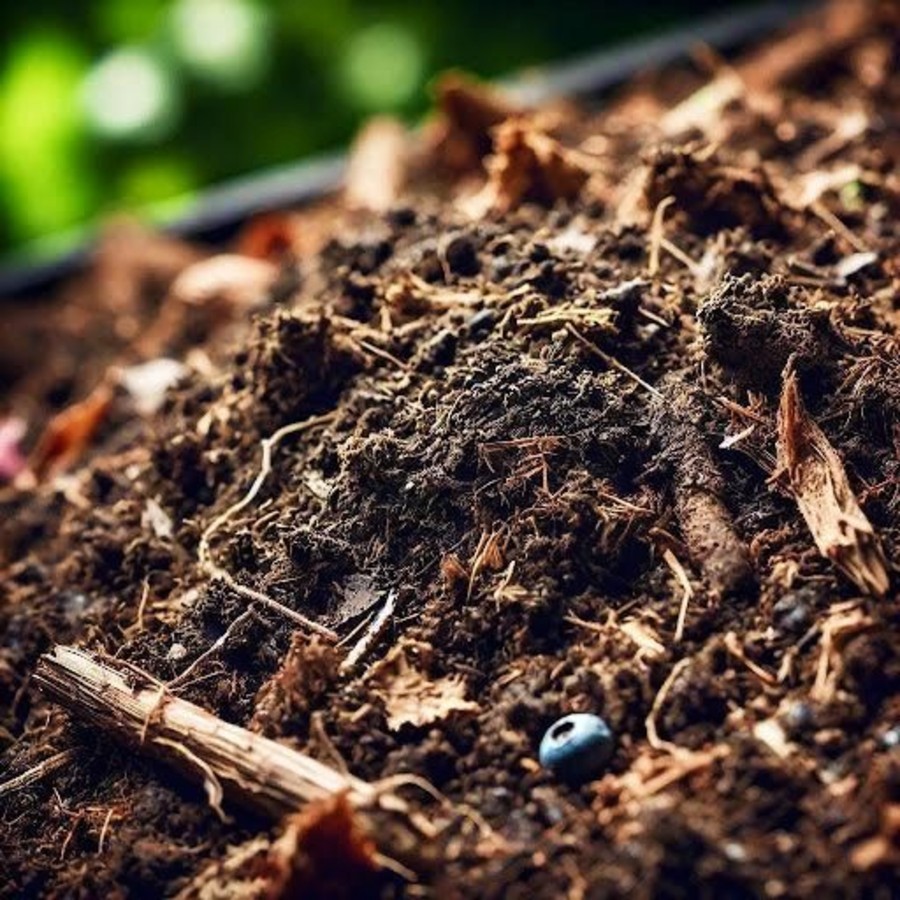
Fungi Mak produces mushrooms in the Skopska Crna Gora mountains in North Macedonia. They specialize in champignon and shiitake for the local market. Fungi Mak uses waste materials such as wheat straw, manure, and sawdust, and composts spent mushroom substrate to contribute to a circular local economy.
Boralesgamuwa, Sri Lanka
Luna Collection offers healthy food products in Sri Lanka from natural, locally sourced ingredients. They produce thala karali sweets, coconut cookies, and neeramulliya herbal tea. Luna Collection uses coconut, cocoa nibs, cashew, sesame, and kithul jaggery from Good Market Approved enterprises, local cane sugar from Sevanagala, and neeramulliya from a nearby nun. They segregate, compost, and recycle their production waste. Luna Collection donates clothing, school supplies, and other essential items to families in need in the Maliboda area.
Know an initiative that’s good for people and good for the planet? Encourage them to get involved! www.goodmarket.global/apply.